
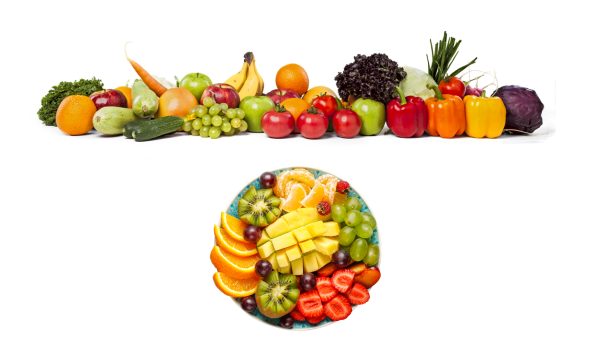
Fruits are often one of the simplest and most accessible ways to improve your diet, yet they are sometimes overlooked or replaced by processed alternatives. Naturally sweet, colorful, and rich in nutrients, fruits provide a wide range of benefits that support overall health.
Incorporating fruits into your daily meals does more than just add variety. They supply essential vitamins, minerals, fiber, and antioxidants that help the body function efficiently. Whether eaten fresh, blended into smoothies, or added to meals, fruits can play a key role in building a balanced and sustainable diet.
Understanding why fruits are essential for a healthy diet can help you make better food choices and support long-term wellness.
Nutritional Value Of Fruits
Fruits are packed with nutrients that contribute to overall health and well-being.
rich in vitamins and minerals
Many fruits are excellent sources of essential vitamins such as vitamin C, vitamin A, and various B vitamins. They also provide important minerals that support bodily functions.
For example, citrus fruits are known for their vitamin C content, while bananas provide potassium that supports muscle and nerve function.
high in antioxidants
Fruits contain antioxidants that help protect cells from damage caused by oxidative stress. These compounds play a role in maintaining long-term health.
Colorful fruits such as berries often contain a variety of beneficial antioxidants.
How Fruits Support Digestive Health
Fruits are an important source of dietary fiber, which supports the digestive system.
promoting regular digestion
Fiber helps maintain regular bowel movements and supports gut health. This contributes to overall digestive comfort.
Including fruits in your diet can help improve digestive balance.
supporting the gut microbiome
Fiber from fruits provides nourishment for beneficial bacteria in the gut. A healthy gut microbiome supports digestion and overall health.
Fruits And Energy Levels
Fruits can provide a natural and effective source of energy.
natural sugars for quick energy
Fruits contain natural sugars that provide a quick source of energy. Unlike processed sugars, they are accompanied by fiber and nutrients that help regulate energy release.
sustained energy with fiber
The fiber in fruits slows the absorption of sugars, helping to maintain stable energy levels.
This combination supports consistent energy throughout the day.
The Role Of Fruits In Immune Health
Fruits contribute to a strong and well-functioning immune system.
supporting immune function
Vitamins and antioxidants found in fruits help support the body’s natural defense systems.
Regular consumption of fruits can contribute to overall immune health.
reducing oxidative stress
Antioxidants help reduce cellular stress, which supports long-term wellness.
This protection is important for maintaining overall health.
Fruits And Weight Management
Fruits can be a valuable part of a balanced approach to weight management.
low in calorie density
Many fruits provide nutrients while being relatively low in calories. This makes them a satisfying option for meals and snacks.
supporting satiety
The combination of fiber and water content helps promote fullness, reducing the likelihood of overeating.
Including fruits in meals can help maintain balance.
How To Include More Fruits In Your Diet
Adding fruits to your daily routine can be simple and enjoyable.
start with breakfast
Including fruits in breakfast meals such as oatmeal or yogurt can increase nutrient intake.
use fruits as snacks
Fruits are convenient and easy to carry, making them a great snack option.
add to meals
Fruits can be incorporated into salads, smoothies, or even savory dishes to enhance flavor and nutrition.
Common Misconceptions About Fruits
Despite their benefits, there are some misunderstandings about fruit consumption.
concerns about sugar content
Some people avoid fruits due to their natural sugar content. However, the fiber and nutrients in fruits help regulate sugar absorption.
Whole fruits are different from processed sugary foods.
fruit juice vs whole fruit
Fruit juice often lacks fiber and may contain concentrated sugars. Whole fruits provide more balanced nutrition.
Choosing whole fruits is generally a better option.
Choosing And Storing Fruits
Proper selection and storage can help maintain the quality of fruits.
choose fresh and seasonal options
Fresh, seasonal fruits often provide better flavor and nutritional value.
store properly
Different fruits require different storage methods. Keeping them in the right conditions helps preserve freshness.
Conclusion
Fruits are an essential part of a healthy diet, providing vitamins, minerals, fiber, and antioxidants that support overall health. From improving digestion to supporting immune function and energy levels, their benefits are wide-ranging.
Incorporating a variety of fruits into your daily meals is a simple and effective way to improve nutrition. By choosing whole fruits and including them regularly, you can build a more balanced and sustainable diet.
Start adding more fruits to your meals today and explore more nutrition insights on Health365s to continue building a healthier lifestyle.

.png)

















.png)
.png)
.png)
.png)

.png)
.png)
.png)
.png)
.png)
.png)
.png)
.png)
.png)
.png)




.png)
.png)
.png)
.png)
.png)
.png)