
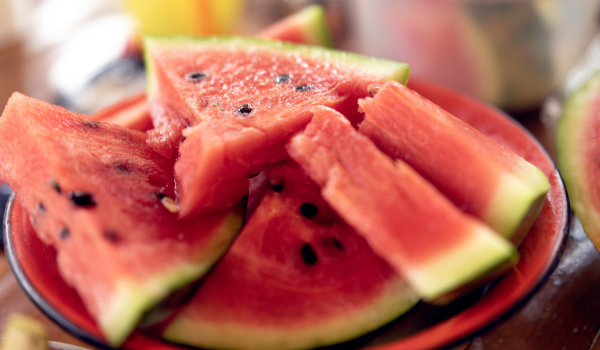
Choosing a sweet, juicy watermelon can feel like guesswork, but several simple signs can help you make a better choice. Experts recommend checking the fruit’s shape, color, field spot, weight, sound, and overall condition before buying.
Because watermelon does not continue to ripen after it is picked, selecting the right one at the store is important. Here are eight practical tips to help you find a ripe and flavorful watermelon.
1. Choose A Uniform Shape
A good watermelon should look symmetrical and evenly developed.
Avoid fruit with unusual bulges, flat areas, or uneven ends because irregular growth may affect the texture and flavor inside.
What To Look For
Choose a watermelon that is:
- Round or evenly oval
- Full at both ends
- Symmetrical
- Free from unusual lumps
The rind should also feel firm. A soft surface may indicate that the fruit is overripe or beginning to spoil.
Check The Stem
A dry, slightly brown stem may suggest that the watermelon had enough time to mature before it was picked.
A fresh green stem can sometimes indicate that the fruit was harvested too early.
2. Look At The Rind Color
The outside color of a watermelon can provide useful clues about ripeness.
Choose A Dull Rind
A ripe watermelon usually has a dull or matte-looking surface.
A very shiny rind may suggest that the fruit was picked before it fully matured.
Look For Even Coloring
The green color should appear relatively consistent across the rind, except for the field spot.
Uneven coloring may indicate inconsistent growth or ripening.
Do Not Judge The Flesh By Color Alone
Pale pink watermelon flesh can still taste sweet. The red color comes mainly from lycopene, an antioxidant that does not determine sweetness.
Taste and texture are more important than color alone.
3. Check For Webbing And Sugar Spots
Dark, vein-like marks or rough brown webbing on the rind may be a positive sign.
These marks can develop where sugar has moved toward the surface of the fruit.
What It May Mean
A watermelon with noticeable webbing or sugar spots may be sweeter than one with a completely smooth rind.
However, these markings should not be confused with mold, deep cracks, or damaged areas.
4. Find A Butter-Yellow Field Spot
The field spot is the area where the watermelon rested on the ground while growing.
Its color can tell you how long the fruit remained on the vine.
Best Color
Look for a large spot that is creamy yellow or butter yellow.
This usually suggests that the watermelon had enough time to ripen naturally.
Colors To Avoid
- A white or very pale field spot may indicate underripeness.
- A very dark orange spot may suggest that the fruit is overripe.
A larger yellow field spot is often better than a small, white one.
5. Tap The Watermelon
Tapping the rind is a traditional way to check a watermelon, although it takes some practice.
Use your knuckles to tap different areas and listen carefully.
What The Sound May Mean
- A deep, full sound may indicate a ripe and juicy watermelon.
- A high-pitched sound may suggest thick rind or underripeness.
- A dull or very hollow sound may indicate that the fruit has lost moisture or become overripe.
Use this method together with other signs rather than relying on sound alone.
6. Try A Gentle Scratch Test
Lightly scratching the outer rind may help reveal ripeness.
On a ripe watermelon, the very outer layer may come away more easily, showing a lighter green or greenish-white layer underneath.
An underripe watermelon may leave a darker mark.
Use A Light Touch
Do not dig deeply into the rind or damage the fruit. A gentle scratch is enough to check the surface.
7. Choose The Heaviest One For Its Size
Watermelons are mostly water, so a ripe and juicy fruit should feel heavy compared with others of a similar size.
Pick up several watermelons and compare them.
Why Weight Matters
A heavier watermelon usually contains more water and may have a juicier texture.
The best choice should feel heavier than it looks without having soft spots or damage.
Typical Sizes
Watermelon size varies by type:
- Mini watermelons may weigh around 7 pounds.
- Yellow watermelons may weigh up to 30 pounds.
- Large seeded varieties may weigh up to 45 pounds.
Compare watermelons of the same variety and similar size for the most accurate result.
8. Avoid Bruised Or Damaged Fruit
Inspect the entire watermelon before placing it in your cart.
Damage can allow bacteria to enter or may be a sign that the fruit is beginning to spoil.
Avoid Watermelons With
- Bruises
- Deep cuts
- Cracks
- Soft spots
- Dents
- Large bumps
- Leaking areas
- Signs of mold
Small surface scratches may be harmless, but deeper damage should be avoided.
Why Watermelon Is Good For You
Watermelon is refreshing, hydrating, and rich in several important nutrients.
High Water Content
Watermelon is about 92% water, making it a helpful fruit for hydration during hot weather.
Lycopene
Lycopene is the antioxidant responsible for the fruit’s red color. It may support heart health and help protect cells from oxidative stress.
Vitamin C
Vitamin C supports immune function, collagen production, and skin health.
Potassium
Potassium contributes to normal blood pressure, muscle function, and nerve signaling.
Watermelon is also naturally low in calories, making it an easy addition to many balanced diets.
Healthy Ways To Eat Watermelon
Watermelon can be enjoyed on its own or added to meals and snacks.
Frozen Watermelon Drink
Blend frozen watermelon with fresh lime juice for a cold, refreshing drink.
Seasoned Watermelon
Cut the fruit into cubes or wedges and add a small amount of Tajín or another mild seasoning.
Watermelon Popsicles
Blend watermelon, pour it into popsicle molds, and freeze.
Watermelon Salad
Combine watermelon with feta cheese, fresh mint, olive oil, and balsamic vinegar.
Watermelon Salsa
Mix diced watermelon with red onion, jalapeño, cilantro, and lime juice.
Smoothie Addition
Add frozen watermelon to smoothies for natural sweetness and hydration.
Can You Eat The Seeds And Rind?
Many people throw away the seeds and rind, but both can be used.
Watermelon Seeds
Dried watermelon seeds provide protein and can be roasted as a snack.
Watermelon Rind
The pale part of the rind can be pickled, blended into recipes, or added to stir-fries.
Using more of the fruit can also help reduce food waste.
How To Store Watermelon
Whole and cut watermelon require different storage methods.
Whole Watermelon
Store an uncut watermelon in a cool, dry place. Once ripe, it can also be refrigerated to keep it fresh longer.
Cut Watermelon
Cover cut pieces tightly or store them in an airtight container in the refrigerator.
For the best quality, eat refrigerated watermelon within several days.
Final Thoughts
The best watermelon is usually symmetrical, firm, dull rather than shiny, and heavy for its size. A butter-yellow field spot, dry stem, deep sound, and light webbing may also suggest good ripeness and sweetness.
No single test is perfect, so use several signs together. Checking the shape, weight, field spot, rind, and overall condition gives you the best chance of bringing home a sweet and juicy watermelon.

.png)



.png)
.png)
.png)
.png)
.png)
.png)
.png)
.png)
.png)
.png)
.png)
.png)
.png)
.png)



.png)
.png)
.png)
.png)

