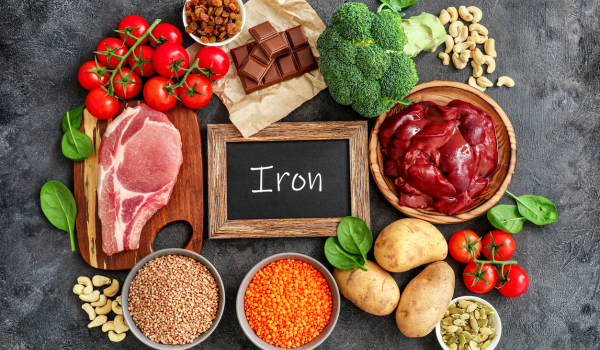
Red meat is often considered one of the best dietary sources of iron, but it isn't the only option. Several animal-based and plant-based foods can provide even more iron per serving than certain cuts of beef. From nutrient-dense organ meats and seafood to legumes, vegetables, and dark chocolate, these foods can help you meet your daily iron needs.
Here are seven iron-rich foods worth adding to your diet, along with practical tips for improving iron absorption.
1. Chicken Liver
Iron Content: 9.86 milligrams (mg), approximately 55% of the Daily Value (DV)
Serving Size: 3 ounces (oz)
Chicken liver is an exceptionally rich source of iron, delivering a substantial amount in a relatively small serving. It also provides high-quality protein, vitamin A, vitamin B12, and other essential nutrients that support overall health.
Like other animal-based foods, chicken liver contains heme iron, a form that the body generally absorbs more efficiently than the non-heme iron found in plant foods.
Heme iron is typically absorbed at a higher rate, making chicken liver a useful dietary option for individuals looking to increase their iron intake.
However, because liver is particularly high in preformed vitamin A, it should be eaten in moderation. Pregnant individuals should seek medical guidance before including liver in their diets.
2. Oysters
Iron Content: Approximately 8 mg, 44% of the DV
Serving Size: 3 oz
Oysters are another excellent source of highly absorbable heme iron. A single serving can provide nearly half of the recommended Daily Value, making them a nutrient-dense alternative to red meat.
Beyond iron, oysters contain zinc, vitamin B12, selenium, and protein. These nutrients contribute to immune function, healthy blood cell production, and normal metabolic processes.
Including properly cooked oysters in a balanced diet may help people with increased iron requirements, including individuals who experience heavy menstrual bleeding.
Although raw oysters are popular, they can carry harmful microorganisms, including Vibrio bacteria. Cooking oysters thoroughly helps reduce the risk of foodborne illness.
3. Lentils
Iron Content: Approximately 6 mg, 34% of the DV
Serving Size: 1 cup, cooked
Lentils are among the most practical plant-based sources of iron. A cup of cooked lentils can provide more iron than a typical serving of some cuts of beef, although the amount absorbed by the body differs.
Unlike animal products, lentils contain non-heme iron, which is generally absorbed less efficiently. Nevertheless, their substantial iron content makes them particularly valuable for vegetarian and vegan diets.
Lentils also supply dietary fiber, plant protein, folate, and other important nutrients that support digestive and cardiovascular health.
They are easy to incorporate into everyday meals, including soups, curries, salads, stews, and homemade plant-based burgers.
Pairing lentils with vitamin C-rich vegetables, such as tomatoes or bell peppers, can help the body absorb more of their iron.
4. Tofu
Iron Content: Approximately 6 mg, 34% of the DV
Serving Size: 1 cup
Tofu is a versatile soy-based food that provides plant protein and a meaningful amount of non-heme iron. Depending on how it is prepared, a serving of tofu may contain considerably more iron than a comparable serving of certain beef cuts.
Because tofu is made from soybeans, it also supplies essential amino acids and several important minerals. Some varieties contain additional calcium, depending on the coagulants used during production.
Tofu is especially useful for people who avoid meat but still want to maintain adequate protein and iron intake.
It can be stir-fried, baked, grilled, or added to soups and noodle dishes. Silken tofu also works well in smoothies, sauces, and desserts.
The exact iron content varies by brand and preparation method, so checking nutrition labels can help you choose products with higher iron levels.
5. Spinach
Iron Content: Approximately 6 mg, 34% of the DV
Serving Size: 1 cup, cooked
Spinach is widely recognized for its iron content and can make a useful contribution to daily mineral intake, particularly when eaten cooked.
Cooking reduces the volume of spinach, allowing you to consume more leaves in a single serving. As a result, a cup of cooked spinach contains substantially more iron than a cup of raw spinach.
In addition to iron, spinach provides folate, vitamin K, vitamin A precursors, and antioxidants that contribute to overall nutritional health.
However, spinach contains oxalates, naturally occurring compounds that can limit iron absorption. Therefore, its total iron content does not necessarily reflect how much iron the body can use.
Adding lemon juice or serving spinach alongside vitamin C-rich foods may help improve non-heme iron absorption.
Spinach can be enjoyed in sautéed vegetable dishes, soups, omelets, pasta, and grain bowls.
6. Dark Chocolate (45%–69% Cacao)
Iron Content: Approximately 4 mg, 22% of the DV
Serving Size: 2 oz
Dark chocolate may not be the first food that comes to mind when thinking about iron, but it can provide a surprisingly meaningful amount of this essential mineral.
Cocoa naturally contains iron, and chocolate products with higher cocoa concentrations generally offer more iron than varieties made with less cocoa.
Dark chocolate also contains magnesium, copper, and naturally occurring plant compounds known as polyphenols.
Although it can contribute to dietary iron intake, dark chocolate should be consumed in moderation because it is calorie-dense and may contain significant amounts of added sugar and saturated fat.
For a satisfying snack, try a small portion of dark chocolate with fruit or unsweetened nut butter.
Keep in mind that iron content varies depending on the percentage of cocoa and the specific product.
7. Stewed Tomatoes
Iron Content: Approximately 4 mg, 22% of the DV
Serving Size: 1 cup
Fresh tomatoes contain relatively little iron, but certain cooked and concentrated tomato products can provide a more substantial amount per serving.
Stewed tomatoes are particularly useful because they can contribute iron while also supplying vitamin C, a nutrient that supports the absorption of non-heme iron.
This combination makes tomato-based dishes a practical addition to meals featuring beans, lentils, tofu, and other plant-based iron sources.
Tomatoes also contain lycopene, a naturally occurring antioxidant associated with several potential health benefits.
Stewed tomatoes can be incorporated into vegetable soups, pasta sauces, chili, casseroles, and Mediterranean-inspired dishes.
Because iron levels differ considerably among canned and prepared tomato products, it is important to check product nutrition information rather than assume all stewed tomatoes contain the same amount.
Tips for Improving Iron Absorption
Eating iron-rich foods is important, but the amount of iron your body actually absorbs depends on several dietary factors.
Understanding how different nutrients interact can help you make better food choices and improve your overall iron intake.
Pair Iron-Rich Foods With Vitamin C
Vitamin C improves the absorption of non-heme iron found in plant-based foods.
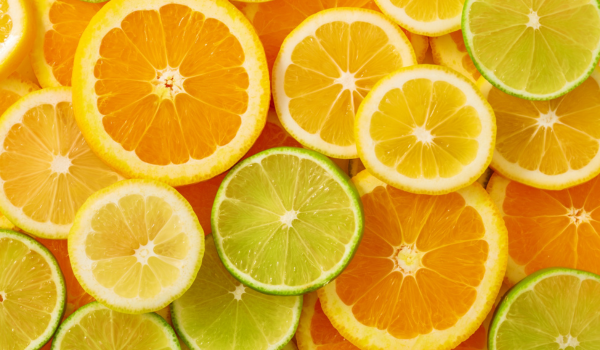
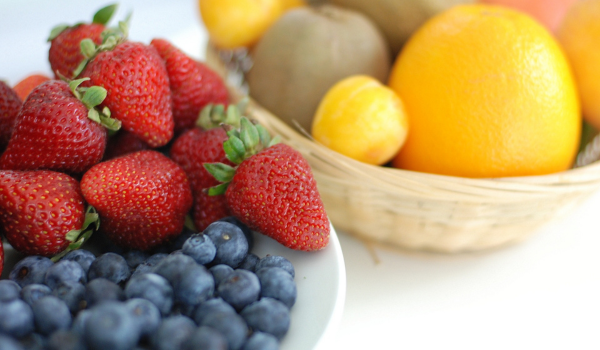
Combining lentils, tofu, spinach, or beans with foods such as citrus fruits, strawberries, bell peppers, or tomatoes can help your body use more of the available iron.
For example, adding lemon juice to cooked spinach or serving lentil soup with tomatoes can make a plant-based meal more supportive of iron absorption.
Be Aware of Foods That Reduce Iron Absorption
Certain dietary compounds can interfere with iron absorption when consumed together.
Calcium-rich foods and supplements may temporarily reduce iron absorption, while phytates found in legumes, whole grains, and some seeds can bind to iron and make it less available.
Tea and coffee also contain polyphenols that can reduce non-heme iron absorption, particularly when consumed with meals.
You do not need to eliminate these foods or beverages. Instead, consider consuming tea or coffee between meals and spacing calcium supplements away from iron supplements when recommended by a healthcare professional.
Understand Heme and Non-Heme Iron
Dietary iron comes in two main forms: heme and non-heme.
Heme iron is found in animal-derived foods such as meat, poultry, and seafood. It is generally absorbed more efficiently and is less affected by other dietary components.
Non-heme iron is found in plant foods, including lentils, tofu, vegetables, and grains. Its absorption varies depending on the meal's composition and the body's iron requirements.
People following vegetarian or vegan diets can meet their iron needs through careful food choices, especially by combining iron-rich plant foods with vitamin C sources.
Consider Your Individual Iron Requirements
Iron requirements vary according to age, sex, pregnancy status, and certain health conditions.
People with heavy menstrual bleeding, pregnant individuals, frequent blood donors, and those with certain digestive conditions may have greater difficulty maintaining adequate iron stores.
If you have low iron levels or iron-deficiency anemia, dietary changes alone may not be sufficient.
A healthcare professional may recommend blood tests and iron supplementation to restore healthy iron levels. Iron supplements should not be taken unnecessarily because excessive iron intake can be harmful.
Final Thoughts
Red meat can be a valuable source of dietary iron, but it is far from the only option. Chicken liver, oysters, lentils, tofu, spinach, dark chocolate, and stewed tomatoes can all contribute to meeting daily iron requirements.
While some of these foods contain more total iron than certain servings of beef, iron absorption varies considerably. Animal-based heme iron is generally more readily absorbed, whereas plant-based non-heme iron benefits from thoughtful food combinations.
A varied diet that includes iron-rich foods, vitamin C sources, and other essential nutrients is one of the most practical ways to support healthy iron levels.
For individuals with diagnosed iron deficiency, professional medical guidance remains important because food alone may not fully correct the condition.

.png)
.png)
.png)
.png)
.png)
.png)
.png)
.png)
.png)
.png)
.png)
.png)
.png)
.png)
.png)

.png)
.png)
.png)
.png)
.png)