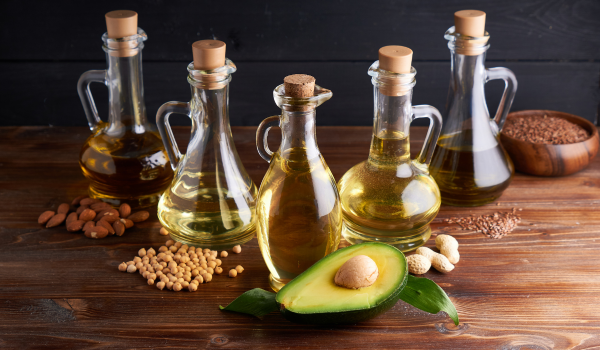
Cooking oils are an important part of many everyday meals, but the type of oil you choose can make a difference to your overall diet.
Oils such as olive, avocado, sesame, and safflower oil provide mostly unsaturated fats, which are generally considered more supportive of heart health. Other oils may contain higher amounts of saturated fat or may become less stable when exposed to high temperatures.
The best cooking oil depends on how you plan to use it, its smoke point, flavor, nutritional profile, and how often it appears in your diet.
Why Choosing the Right Cooking Oil Matters
Different cooking oils contain different types of fatty acids. These fats play important roles in energy production, cell structure, hormone function, and nutrient absorption.
However, some types of fat are more beneficial for cardiovascular health than others.
Choosing oils rich in monounsaturated and polyunsaturated fats can help improve the overall quality of your diet, especially when they replace oils or fats that contain more saturated or trans fat.
Several practical factors are worth considering when buying cooking oil.
Flavor
Some oils have a very mild taste, while others can strongly influence the flavor of a dish.
Sesame oil has a distinctive nutty flavor that works especially well in many Asian-style recipes. Olive oil can range from mild to peppery depending on the type, while avocado oil is usually more neutral.
Choosing an oil with a flavor that matches the recipe can make meals more enjoyable.
Price
Unrefined and higher-quality oils, such as extra virgin olive oil or premium avocado oil, can cost more than highly refined oils.
However, there are many options available at different price points. Comparing brands and bottle sizes can help you find an oil that fits your budget.
Smoke point
The smoke point is the temperature at which an oil begins to break down and produce visible smoke.
When an oil is repeatedly heated beyond its smoke point, its fats can oxidize and produce unwanted compounds.
That is why it can be useful to keep more than one type of oil in the kitchen. One oil may work well for salad dressings or low-heat cooking, while another may be more suitable for higher-temperature methods.
Storage
Light, heat, and air can gradually reduce oil quality.
Whenever possible, choose oils sold in dark or opaque containers and store them in a cool, dark place away from the stove.
Always pay attention to the best-by date and avoid using oil that smells rancid or noticeably different from when it was first opened.
1. Olive Oil
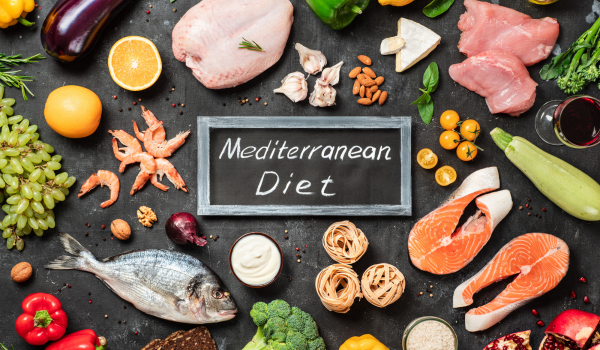
Olive oil is one of the most widely studied cooking oils and is a central part of the Mediterranean diet.
It is produced by crushing and pressing olives to extract their natural oil. Olive oil is especially rich in monounsaturated fat and also provides vitamin E and a variety of antioxidant plant compounds.
Regularly replacing saturated fats with olive oil may support healthy cholesterol levels and cardiovascular health.
Diets that include olive oil have also been associated with better blood pressure and blood lipid profiles.
Why it may support heart health
The monounsaturated fats in olive oil can help reduce LDL cholesterol when used in place of saturated fat.
Extra virgin olive oil also contains polyphenols, which are plant compounds with antioxidant and anti-inflammatory properties.
These compounds may help support healthy blood vessel function and protect against oxidative stress.
Best ways to use it
Olive oil works well for many low- and moderate-heat cooking methods.
It can be used for:
- Sautéing vegetables
- Roasting foods
- Cooking eggs
- Making sauces
- Preparing salad dressings
- Drizzling over soups or finished dishes
Extra virgin olive oil is the least refined form and generally contains more antioxidants than refined olive oils.
Most bottles can maintain good quality for roughly a year or longer when stored properly, although the specific best-by date on the packaging should always be followed.
2. Avocado Oil
Avocado oil is extracted from the flesh of ripe avocados and has become increasingly popular as a versatile cooking oil.
Like olive oil, it is rich in monounsaturated fat.
It also contains vitamin E and antioxidant plant compounds, including carotenoids and polyphenols.
Why it may support heart health
Monounsaturated fats can help support healthier cholesterol levels when they replace saturated fats in the diet.
Some research also suggests that avocado oil may help reduce LDL cholesterol and support healthy inflammatory responses, although more research is still needed.
Best ways to use it
One of avocado oil's biggest advantages is its relatively high smoke point, particularly when refined.
This makes it useful for:
- Pan-frying
- Roasting
- Sautéing
- Grilling
- Higher-heat cooking
Its mild flavor also makes it suitable for recipes where you don't want the oil to dominate the taste.
When buying avocado oil, check that the product contains 100% avocado oil. Some lower-quality products may be blended with less expensive oils.
Store it in a cool, dark location and use it within the recommended period after opening.
3. Sesame Oil
Sesame oil is made from raw or toasted sesame seeds and is known for its distinctive nutty flavor.
It contains a mixture of healthy fats and plant compounds, including natural antioxidants.
Why it may support heart health
Sesame oil contains monounsaturated and polyunsaturated fats, which can help support healthy cholesterol levels when used in place of saturated fats.
It also contains antioxidant compounds such as sesamin and sesamolin.
Some research suggests that sesame oil may support healthier LDL cholesterol and blood sugar levels.
Best ways to use it
Sesame oil works particularly well in recipes where its flavor can complement the dish.
Common uses include:
- Stir-fries
- Noodle dishes
- Sauces
- Marinades
- Salad dressings
Unrefined sesame oil generally has a lower smoke point, while refined versions tolerate higher temperatures.
Toasted sesame oil has a stronger flavor and is often best used in smaller amounts as a finishing oil.
4. Safflower Oil
Safflower oil is extracted from the seeds of the safflower plant.
It has a light, neutral flavor and contains a high proportion of unsaturated fats.
Some varieties are particularly rich in linoleic acid, an omega-6 polyunsaturated fatty acid.
Why it may support heart health
Replacing saturated fats with polyunsaturated fats such as linoleic acid may help support healthy cholesterol levels.
Safflower oil also provides vitamin E, an antioxidant that helps protect cells from oxidative damage.
Best ways to use it
Because of its mild flavor, safflower oil works well in:
- Marinades
- Salad dressings
- Sauces
- Light sautéing
- Baking
Its heat stability depends on the specific type of safflower oil, so check the product label before using it for very high-temperature cooking.
Some varieties may be less suitable for prolonged deep-frying.
Is Cooking Spray Bad for You?
Cooking sprays are a convenient way to coat pans while using a relatively small amount of oil.
Many aerosol sprays use propellants to help distribute the oil. When used according to package directions and in normal cooking amounts, these products are generally considered safe.
The nutritional profile depends mostly on the type of oil used.
If you use cooking spray frequently, choosing one made primarily with olive or avocado oil can help improve the type of fat you're adding to meals.
A light coating is usually enough to reduce sticking without using large amounts.
Cooking Oils to Limit or Use Carefully
Your overall eating pattern matters more than any single cooking oil.
However, some oils are better suited for occasional use, lower-temperature applications, or non-cooking purposes.
It is also important to avoid heating oils that are not designed for high temperatures.
Repeated exposure to excessive heat can increase oxidation and reduce the quality of delicate fats.
1. Fish Oil
Fish oil provides omega-3 fatty acids, which are important for cardiovascular and brain health.
However, fish oil is not designed to be used as a cooking oil.
Its fats are relatively delicate and can oxidize when exposed to high temperatures.
Heating fish oil may cause its fatty acids to break down and produce unwanted compounds.
For this reason, fish oil is usually consumed as a supplement or as naturally occurring fat within fish rather than used for frying or sautéing.
2. Flax Oil
Flaxseed oil is a rich source of alpha-linolenic acid, or ALA, a plant-based omega-3 fatty acid.
However, it has a very low smoke point and is highly sensitive to heat.
That makes it a poor choice for normal cooking.
Better ways to use flax oil
Use flax oil in:
- Salad dressings
- Cold sauces
- Smoothies
- Dips
- Drizzling over finished foods
Because it oxidizes easily, flax oil should generally be stored carefully and used within the recommended period after opening.
3. Palm Oil
Palm oil contains a relatively high amount of saturated fat compared with many other plant oils.
Eating large amounts of saturated fat may raise LDL cholesterol, particularly when it replaces unsaturated fats in the diet.
Palm oil can still be used occasionally, but it is generally better not to make it the main cooking fat in your diet.
There are also environmental concerns associated with some palm oil production, particularly deforestation and habitat loss.
If you use palm oil, choosing products sourced through more sustainable production systems may be preferable.
4. Highly Refined Vegetable Oils
The term "vegetable oil" can refer to several oils, including soybean, corn, canola, and blended seed oils.
These oils are often highly refined to improve shelf life, produce a neutral flavor, and remove color or odor.
Refining can reduce some naturally occurring antioxidants, although the final nutritional profile varies significantly by oil.
Many vegetable oils are rich in polyunsaturated fats.
These fats can be part of a healthy diet, but they may be more vulnerable to oxidation when repeatedly exposed to very high temperatures.
The bigger concern is often not moderate home cooking, but repeatedly reheating the same oil, especially during deep frying.
Repeatedly heated oils can accumulate oxidation products that may negatively affect cardiovascular and metabolic health.
For everyday cooking, use fresh oil, avoid repeatedly reheating it, and choose an oil suitable for the cooking temperature.
5. Walnut Oil
Walnut oil is rich in unsaturated fats, including alpha-linolenic acid.
It also contains compounds that may support cardiovascular and inflammatory health.
However, walnut oil is relatively delicate and can oxidize when exposed to high temperatures.
Best ways to use it
Walnut oil is better suited to:
- Salad dressings
- Dips
- Cold sauces
- Drizzling over roasted vegetables
- Finishing cooked dishes
Its distinctive nutty flavor works especially well in salads and grain-based recipes.
How To Use Cooking Oil in a Healthy Diet
Dietary fat is an important macronutrient and doesn't need to be avoided.
For many adults, fat may reasonably provide around 20% to 35% of total daily calories, although individual needs can vary.
The type of fat you consume is generally more important than simply aiming for the lowest possible fat intake.
A diet that includes appropriate amounts of unsaturated fats can support heart, brain, hormone, and overall metabolic health.
Use sesame oil for flavor
A small amount of sesame oil can add a rich, nutty flavor to stir-fries, noodles, vegetables, and sauces.
Cook eggs or tofu in olive oil
Olive oil works well for moderate-heat cooking and provides monounsaturated fat.
Use avocado oil for higher temperatures
Refined avocado oil is a practical option for pan-frying, roasting, and other methods that involve more heat.
Finish dishes with olive oil
A small drizzle of extra virgin olive oil over soup, vegetables, beans, or grains can add flavor and healthy fats without additional cooking.
Sauté vegetables in olive or avocado oil
Using unsaturated oils instead of butter or other saturated fats can improve the overall fat profile of a meal.
Keep several oils available
Having more than one oil in the kitchen allows you to match the oil to the cooking method.
For example, you might keep extra virgin olive oil for dressings and moderate heat, avocado oil for higher heat, and sesame or walnut oil for flavor.
How To Store Cooking Oils Properly
Even healthy oils can lose quality when they are stored incorrectly.
Heat, oxygen, and light can all accelerate oxidation.
To protect cooking oils:
- Store them away from direct sunlight
- Keep them away from hot stovetops or ovens
- Close bottles tightly after use
- Choose dark or opaque containers when possible
- Avoid keeping very large bottles open for long periods
- Use oils before their recommended best-by dates
If an oil develops an unpleasant, stale, paint-like, or bitter smell, it may have become rancid and should be discarded.
The Bottom Line
Olive oil and avocado oil are two of the most versatile choices for everyday cooking because they provide heart-friendly unsaturated fats and can be used in many types of recipes.
Sesame and safflower oils can also be useful, particularly when their flavor or cooking characteristics fit the dish.
More delicate oils, including flaxseed and walnut oil, are better used without high heat.
Palm oil and repeatedly heated cooking oils are best limited, while fish oil should not be treated as a cooking oil at all.
The healthiest approach is not necessarily to rely on one single oil. Instead, keep a few appropriate oils available and choose them according to the cooking temperature, nutritional profile, and flavor you want.
Most importantly, focus on your overall dietary pattern. Using unsaturated oils alongside vegetables, fruits, whole grains, fish, legumes, nuts, and other nutrient-rich foods can help support long-term cardiovascular health.









.png)
.png)
.png)
.png)

.png)
.png)
.png)
.png)
.png)
.png)
.png)
.png)
.png)
.png)



.png)
.png)
.png)
.png)
.png)
.png)
.png)