
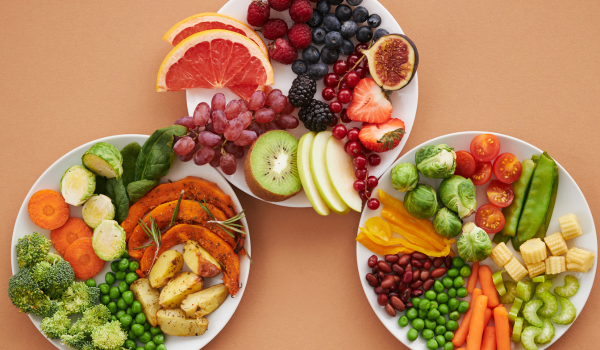
The Whole30 diet is a short-term elimination eating plan designed to help people identify foods that may negatively affect energy, digestion, mood, sleep, or overall well-being.
During the program, participants remove several major food groups for 30 days, including sugar, alcohol, grains, legumes, and dairy products. The diet focuses heavily on whole foods such as vegetables, fruits, lean proteins, and healthy fats.
Unlike traditional weight-loss diets, Whole30 is intended to function more as a reset or self-experiment rather than a permanent lifestyle plan. After the 30-day elimination phase, foods are gradually reintroduced to help identify possible food sensitivities or triggers.
Although some people report improvements in energy, digestion, and eating habits, the program can also be restrictive and difficult to maintain long term.
How The Whole30 Diet Works
Whole30 is based on the idea that certain foods may contribute to inflammation, digestive discomfort, cravings, fatigue, or other symptoms in some individuals.
To identify potential problem foods, the program removes several categories completely for 30 days. Afterward, foods are slowly reintroduced one at a time while monitoring how the body responds.
This process is meant to help participants better understand how specific foods affect their physical and mental well-being.
The Elimination Phase
For the first 30 days, participants completely avoid foods considered off-limits by the program.
The elimination phase is very strict, with no “cheat meals” or exceptions allowed during the month.
The Reintroduction Phase
After the 30-day elimination period, foods are gradually added back one group at a time over approximately 10 days.
This step helps identify whether certain foods may contribute to symptoms such as:
- Digestive discomfort
- Fatigue
- Bloating
- Mood changes
- Cravings
- Sleep issues
Careful observation during reintroduction is considered one of the most important parts of the program.
Foods Allowed On Whole30
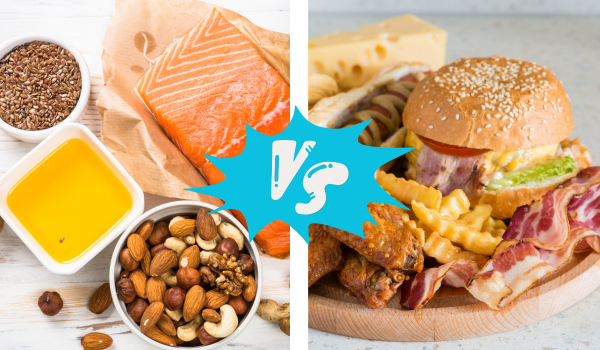
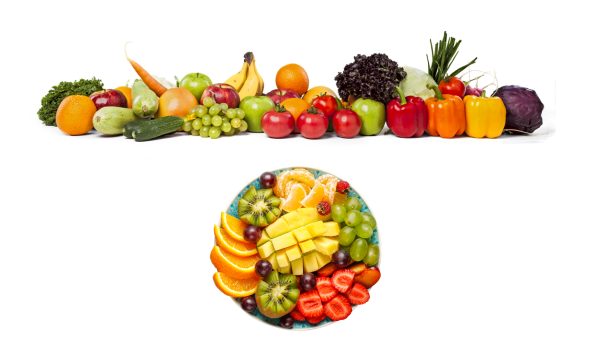
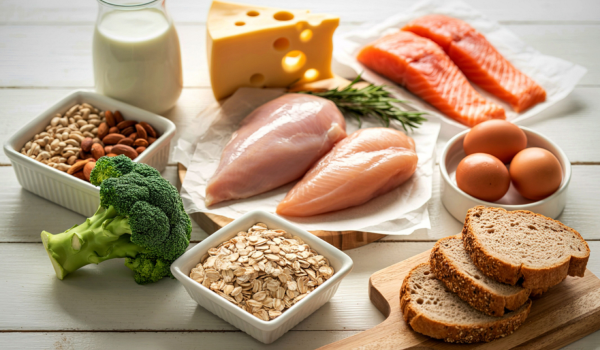
Whole30 emphasizes minimally processed whole foods and encourages meals built around protein, vegetables, healthy fats, and natural ingredients.
Foods commonly allowed include:
- Eggs
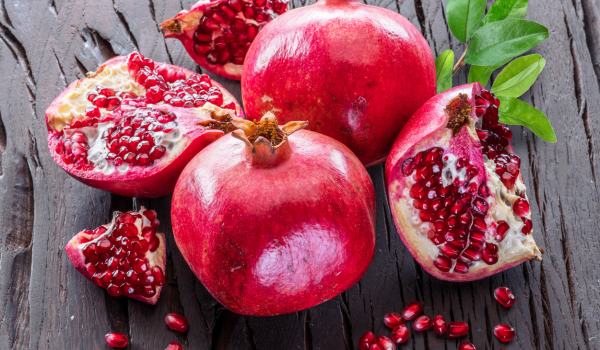
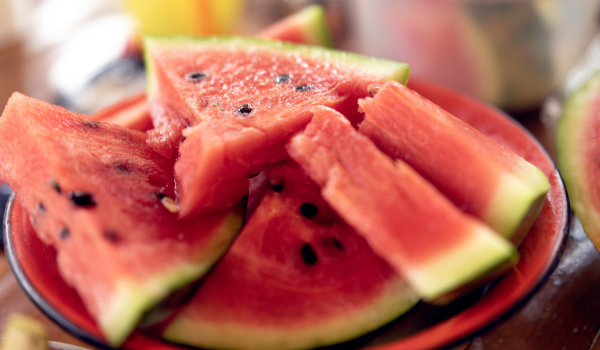
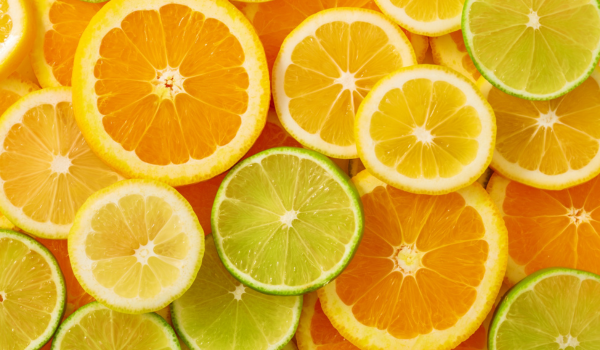
- Fresh fruits
- Vegetables
- Meat and poultry
- Seafood
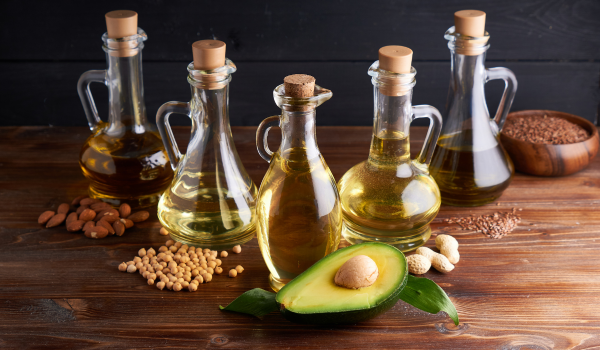
- Healthy oils such as olive oil and avocado oil
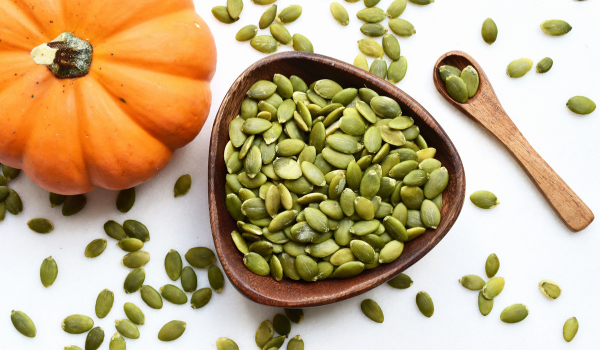
- Nuts and seeds
- Herbs, spices, and seasonings
- Vinegar (except malt vinegar)
Some unsweetened plant-based products may also be allowed depending on ingredient lists.
Foods Avoided On Whole30
The program removes several food groups entirely for the duration of the elimination phase.
Foods typically not allowed include:
- Added sugar
- Artificial sweeteners
- Alcohol
- Dairy products
- Grains
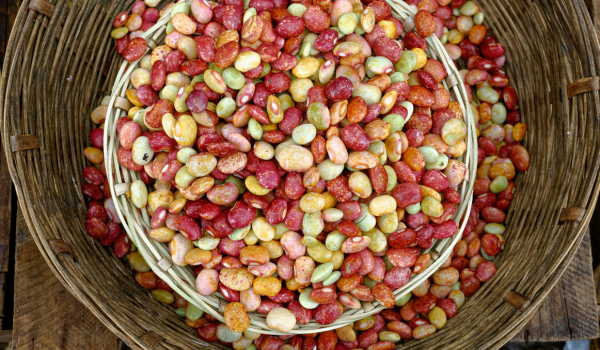
- Legumes
- Processed snack foods
- Most desserts and baked goods
- Foods made with non-compliant ingredients
Certain exceptions exist, such as green beans and some peas, but overall the program remains highly restrictive.
Sample Whole30 Meal Ideas
Although restrictive, Whole30 still allows many simple meal combinations using whole ingredients.
Breakfast
An omelet with eggs and sautéed leafy greens or a smoothie made with berries, banana, unsweetened almond milk, and plant-based protein powder.
Lunch
A salad topped with grilled chicken or tofu, avocado, mixed vegetables, olive oil, and vinegar dressing.
Snack
Fresh fruit with nuts or seeds.
Dinner
Grilled salmon or tofu served with roasted vegetables and baked sweet potato.
Potential Benefits Of Whole30
Many people report positive short-term effects while following the program, though scientific research specifically on Whole30 remains limited.
Improved Eating Awareness
The diet encourages people to pay closer attention to ingredient labels, food quality, and how foods affect their bodies.
Reduced Ultra-Processed Food Intake
Eliminating heavily processed foods, sugary snacks, alcohol, and fast food may naturally improve diet quality for some individuals.
Possible Improvements In Energy And Digestion
Some participants report fewer digestive symptoms, more stable energy levels, improved sleep, and reduced cravings after removing certain foods temporarily.
Weight Loss
Although weight loss is not officially the main goal, some people may lose weight due to reduced calorie intake and greater consumption of high-fiber whole foods.
Possible Risks And Drawbacks
Despite potential short-term benefits, Whole30 also has several limitations and risks.
Nutrient Deficiencies
Removing entire food groups such as legumes, grains, and dairy may reduce intake of important nutrients, including:
- Fiber
- Calcium
- Magnesium
- Iron
- Selenium
- B vitamins
Without careful planning, nutritional balance may become difficult to maintain.
Digestive Issues
The elimination of legumes and whole grains may significantly reduce dietary fiber intake, which could negatively affect gut health and bowel regularity for some individuals.
Increased Food Cravings
Strict food restriction may increase cravings for eliminated foods, especially in people with a history of restrictive dieting or disordered eating behaviors.
Social And Lifestyle Challenges
Whole30’s strict rules may make eating out, traveling, or participating in social events more difficult.
Many people also find the program mentally exhausting due to constant ingredient checking and food restrictions.
Cost Concerns
The diet emphasizes fresh produce, quality proteins, and minimally processed foods, which can increase grocery costs compared to processed convenience foods.
Is Whole30 Good For Long-Term Use?
Whole30 was not designed to be followed permanently.
The program is intended as a short-term elimination experiment rather than a lifelong eating style.
Many experts caution that highly restrictive diets can become difficult to sustain and may negatively affect a person’s relationship with food if followed too rigidly for extended periods.
A balanced, flexible eating approach that includes a variety of nutrient-dense foods is generally considered more sustainable long term.
Frequently Asked Questions
Are Bananas Allowed On Whole30?
Yes. Whole fruits, including bananas, are allowed because their natural sugars are different from added sugars found in processed foods.
Can You Eat Fast Food On Whole30?
Some restaurant foods may fit Whole30 guidelines if ingredients comply with program rules. However, sauces, seasonings, oils, and additives often contain restricted ingredients.
Will You Lose Weight On Whole30?
Some people may lose weight during Whole30 because they reduce processed foods, alcohol, sugar, and overall calorie intake.
However, the main purpose of the program is food elimination and symptom awareness rather than weight loss specifically.
Is Whole30 Right For You?
Whole30 may help some individuals better understand how certain foods affect digestion, cravings, energy, or overall wellness.
However, the program’s strict rules and elimination of multiple food groups may not be appropriate or sustainable for everyone.
People with a history of disordered eating, nutrient deficiencies, medical conditions, or complex dietary needs should speak with a healthcare provider or registered dietitian before starting restrictive eating plans.
The Bottom Line
Whole30 is a short-term elimination diet focused on removing sugar, alcohol, dairy, grains, and legumes for 30 days before gradually reintroducing them.
Some people may experience benefits such as improved eating awareness, reduced processed food intake, and temporary improvements in digestion or energy levels.
However, the diet is highly restrictive and may increase the risk of nutrient deficiencies, cravings, and long-term sustainability challenges if followed improperly.

.png)





.png)
.png)
.png)
.png)

.png)
.png)
.png)
.png)
.png)
.png)
.png)
.png)
.png)
.png)



.png)
.png)
.png)
.png)
.png)
.png)

