.png)
Food is more than nourishment. It reflects culture, tradition, environment, and history. Around the world, many traditional dietary patterns have supported generations of people with strong health, longevity, and resilience. These cultural diets are often built on simple, whole foods and balanced eating habits that naturally align with modern nutrition science.
While modern eating patterns have shifted toward convenience and processed foods, studying traditional diets offers valuable insight into how food can support long-term wellness. These diets are not based on strict rules or trends, but on practical habits developed over time.
Understanding how cultural diets promote health can help you apply timeless principles to your own daily eating routine.
What Defines Cultural Diets Around The World
Cultural diets are shaped by geography, climate, available resources, and long-standing traditions. They reflect how communities have historically sourced and prepared food.
local ingredients and natural availability
Traditional diets rely heavily on foods that are locally grown or produced. This includes seasonal fruits and vegetables, grains, legumes, and region-specific proteins.
For example, coastal regions often include more seafood, while inland areas may rely more on grains and plant-based foods.
simple preparation methods
Cultural diets typically use simple cooking techniques such as boiling, grilling, fermenting, or roasting. These methods help preserve nutrients and enhance natural flavors.
Highly processed foods are generally limited in traditional eating patterns.
balanced and varied meals
Most cultural diets include a balance of carbohydrates, proteins, and fats, along with a variety of micronutrients. This balance supports overall health and energy.
Examples Of Healthy Cultural Diets
Several traditional diets are widely recognized for their health benefits.
mediterranean diet
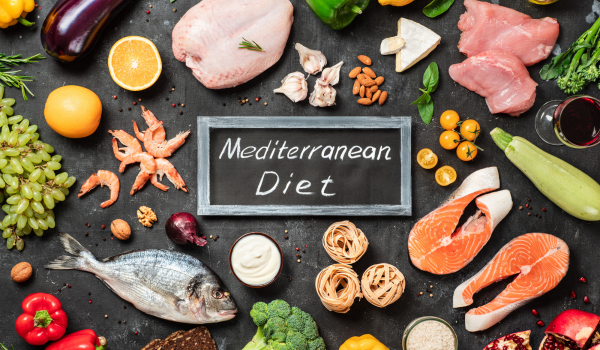
The Mediterranean diet emphasizes vegetables, fruits, whole grains, legumes, olive oil, and fish. It is associated with improved heart health and reduced risk of chronic diseases.
Meals are often shared and enjoyed slowly, contributing to both physical and mental well-being.
japanese diet
The traditional Japanese diet includes rice, fish, vegetables, seaweed, and fermented foods. It is typically low in processed foods and rich in nutrients.
This dietary pattern is associated with longevity and metabolic health.
traditional nordic diet
The Nordic diet focuses on whole grains, root vegetables, berries, fish, and healthy fats. It emphasizes seasonal and locally sourced foods.
This approach supports cardiovascular health and balanced nutrition.
latin american traditional diets
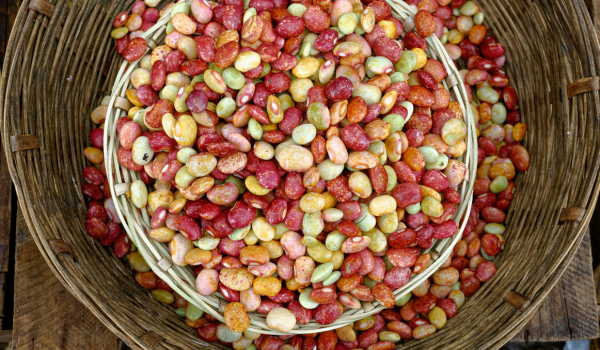
Many traditional Latin American diets include beans, corn, vegetables, and fruits. These foods provide fiber, plant-based protein, and essential nutrients.
These diets often combine affordability with strong nutritional value.
Common Principles Shared By Healthy Cultural Diets
Despite regional differences, many healthy cultural diets share similar characteristics.
high intake of whole foods
Whole, minimally processed foods form the foundation of most traditional diets. These foods provide essential nutrients and support overall health.
rich in plant-based foods
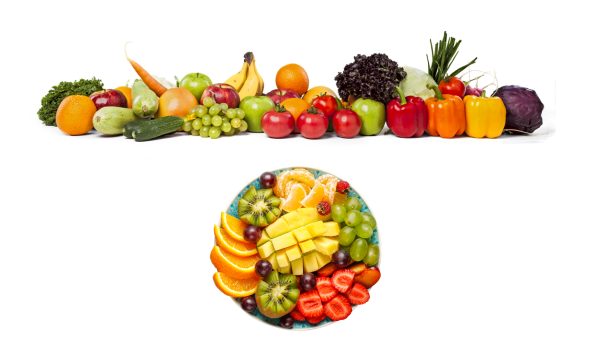
Vegetables, fruits, legumes, and whole grains are common across many cultural diets. These foods contribute fiber, vitamins, and antioxidants.
moderate use of animal products
Animal proteins are often included in moderate amounts rather than being the central focus of meals.
This balance helps maintain nutritional diversity.
healthy fats and natural ingredients
Healthy fats from sources such as olive oil, nuts, seeds, and fish are commonly used.
Artificial additives and processed ingredients are generally limited.
How Cultural Diets Support Long-Term Health
The benefits of cultural diets extend beyond individual nutrients.
supporting heart health
Many traditional diets include fiber-rich foods and healthy fats that contribute to cardiovascular health.
These patterns help maintain healthy cholesterol levels and blood pressure.
promoting digestive health
High fiber intake from plant-based foods supports a healthy digestive system.
Fermented foods in some cultures also contribute to gut health.
encouraging balanced eating habits
Cultural diets often promote regular meals, mindful eating, and portion awareness.
These habits support long-term consistency and overall well-being.
The Role Of Lifestyle In Cultural Eating Patterns
Food is only one part of the broader lifestyle associated with cultural diets.
social connection and shared meals
Meals are often shared with family and community, which supports emotional well-being and encourages mindful eating.
daily physical activity
In many traditional cultures, physical activity is part of daily life, whether through work, walking, or other routines.
This contributes to overall health and energy balance.
slower pace of eating
Eating slowly allows for better digestion and helps regulate appetite.
This habit supports a healthier relationship with food.
Applying Cultural Diet Principles To Modern Life
You do not need to follow a specific cultural diet to benefit from its principles.
focus on whole foods
Choosing fresh, minimally processed foods can improve overall nutrition.
include a variety of ingredients
Incorporating different foods helps ensure a broad range of nutrients.
practice mindful eating
Taking time to enjoy meals and listen to hunger signals can support better habits.
adapt to your environment
Using locally available foods and seasonal ingredients can help create a sustainable approach.
Common Challenges In Modern Diets
Modern eating patterns often differ from traditional diets in ways that may affect health.
high reliance on processed foods
Convenience foods are often high in added sugars, unhealthy fats, and sodium.
Reducing these foods can improve diet quality.
limited variety
Eating the same foods repeatedly can limit nutrient intake.
Adding variety supports better nutrition.
fast-paced eating habits
Eating quickly or while distracted can affect digestion and satiety.
Slowing down can improve overall eating experience.
Conclusion
Cultural diets around the world demonstrate that healthy eating does not require complex rules or restrictive plans. By focusing on whole foods, balanced meals, and mindful habits, these traditional patterns support long-term health and well-being.
Learning from these diets can help you build a more sustainable and enjoyable approach to nutrition. Small changes, such as increasing whole food intake and embracing variety, can make a meaningful difference.
Start exploring these principles in your daily meals and discover how cultural wisdom can support your health. Explore more nutrition insights and healthy eating guides on Health365s to continue building a healthier lifestyle.

.png)












.png)
.png)
.png)
.png)


.png)
.png)
.png)
.png)
.png)
.png)
.png)
.png)
.png)



.png)
.png)
.png)
.png)
.png)
.png)