.png)
Walking into a grocery store without a plan can quickly lead to impulse purchases and less nutritious choices. Bright packaging, convenience foods, and time pressure often influence what ends up in the cart more than actual nutritional needs. Over time, these small decisions can shape eating habits and overall health.
Smart grocery shopping is not about strict rules or perfection. It is about making intentional choices that prioritize nutrient-rich foods while still keeping meals practical, enjoyable, and budget-friendly.
By learning a few simple strategies, it becomes much easier to build a kitchen stocked with ingredients that support balanced, nourishing meals every day.
Why Smart Grocery Shopping Matters For Nutrition
Grocery shopping is one of the most important steps in building healthy eating habits. The foods available at home directly influence what is prepared and consumed throughout the week.
how food choices start at the store
Many daily eating decisions are shaped before meals are even prepared. If a kitchen is stocked with whole grains, fresh vegetables, lean proteins, and healthy fats, it becomes easier to build balanced meals.
On the other hand, if highly processed snacks and refined foods are readily available, they are more likely to be consumed out of convenience.
Planning ahead at the grocery store creates a strong foundation for better nutrition.
the link between planning and healthier eating
Research shows that people who plan meals and shop with a list tend to make healthier food choices. Planning helps reduce impulsive buying and ensures that meals include a variety of nutrients.
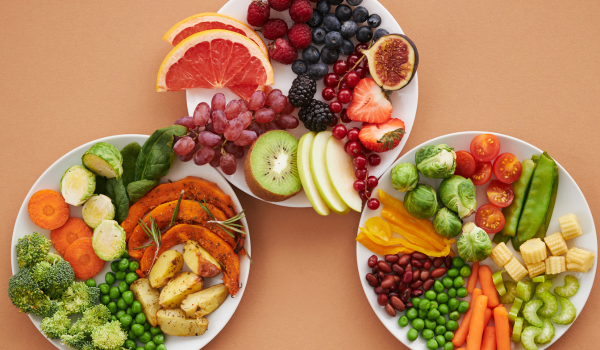
For example, having ingredients ready for a balanced meal such as vegetables, whole grains, and protein sources can reduce reliance on takeout or processed foods.
Smart grocery shopping supports consistency, which is essential for long-term health.
How To Plan Before You Go Shopping
Preparation is one of the most effective ways to improve grocery shopping habits. A little planning can make the entire process more efficient and nutritionally focused.
create a simple meal plan
Planning meals for the week helps identify exactly what ingredients are needed. Meals do not need to be complicated. Even a few basic dishes can provide variety when different ingredients are rotated.
For example, planning meals such as grilled chicken with vegetables, lentil soup, or whole-grain pasta with vegetables can guide grocery choices.
Meal planning also helps ensure balanced nutrition across the week.
build a structured shopping list
A shopping list reduces distractions and keeps the focus on necessary items. Organizing the list by categories such as vegetables, fruits, proteins, grains, and pantry items can make shopping more efficient.
Sticking to a list can also help manage spending and reduce unnecessary purchases.
avoid shopping when hungry
Shopping while hungry often leads to impulse buying, especially for high-calorie or processed snacks. Eating a balanced meal or snack before going to the store can help maintain better decision-making.
Choosing Nutrient-Dense Foods In Each Section Of The Store
Understanding how to navigate different areas of the grocery store can make it easier to select foods that support balanced nutrition.
focus on the produce section
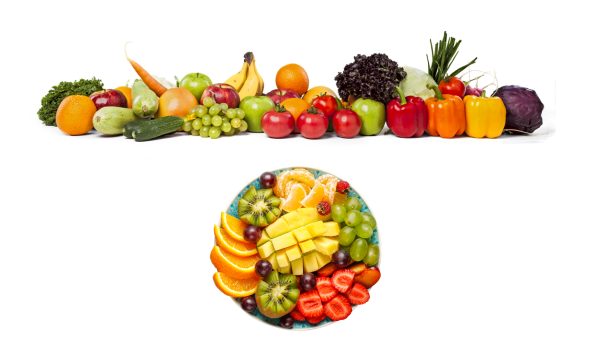
The produce section is one of the most important areas for building a nutrient-rich diet. Fresh vegetables and fruits provide essential vitamins, minerals, and fiber.
Choosing a variety of colors can help ensure a wide range of nutrients. Leafy greens, cruciferous vegetables, berries, citrus fruits, and root vegetables are all excellent options.
Frozen fruits and vegetables can also be convenient and nutritious alternatives.
select quality protein sources
Protein is essential for muscle health, metabolism, and satiety. Choosing lean and varied protein sources can improve overall nutrition.
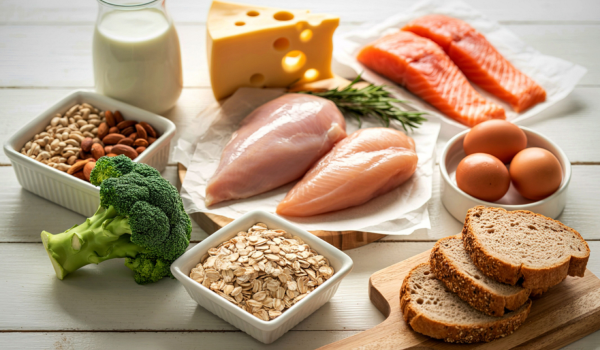
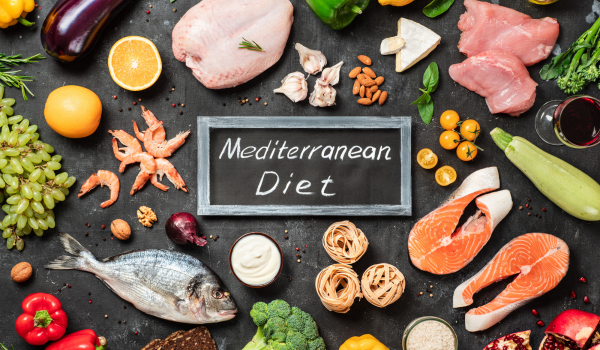
Options include poultry, fish, eggs, legumes, tofu, and dairy products such as yogurt. Fatty fish like salmon provide omega-3 fatty acids that support heart health.
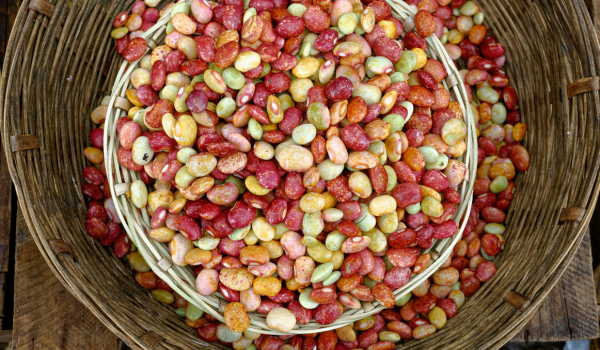
Plant-based proteins such as beans and lentils offer both protein and fiber.
choose whole grains over refined grains
Whole grains contain more fiber and nutrients than refined grains. Foods such as brown rice, oats, quinoa, and whole wheat bread are better choices for sustained energy.
Reading labels can help identify products made with whole grains rather than refined flour.
Whole grains support digestive health and help maintain stable blood sugar levels.
include healthy fats
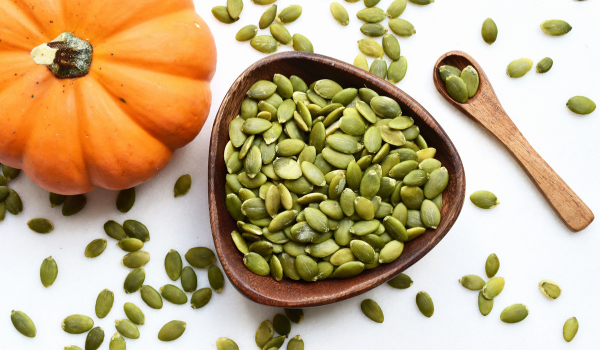
Healthy fats are an important part of balanced nutrition. Foods such as avocados, nuts, seeds, and olive oil provide beneficial fats that support heart health.
Choosing unsaturated fats over highly processed oils can improve the overall quality of meals.
Moderate portions of healthy fats can also enhance flavor and satisfaction.
How To Read Food Labels Effectively
Food labels can provide useful information, but understanding how to interpret them is essential for making informed choices.
check the ingredient list
The ingredient list shows what a product contains, listed in order of quantity. Shorter ingredient lists with recognizable foods are often better choices.
Whole ingredients such as oats, nuts, or whole grains are typically preferable to products with many additives or artificial ingredients.
be aware of added sugars and sodium
Many processed foods contain added sugars and high levels of sodium. Checking nutrition labels can help identify these components.
Choosing products with lower added sugar and moderate sodium levels supports better overall health.
understand portion sizes
Serving sizes on labels may differ from what people actually consume. Paying attention to portion sizes helps provide a more accurate understanding of calorie and nutrient intake.
This awareness can support more balanced eating habits.
Budget-Friendly Tips For Nutritious Grocery Shopping
Eating nutritious meals does not have to be expensive. With thoughtful planning, it is possible to maintain a healthy diet while managing costs.
buy seasonal produce
Seasonal fruits and vegetables are often more affordable and fresher. Local markets can be good sources of seasonal produce.
When certain items are out of season, frozen alternatives can provide similar nutritional value at a lower cost.
choose versatile ingredients
Foods that can be used in multiple meals help reduce waste and save money. For example, ingredients like rice, beans, vegetables, and eggs can be used in a variety of dishes.
Planning meals around versatile ingredients increases efficiency in the kitchen.
purchase in bulk when appropriate
Buying staples such as whole grains, legumes, nuts, and seeds in bulk can reduce costs over time.
Proper storage helps maintain freshness and prevent waste.
Common Mistakes To Avoid While Grocery Shopping
Even with good intentions, certain habits can reduce the effectiveness of grocery shopping for nutrition.
buying too many processed convenience foods
Convenience foods can be appealing due to time constraints, but they often contain added sugars, unhealthy fats, and excess sodium.
Balancing convenience with whole food choices can improve nutritional quality.
ignoring fresh or frozen produce
Some people skip produce due to concerns about spoilage or preparation time. However, including fresh or frozen fruits and vegetables is essential for nutrient intake.
Simple preparation methods such as roasting or steaming can make vegetables more appealing and easy to include.
overcomplicating meal planning
Trying to prepare too many complex meals can lead to frustration and inconsistency. Keeping meals simple and realistic helps maintain sustainable habits.
Conclusion
Smart grocery shopping is a practical and effective way to improve daily nutrition. By planning ahead, choosing nutrient-dense foods, and understanding how to read labels, it becomes easier to build meals that support health and well-being.
Small changes in shopping habits can lead to meaningful improvements in eating patterns over time. Stocking the kitchen with whole foods, balanced ingredients, and versatile options creates a strong foundation for healthier living.
To continue improving your nutrition, start applying these grocery shopping tips on your next trip. Explore more healthy eating strategies and nutrition guides on Health365s to build a more balanced and sustainable lifestyle.















.png)
.png)
.png)
.png)

.png)
.png)
.png)
.png)
.png)
.png)
.png)
.png)
.png)
.png)


.png)
.png)
.png)
.png)
.png)
.png)
.png)
.png)