.png)
Starting a new way of eating can feel overwhelming, especially when there are so many diets and conflicting nutrition trends. The Mediterranean diet offers a refreshing alternative by focusing on simple, wholesome foods rather than strict rules or restrictions. It is widely recognized as one of the most sustainable and balanced approaches to healthy eating.
This dietary pattern is inspired by traditional eating habits in Mediterranean regions, where meals are built around fresh ingredients, healthy fats, and a variety of plant-based foods. It supports long-term health while still allowing flexibility and enjoyment.
For beginners, understanding the basics of the Mediterranean diet can make it easy to start making healthier choices without feeling restricted or confused.
What The Mediterranean Diet Is All About
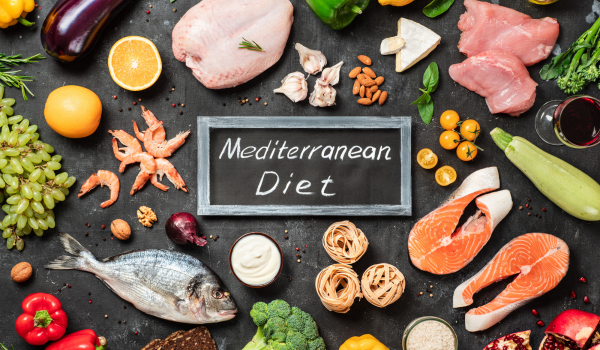
The Mediterranean diet is not a rigid plan but a flexible pattern of eating centered around whole, minimally processed foods. It encourages balance, variety, and mindful eating.
a focus on whole and natural foods
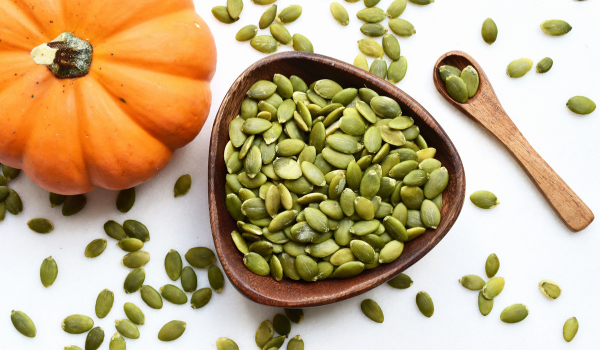
The foundation of the Mediterranean diet includes vegetables, fruits, whole grains, legumes, nuts, and seeds. These foods provide essential nutrients such as fiber, vitamins, minerals, and antioxidants.
Meals are typically built around plant-based ingredients, with animal proteins used in moderate amounts.
healthy fats as a key component
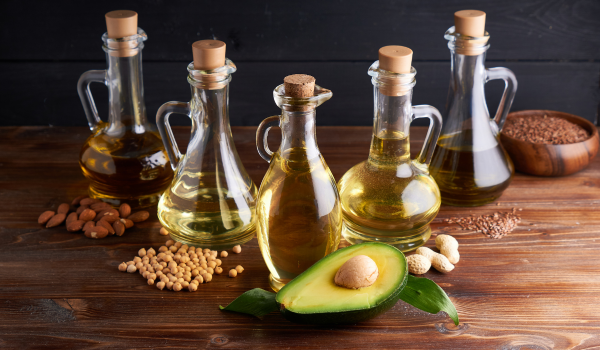
Unlike many traditional diets that limit fat intake, the Mediterranean diet emphasizes healthy fats, particularly from olive oil.
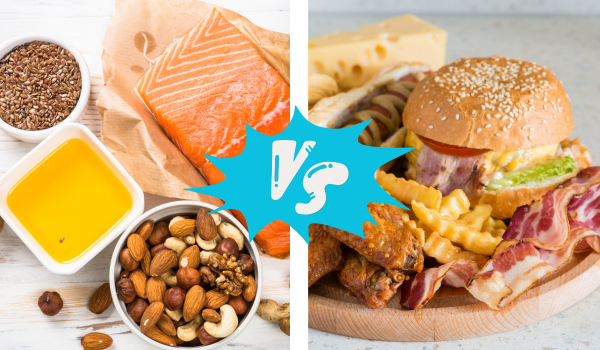
Olive oil is used in cooking and dressings and provides monounsaturated fats that support heart health. Nuts, seeds, and fatty fish also contribute beneficial fats.
moderate and balanced protein intake
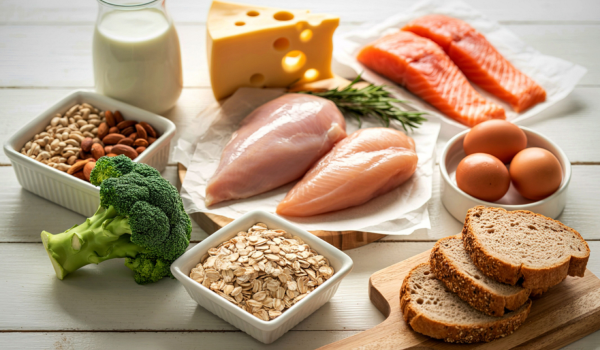
Protein sources in the Mediterranean diet include fish, seafood, poultry, eggs, dairy, and plant-based options like beans and lentils.
Fish is often consumed several times per week, while red meat is eaten less frequently.
This balance helps provide essential nutrients without excessive saturated fat intake.
Foods To Eat And Foods To Limit
Understanding which foods to include and which to limit can help beginners build a Mediterranean-style eating pattern more easily.
foods to eat regularly
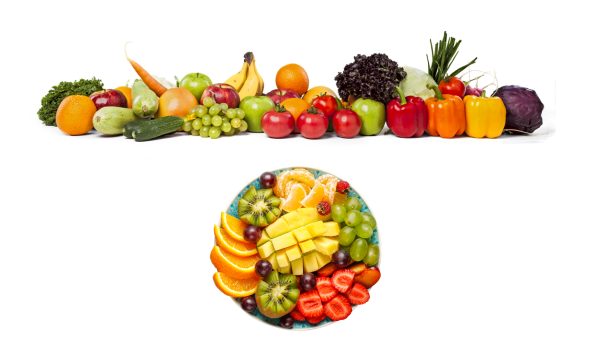
Vegetables and fruits should make up a large portion of daily meals. Whole grains such as brown rice, oats, and whole wheat bread provide sustained energy.
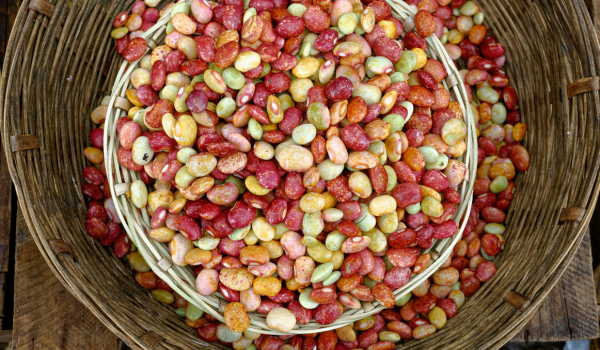
Legumes like lentils and chickpeas offer plant-based protein and fiber. Nuts and seeds provide healthy fats and micronutrients.
Fish and seafood are encouraged as primary protein sources, while olive oil is used as the main fat.
foods to limit
Highly processed foods, refined grains, sugary snacks, and excessive red meat are typically limited.
These foods often contain added sugars, unhealthy fats, and fewer nutrients.
Limiting these items helps improve overall diet quality and supports long-term health.
How To Build Simple Mediterranean Meals
One of the easiest ways to follow the Mediterranean diet is by focusing on simple meal combinations that include a variety of nutrient-rich foods.
balanced meal structure
A typical Mediterranean meal includes vegetables, whole grains or legumes, a source of protein, and healthy fats.
For example, a meal could consist of grilled fish, a salad with olive oil, and a serving of whole grains such as quinoa or whole wheat bread.
This combination provides a balance of nutrients that support energy and satiety.
easy meal ideas for beginners
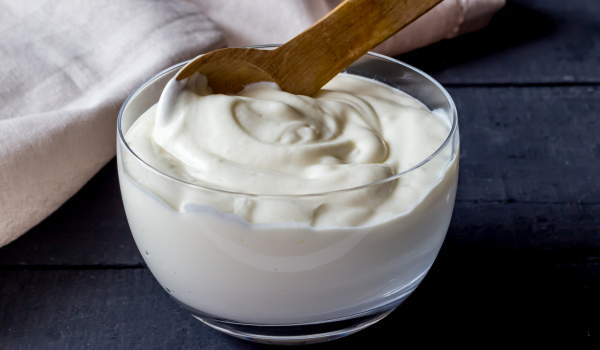
Breakfast might include Greek yogurt with fruit and nuts or whole grain toast with avocado.
Lunch could be a salad with mixed vegetables, chickpeas, olive oil, and a protein source such as grilled chicken or fish.
Dinner options include roasted vegetables with fish, lentil soup, or whole grain pasta with vegetables and olive oil.
These meals are simple, nutritious, and easy to prepare.
Health Benefits Of The Mediterranean Diet
The Mediterranean diet is supported by extensive research highlighting its benefits for overall health.
supporting heart health
This diet is known for promoting cardiovascular health. Healthy fats, fiber, and antioxidants contribute to maintaining healthy cholesterol levels and blood pressure.
reducing inflammation
Foods rich in antioxidants and healthy fats help support the body's natural inflammatory balance. This can contribute to long-term wellness.
improving energy and metabolism
Balanced meals that include whole foods help maintain stable energy levels throughout the day. The combination of fiber, protein, and healthy fats supports metabolic function.
supporting long-term health
The Mediterranean diet is associated with reduced risk of chronic diseases and supports overall longevity.
Its emphasis on whole foods and balanced nutrition makes it a sustainable long-term approach.
Practical Tips To Get Started
Starting the Mediterranean diet can be simple with a few practical steps.
start with small changes
Begin by adding more vegetables to meals and replacing processed foods with whole alternatives. Gradual changes make the transition easier to maintain.
use olive oil regularly
Replacing butter or processed oils with olive oil is a simple and effective upgrade.
eat more plant-based meals
Incorporating more plant-based dishes such as lentil soups or vegetable-based meals can improve nutrient intake.
plan meals ahead
Planning meals helps ensure that healthy ingredients are available and reduces reliance on less nutritious options.
Common Mistakes Beginners Should Avoid
While the Mediterranean diet is flexible, there are some common misunderstandings to be aware of.
overeating healthy fats
Although healthy fats are beneficial, they are still calorie-dense. Moderation is important.
not eating enough vegetables
Vegetables are a key component of this diet. Ensuring they make up a large portion of meals is essential.
relying on processed “mediterranean-style” products
Some packaged foods labeled as Mediterranean may still be highly processed. Focusing on whole foods is more beneficial.
Conclusion
The Mediterranean diet offers a simple and sustainable way to improve your eating habits. By focusing on whole foods, healthy fats, and balanced meals, it supports heart health, energy levels, and overall wellness.
For beginners, the key is to start small and build habits gradually. Adding more vegetables, choosing healthier fats, and incorporating fish and plant-based meals can make a meaningful difference.
Take your first step today by applying these simple changes to your meals. Explore more nutrition tips and healthy eating guides on Health365s to continue building a healthier lifestyle.

.png)









.png)
.png)
.png)
.png)

.png)
.png)
.png)
.png)
.png)
.png)
.png)
.png)
.png)
.png)



.png)
.png)
.png)
.png)
.png)