
.png)
Canned chicken noodle soup and instant ramen are quick, convenient meals—but when it comes to heart health, they are not equal. The biggest difference lies in sodium content, which plays a major role in blood pressure and cardiovascular risk.
Which Soup Has More Sodium?
In general, instant ramen contains more sodium than canned chicken noodle soup.
For example:
-
Chicken noodle soup: ~890 mg sodium per serving
-
Instant ramen: ~1,070 mg sodium per serving
Although chicken noodle soup is the lower-sodium option, both are still considered high in salt. In fact, just one serving of ramen can provide nearly half of the recommended daily sodium limit (2,300 mg).
How Sodium Affects Heart Health
High sodium intake can negatively impact your cardiovascular system.
Excess sodium causes the body to retain fluid, which increases blood pressure. Over time, this can:
-
Raise the risk of hypertension
-
Strain the heart and blood vessels
-
Increase the risk of heart disease and stroke
Because of this, limiting high-sodium foods like packaged soups is important for long-term heart health.
Which Soup Is Worse For Your Health?
While both options are high in sodium, instant ramen is generally considered less healthy.
Research suggests that frequent consumption of instant noodles is linked to a higher risk of metabolic syndrome—a condition that includes:
-
High blood pressure
-
High blood sugar
-
High cholesterol
-
Increased abdominal fat
These factors significantly increase the risk of heart disease and type 2 diabetes.
Some studies have also linked frequent ramen consumption to higher mortality risk in certain populations.
Nutrition Comparison
Nutritional values can vary by brand, but here is a general comparison:
Chicken Noodle Soup (Canned)
-
Calories: ~60
-
Protein: 3 g
-
Carbohydrates: 8 g
-
Fat: 2 g
-
Sodium: 890 mg
Instant Ramen
-
Calories: ~290
-
Protein: 6 g
-
Carbohydrates: 42 g
-
Fat: 11 g
-
Sodium: 1,070 mg
Ramen tends to be higher in calories, fat, and sodium, while chicken noodle soup is lighter but still not low in salt.
How To Make These Soups Healthier
You don’t have to completely avoid these foods—you can make simple changes to improve their nutritional value.
Choose Lower-Sodium Options
Look for reduced-sodium or no-salt-added versions whenever possible.
Adjust Preparation Methods
-
Use only part of the ramen seasoning packet
-
Dilute canned soup with water to reduce sodium per serving
Add More Nutrients
Enhance your soup by adding:
-
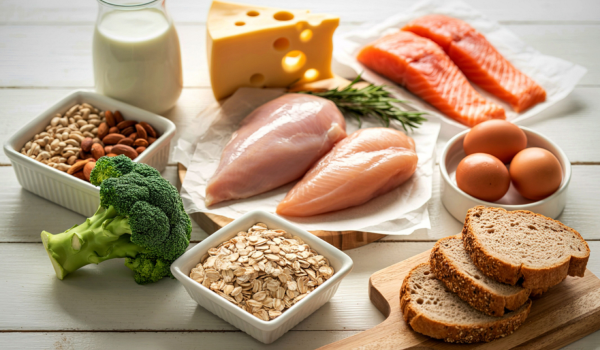
Vegetables (carrots, spinach, broccoli)
-
Lean proteins (chicken, eggs, tofu)
-
Whole grains (whole-grain noodles)
Make It At Home
Preparing soup from scratch gives you full control over ingredients. You can use low-sodium broth, fresh vegetables, and healthier seasonings.
Homemade versions are typically much better for heart health.
Final Thoughts
Between the two, canned chicken noodle soup is generally the better choice for heart health—but only slightly. Both options are high in sodium and should be consumed in moderation.
For the best results, choose low-sodium versions, improve the ingredients, or make your own soup at home to better support your heart and overall health.







.png)
.png)
.png)
.png)

.png)
.png)
.png)
.png)
.png)
.png)
.png)
.png)
.png)
.png)


.png)
.png)
.png)
.png)
.png)
.png)
.png)
.png)

