
.png)
For many years, calorie counting has been the dominant approach to managing diet and weight. While calories do play a role in energy balance, focusing only on numbers can overlook a far more important factor: the quality of those calories. Not all foods affect the body in the same way, even if they contain similar energy content.
Nutrient density shifts the focus from how much you eat to what you eat. Foods rich in vitamins, minerals, fiber, and beneficial compounds provide the body with the tools it needs to function efficiently, maintain energy, and support long-term health.
Understanding why nutrient density matters more than calories can help build a more sustainable and effective approach to nutrition that goes beyond short-term dieting.
What Nutrient Density Really Means
Nutrient density refers to the amount of essential nutrients a food provides relative to its calorie content. Foods that are nutrient-dense deliver a wide range of vitamins, minerals, and other beneficial compounds without excessive calories.
comparing nutrient-dense and calorie-dense foods
Some foods provide high amounts of energy but little nutritional value. Examples include sugary drinks, refined snacks, and highly processed foods. These items may contribute to calorie intake but offer limited vitamins, minerals, or fiber.
In contrast, nutrient-dense foods such as vegetables, fruits, whole grains, legumes, nuts, seeds, and lean proteins provide both energy and essential nutrients. These foods support overall health while helping the body function more efficiently.
For example, a serving of leafy greens may contain relatively few calories but provides important nutrients like vitamin K, folate, and antioxidants. Meanwhile, a processed snack with the same calories may lack these beneficial components.
why the body needs more than calories
Calories represent energy, but the body requires more than just energy to operate properly. Nutrients are needed for processes such as hormone regulation, immune function, tissue repair, and brain activity.
Without sufficient nutrients, the body may struggle to perform these functions effectively, even if calorie intake is adequate. This highlights why focusing solely on calories can be misleading when evaluating dietary quality.
How Nutrient Density Supports Better Health
Nutrient-dense foods provide the building blocks required for long-term health. These foods contribute to both immediate energy needs and ongoing physiological processes.
supporting metabolic function
Metabolism involves a series of chemical reactions that convert food into energy. These processes rely on vitamins and minerals such as B vitamins, magnesium, and iron.
Nutrient-dense foods supply these essential compounds, helping the body efficiently convert food into usable energy. Without adequate nutrients, metabolic processes may become less efficient.
enhancing immune system performance
A strong immune system depends on a steady intake of key nutrients. Vitamins such as vitamin C and vitamin A, along with minerals like zinc, support immune function and help the body respond to environmental challenges.
Foods such as citrus fruits, leafy greens, nuts, and seeds provide these nutrients naturally. Regular consumption of nutrient-rich foods can help maintain immune resilience.
promoting digestive health
Fiber is a key component of many nutrient-dense foods. It supports digestion, promotes regular bowel movements, and contributes to a healthy gut microbiome.
Whole grains, fruits, vegetables, and legumes are excellent sources of fiber. A balanced gut environment can influence nutrient absorption, metabolism, and overall well-being.
Why Calorie Counting Alone Falls Short
While calorie intake plays a role in weight management, focusing only on calories can overlook important aspects of nutrition.
calories do not reflect nutritional quality
Two foods with the same calorie content can have vastly different effects on the body. For example, a piece of fruit and a sugary snack may contain similar calories, but the fruit provides fiber, vitamins, and antioxidants, while the snack may provide little beyond energy.
This difference highlights why calorie counts alone do not provide a complete picture of a food's value.
impact on satiety and hunger
Nutrient-dense foods tend to be more filling because they often contain fiber, protein, and healthy fats. These components help regulate appetite and reduce the likelihood of overeating.
In contrast, calorie-dense but nutrient-poor foods may be less satisfying, leading to increased hunger and additional calorie intake.
long-term sustainability
Strict calorie-focused approaches can be difficult to maintain over time. They may also lead to restrictive eating patterns that do not support overall health.
Focusing on nutrient density encourages more balanced and flexible eating habits that can be sustained in the long term.
The Role Of Nutrient Density In Weight Management
Nutrient density can play a supportive role in maintaining a healthy weight without the need for extreme restriction.
supporting balanced energy intake
Nutrient-dense foods often provide fewer calories per volume compared to processed foods. This allows individuals to eat satisfying portions while managing overall calorie intake.
Vegetables, fruits, and whole grains can help create meals that are both filling and nutritionally rich.
reducing cravings
Meals that include protein, fiber, and healthy fats help stabilize blood sugar levels. This stability can reduce cravings for sugary or highly processed foods.
Balanced meals contribute to consistent energy levels and improved appetite control.
encouraging mindful eating habits
Focusing on food quality encourages individuals to think about how foods nourish the body rather than simply counting calories. This shift can lead to more mindful and intentional eating patterns.
Practical Ways To Prioritize Nutrient Density
Incorporating nutrient-dense foods into daily meals does not require complicated strategies. Small, consistent changes can significantly improve dietary quality.
build meals around whole foods
Choosing whole foods such as vegetables, fruits, whole grains, lean proteins, and healthy fats helps increase nutrient intake.
For example, a meal that includes grilled chicken, quinoa, and roasted vegetables provides a balance of nutrients that support energy and overall health.
increase vegetable and fruit intake
Adding more vegetables and fruits to meals is one of the simplest ways to improve nutrient density. These foods provide essential vitamins, minerals, and fiber.
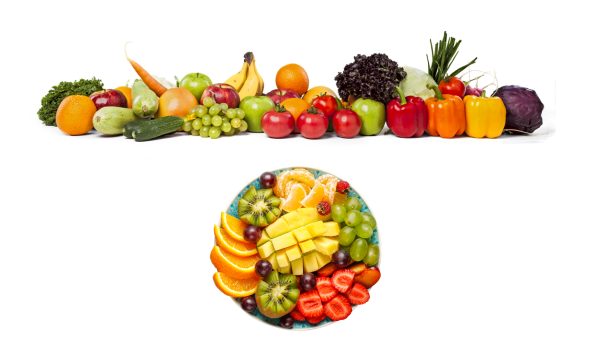
Including a variety of colors can help ensure a broader range of nutrients.
replace processed foods gradually
Instead of eliminating processed foods completely, gradually replacing them with whole food alternatives can be more sustainable.
For instance, swapping refined grains for whole grains or choosing fresh fruit instead of sugary snacks can improve nutritional quality over time.
Conclusion
While calories are an important aspect of nutrition, they do not tell the full story. Nutrient density provides a more comprehensive understanding of how food supports the body’s needs. By prioritizing foods rich in vitamins, minerals, fiber, and beneficial compounds, individuals can improve energy levels, support long-term health, and build more sustainable eating habits.
Focusing on nutrient-dense choices allows for a more balanced and flexible approach to nutrition that goes beyond simple calorie counting. Over time, these choices can contribute to improved well-being and reduced risk of chronic disease.
If you want to enhance your daily nutrition, start by choosing foods that offer more than just calories. Explore more practical nutrition insights and healthy eating strategies on Health365s to continue building a healthier lifestyle.














.png)
.png)
.png)
.png)


.png)
.png)
.png)
.png)
.png)
.png)
.png)
.png)
.png)
.png)



.png)
.png)
.png)
.png)
.png)
.png)
.png)
.png)

