.png)
Many people experience daily energy fluctuations, fatigue, or difficulty maintaining focus throughout the day. While lifestyle factors such as sleep and physical activity play important roles, nutrition remains one of the most powerful influences on how the body produces and uses energy. The quality of food choices can significantly impact physical vitality, mental clarity, and long-term health.
Whole foods provide a wide range of essential nutrients that help fuel the body efficiently. Unlike highly processed foods, whole foods retain their natural vitamins, minerals, fiber, and beneficial compounds that support multiple biological processes.
Understanding how whole foods influence energy and overall wellness can help individuals build healthier eating patterns that support sustained vitality and long-term well-being.
What Whole Foods Are And Why They Matter
Whole foods are foods that remain close to their natural state with minimal processing or modification. These foods typically contain a rich combination of nutrients that work together to support optimal health.
defining whole foods
Whole foods include fruits, vegetables, whole grains, legumes, nuts, seeds, eggs, fish, and minimally processed animal products. These foods retain their natural fiber, micronutrients, and beneficial compounds that may be lost during industrial processing.
In contrast, many ultra-processed foods contain added sugars, refined grains, artificial ingredients, and excessive sodium. While these foods can be convenient, they often lack the nutrient density required to support sustained energy and overall wellness.
Choosing whole foods more frequently helps ensure that the body receives the essential nutrients required for daily physiological functions.
the nutritional advantages of whole foods
Whole foods naturally provide complex carbohydrates, fiber, healthy fats, and high-quality protein. They also contain vitamins and minerals such as magnesium, potassium, B vitamins, and iron that support energy production and cellular health.
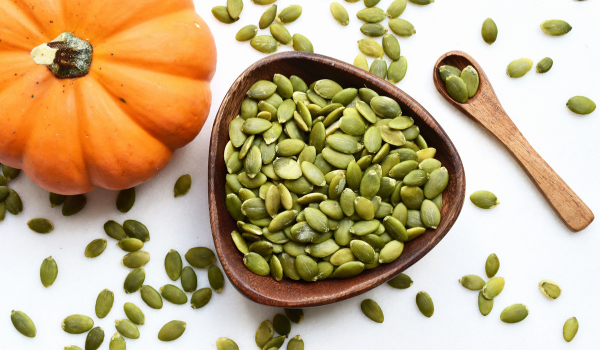
For example, whole grains provide slow-digesting carbohydrates that deliver steady energy. Leafy greens contain iron and folate that support oxygen transport and metabolic processes. Nuts and seeds supply healthy fats that contribute to long-lasting satiety and brain function.
Because these nutrients work together within the food matrix, whole foods can provide more balanced nutritional support than isolated nutrients alone.
How Whole Foods Support Stable Energy Levels
Energy production in the body depends on the efficient breakdown of carbohydrates, fats, and proteins. Whole foods support this process by providing both the fuel and the micronutrients required for metabolism.
complex carbohydrates for steady energy
Whole foods such as oats, brown rice, quinoa, sweet potatoes, and legumes provide complex carbohydrates that digest gradually. This slower digestion helps prevent rapid spikes and crashes in blood sugar levels.
Stable blood sugar levels contribute to consistent energy throughout the day and reduce feelings of fatigue or sudden hunger.
In contrast, refined carbohydrates and sugary foods are rapidly absorbed, often leading to quick bursts of energy followed by noticeable drops in energy levels.
the role of fiber in energy regulation
Fiber is a key component of many whole foods, especially fruits, vegetables, legumes, and whole grains. Fiber slows the digestion and absorption of carbohydrates, which helps maintain steady blood glucose levels.
Additionally, fiber supports digestive health by promoting beneficial gut bacteria. A healthy gut microbiome can influence energy metabolism and overall metabolic efficiency.
Regular fiber intake is also associated with improved satiety, helping individuals feel fuller for longer periods.
micronutrients that power metabolism
Energy production requires more than calories alone. The body depends on several vitamins and minerals to convert food into usable energy.
B vitamins help the body process carbohydrates and fats. Magnesium supports hundreds of enzymatic reactions involved in energy metabolism. Iron plays a critical role in transporting oxygen to cells.
Whole foods naturally supply these nutrients, making them essential components of an energy-supportive diet.
The Connection Between Whole Foods And Mental Wellness
Nutrition not only affects physical energy but also influences cognitive function, mood regulation, and mental clarity. Whole foods provide nutrients that support brain health and neurological function.
supporting brain function
The brain requires a steady supply of nutrients to function optimally. Omega-3 fatty acids found in fatty fish, walnuts, and flaxseeds contribute to brain structure and communication between nerve cells.
Antioxidants found in fruits and vegetables help protect brain cells from oxidative stress. Compounds such as flavonoids in berries and polyphenols in plant foods are studied for their potential roles in supporting cognitive health.
Consuming a variety of whole foods can help support memory, concentration, and mental resilience.
gut health and mood balance
The digestive system contains a complex network of microorganisms that interact with the nervous system. This connection, often referred to as the gut-brain axis, highlights how gut health can influence mood and mental wellness.
Whole foods rich in fiber support beneficial gut bacteria that help maintain digestive balance. Fermented foods such as yogurt, kefir, and fermented vegetables can also contribute to a healthy gut environment.
Maintaining gut health through whole foods may help support emotional well-being and mental stability.
How Whole Foods Promote Long-Term Wellness
Long-term wellness is influenced by dietary patterns that support metabolic health, immune function, and disease prevention. Whole foods contribute to these processes through their nutrient density and natural composition.
supporting cardiovascular health
Whole foods such as vegetables, fruits, legumes, whole grains, and healthy fats are commonly associated with improved heart health.
Fiber helps support healthy cholesterol levels, while potassium-rich foods like bananas and leafy greens contribute to maintaining healthy blood pressure. Healthy fats from nuts, seeds, and fish support cardiovascular balance.
Dietary patterns rich in whole foods are often associated with lower risk of cardiovascular disease.
reducing inflammation
Chronic inflammation has been linked to several health conditions. Many whole foods contain compounds that help support the body's natural inflammatory balance.
Colorful plant foods provide antioxidants and phytonutrients that help neutralize oxidative stress. Foods such as berries, leafy greens, nuts, and olive oil are commonly associated with anti-inflammatory dietary patterns.
Including a wide variety of these foods can help promote long-term health.
supporting immune resilience
Whole foods provide essential nutrients such as vitamin C, zinc, selenium, and vitamin A that support immune system function.
Citrus fruits, leafy greens, seeds, seafood, and legumes can help supply these nutrients as part of a balanced diet. Maintaining adequate nutrient intake helps the body respond effectively to environmental challenges.
Consistent consumption of whole foods strengthens the body's overall resilience.
Practical Ways To Include More Whole Foods In Daily Meals
Adopting a whole-food approach to eating does not require drastic dietary changes. Small adjustments can make meals more nutritious and satisfying.
prioritize fresh ingredients
Choosing fresh fruits, vegetables, whole grains, and lean proteins as the foundation of meals can significantly increase nutrient intake.
For example, replacing refined grains with whole grains or adding vegetables to pasta dishes can improve the nutritional value of familiar meals.
build balanced meals
Balanced meals typically include vegetables, whole grains or complex carbohydrates, lean protein sources, and healthy fats.
A meal such as grilled fish with roasted vegetables and quinoa provides a variety of nutrients that support energy production and metabolic balance.
Balanced meals also help prevent excessive hunger between meals.
prepare meals at home more often
Home cooking allows greater control over ingredients and portion sizes. Preparing meals using fresh ingredients can help reduce reliance on processed foods that may contain added sugars, refined oils, and excessive sodium.
Even simple meals made from whole ingredients can contribute significantly to overall wellness.
Conclusion
Whole foods provide the essential nutrients the body needs to maintain steady energy levels, support mental clarity, and promote long-term health. By emphasizing fruits, vegetables, whole grains, lean proteins, and healthy fats, individuals can nourish their bodies in a way that supports both physical vitality and overall wellness.
Rather than focusing on restrictive diets, building meals around whole foods offers a sustainable and balanced approach to nutrition. Small changes, such as replacing processed foods with more natural ingredients, can have lasting benefits.
To continue improving your nutrition and daily energy, explore more healthy eating insights and practical nutrition guides on Health365s and take the next step toward a healthier lifestyle.




















.png)
.png)
.png)
.png)


.png)
.png)
.png)
.png)
.png)
.png)
.png)
.png)
.png)
.png)




.png)
.png)
.png)
.png)
.png)
.png)
.png)
.png)