
.png)
Food packaging is filled with claims like “low fat,” “high protein,” or “all natural,” but these phrases do not always reflect the true nutritional value of a product. For many people, nutrition labels can feel confusing or overwhelming, leading to choices based on marketing rather than facts.
Learning how to read nutrition labels is one of the most practical skills for building a healthier diet. It allows you to look beyond packaging claims and understand exactly what you are putting into your body.
With a few simple strategies, nutrition labels can become a powerful tool to help you choose foods that support balanced nutrition, steady energy, and long-term health.
Understanding The Structure Of A Nutrition Label
Nutrition labels are designed to provide detailed information about the contents of a food product. Knowing how to interpret each section makes it easier to evaluate the overall quality of the food.
serving size and servings per container
The serving size is one of the most important details on the label. All nutritional values are based on this portion, not necessarily the entire package.
For example, a snack package may contain two or three servings, even though it appears to be a single portion. If the entire package is consumed, the calories, sugar, and other nutrients should be multiplied accordingly.
Understanding serving size helps avoid underestimating how much is actually being consumed.
calories and energy content
Calories indicate the amount of energy provided by a food. While calories are important, they do not reflect the nutritional quality of the food.
A product with moderate calories but low nutritional value may be less beneficial than a slightly higher-calorie food rich in vitamins, minerals, and fiber.
Calories should be considered alongside the overall nutrient profile rather than in isolation.
Key Nutrients To Pay Attention To
Not all nutrients carry the same weight when it comes to supporting health. Focusing on key components can help identify more nutritious choices.
fiber for digestive health
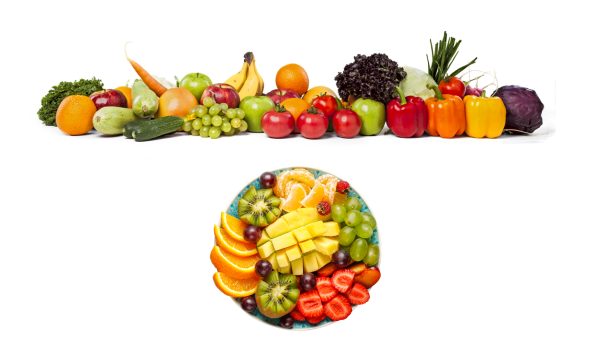
Dietary fiber is an important indicator of a nutrient-dense food. Higher fiber content is often associated with whole grains, legumes, fruits, and vegetables.
Fiber supports digestion, helps regulate blood sugar levels, and contributes to satiety. Choosing foods with higher fiber content can improve overall diet quality.
protein for satiety and muscle support
Protein helps maintain muscle health and promotes feelings of fullness. Foods with adequate protein can help prevent excessive snacking and support balanced energy levels.
When comparing products, selecting options with higher protein content can be beneficial, especially for meals and snacks.
fats: choosing the right types
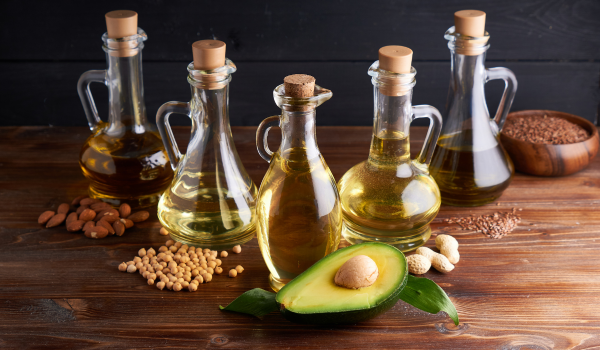
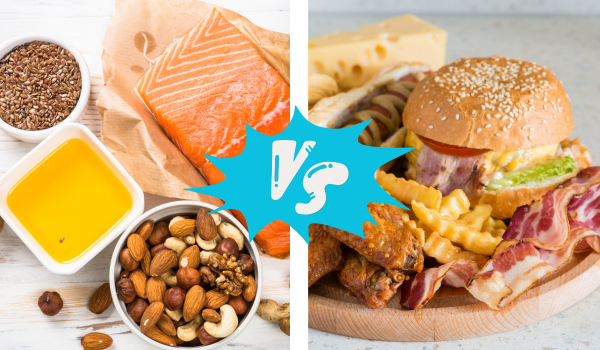
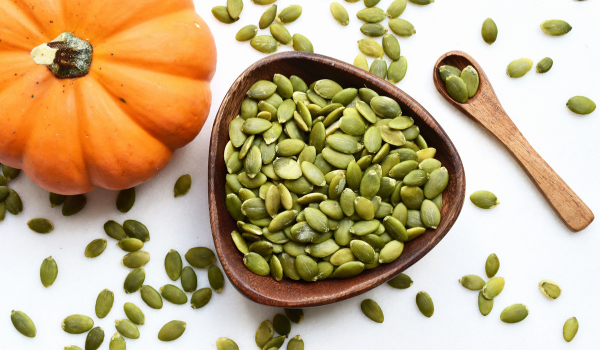
Fats are an essential nutrient, but the type of fat matters. Unsaturated fats found in foods like nuts, seeds, and olive oil are generally considered beneficial.
Limiting trans fats and excessive saturated fats is often recommended for maintaining heart health. Checking the label can help identify the types of fats present in a product.
added sugars and hidden sweeteners
Added sugars are commonly found in many processed foods, including products that may not taste particularly sweet.
High intake of added sugars can contribute to energy imbalances and may impact long-term health. Looking for products with lower added sugar content can support better nutritional choices.
How To Read The Ingredient List Effectively
The ingredient list provides valuable insight into what a product is made of. This section often reveals more about food quality than the nutrition panel alone.
ingredients are listed by quantity
Ingredients are listed in descending order by weight. This means the first few ingredients make up the largest portion of the product.
If added sugars, refined grains, or artificial ingredients appear near the top of the list, the product may be less nutrient-dense.
recognizing whole food ingredients
Products with simple, recognizable ingredients are often better choices. Whole grains, nuts, seeds, and natural ingredients indicate a higher-quality product.
Shorter ingredient lists are not always better, but they can sometimes suggest less processing.
identifying hidden additives
Some products contain additives such as preservatives, artificial flavors, or colorings. While not all additives are harmful, being aware of their presence can help guide more informed decisions.
Understanding ingredient lists helps ensure that food choices align with personal health goals.
Common Marketing Claims And What They Really Mean
Food packaging often includes marketing claims designed to attract attention. These claims can be helpful but should be interpreted carefully.
“low fat” or “fat free”
Products labeled as low fat may still contain added sugars or refined carbohydrates to improve taste. Removing fat does not automatically make a product healthier.
It is important to check the full nutrition label rather than relying on a single claim.
“high protein”
High-protein products can be beneficial, but they may also contain added sugars, artificial ingredients, or excessive sodium.
Evaluating the entire nutrient profile ensures that the product aligns with overall nutritional goals.
“natural” or “organic”
These terms do not always guarantee that a product is nutrient-dense. Organic products may still contain added sugars or processed ingredients.
Reading the nutrition label and ingredient list remains essential, regardless of these claims.
Practical Tips For Using Nutrition Labels In Daily Life
Understanding nutrition labels is most useful when applied consistently during everyday shopping and meal planning.
compare similar products
When choosing between similar items, comparing nutrition labels can help identify the more nutritious option. Look for differences in fiber, protein, added sugars, and ingredient quality.
Even small differences can add up over time.
focus on overall balance
No single food needs to be perfect. Instead, aim for balance across meals and throughout the day.
Using nutrition labels to guide choices can help build meals that include a variety of nutrients.
prioritize whole foods when possible
While nutrition labels are useful, many whole foods such as fruits, vegetables, and fresh proteins do not require labels at all.
Building meals around whole foods reduces the need to rely heavily on packaged products and simplifies healthy eating.
Common Mistakes When Reading Nutrition Labels
Even with good intentions, certain misunderstandings can lead to less informed choices.
focusing only on calories
Calories alone do not provide a complete picture of a food’s nutritional value. A balanced approach considers nutrients such as fiber, protein, and healthy fats.
ignoring portion sizes
Misinterpreting serving sizes can lead to consuming more nutrients, sugars, or calories than intended.
Always consider how much of the product is actually being eaten.
trusting front-of-package claims
Front labels are designed for marketing. The detailed nutrition panel and ingredient list provide a more accurate representation of the product.
Conclusion
Learning how to read nutrition labels is a valuable skill that empowers you to make healthier food choices. By understanding serving sizes, key nutrients, ingredient lists, and marketing claims, it becomes easier to select foods that support balanced nutrition and long-term health.
Rather than relying on packaging claims, using nutrition labels as a guide helps build a more informed and intentional approach to eating. Over time, these small decisions can lead to meaningful improvements in overall well-being.
Start applying these strategies during your next grocery trip and take control of your food choices. Explore more practical nutrition tips and healthy eating guides on Health365s to continue building a healthier lifestyle.











.png)
.png)
.png)
.png)

.png)
.png)
.png)
.png)
.png)
.png)
.png)
.png)
.png)
.png)



.png)
.png)
.png)
.png)
.png)
.png)
.png)
.png)

