
.png)
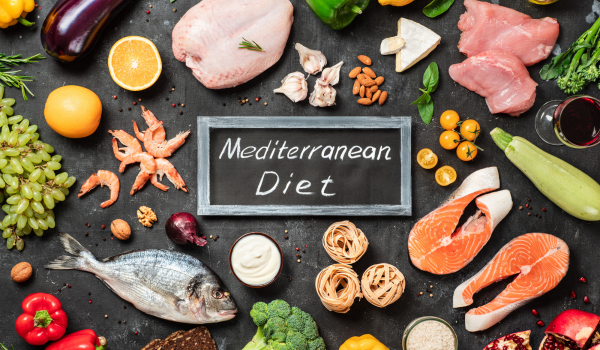
The Mediterranean diet is often recognized as one of the most well-researched and effective approaches to healthy eating. Unlike short-term diet trends, it is supported by decades of scientific studies that consistently highlight its benefits for long-term health. Rooted in traditional eating patterns of Mediterranean regions, this diet emphasizes whole foods, healthy fats, and balanced meals.
What makes the Mediterranean diet unique is not just the foods it includes, but how these foods work together to support the body. From heart health to cognitive function, research continues to show that this dietary pattern offers wide-ranging benefits.
Understanding the science behind the Mediterranean diet can help you see why it remains one of the most recommended eating patterns for overall wellness.
How The Mediterranean Diet Supports Heart Health
Cardiovascular health is one of the most well-documented benefits of the Mediterranean diet. Numerous studies have shown that this dietary pattern is associated with a reduced risk of heart disease.
the role of healthy fats
One of the defining features of the Mediterranean diet is its emphasis on healthy fats, particularly from olive oil, nuts, and fatty fish. These fats are rich in monounsaturated and omega-3 fatty acids, which support heart health.
Research suggests that replacing saturated fats with healthier fats can help improve cholesterol levels and support overall cardiovascular function.
fiber and plant-based foods
The diet includes a high intake of fruits, vegetables, whole grains, and legumes, all of which provide dietary fiber. Fiber plays an important role in maintaining healthy cholesterol levels and supporting digestion.
These plant-based foods also contain antioxidants that help protect blood vessels and reduce oxidative stress.
The Impact On Inflammation And Chronic Disease
Chronic inflammation is linked to many long-term health conditions. The Mediterranean diet includes foods that help support the body’s natural balance and reduce inflammation.
antioxidants and phytonutrients
Fruits, vegetables, herbs, and spices in the Mediterranean diet provide antioxidants and phytonutrients. These compounds help neutralize free radicals and protect cells from damage.
Studies have shown that diets rich in these compounds are associated with a lower risk of chronic diseases.
balanced fat intake
Healthy fats from olive oil and fish contribute to anti-inflammatory effects. Omega-3 fatty acids, in particular, are known for their role in supporting inflammatory balance.
This combination of nutrients helps create an environment that supports long-term health.
Benefits For Brain Health And Cognitive Function
The Mediterranean diet has also been linked to improved brain health and cognitive performance.
supporting memory and mental clarity
Nutrients such as omega-3 fatty acids, antioxidants, and vitamins play a role in maintaining brain function. These nutrients help support communication between brain cells and protect against oxidative stress.
Research suggests that following a Mediterranean-style diet may be associated with better memory and reduced risk of cognitive decline.
the connection between diet and brain aging
Dietary patterns that emphasize whole foods and healthy fats may help slow age-related changes in the brain. Antioxidants from plant foods help protect neurons, while healthy fats support brain structure.
This combination contributes to long-term cognitive health.
How The Mediterranean Diet Supports Metabolic Health
Metabolic health involves how the body processes and uses energy. The Mediterranean diet supports this process through balanced nutrition.
blood sugar regulation
Whole grains, legumes, and fiber-rich foods help regulate blood sugar levels by slowing digestion. This helps prevent rapid spikes and crashes in glucose levels.
Stable blood sugar supports consistent energy and reduces the risk of metabolic disorders.
supporting healthy weight management
The Mediterranean diet encourages nutrient-dense foods that promote satiety. Meals that include fiber, protein, and healthy fats help reduce overeating.
Unlike restrictive diets, this approach supports sustainable weight management through balanced eating habits.
The Role Of Lifestyle In Mediterranean Health Benefits
The benefits of the Mediterranean diet are not limited to food choices alone. Lifestyle factors also play an important role.
mindful and social eating
Meals in Mediterranean cultures are often enjoyed slowly and shared with others. This approach encourages mindful eating and helps improve digestion and satisfaction.
physical activity and daily movement
Regular physical activity is a natural part of the Mediterranean lifestyle. Combining balanced nutrition with movement supports overall health.
These lifestyle habits enhance the benefits of the diet and contribute to long-term wellness.
Scientific Evidence Supporting The Mediterranean Diet
The Mediterranean diet is supported by numerous scientific studies and clinical trials.
long-term observational studies
Population studies have shown that people who follow a Mediterranean-style diet tend to have lower rates of heart disease, certain cancers, and other chronic conditions.
These findings highlight the long-term benefits of consistent dietary patterns.
clinical research findings
Clinical studies have demonstrated improvements in cholesterol levels, blood pressure, and inflammatory markers among individuals following the Mediterranean diet.
These measurable outcomes provide strong evidence of its effectiveness.
Practical Ways To Apply The Mediterranean Diet
Applying the Mediterranean diet does not require drastic changes. Small steps can help incorporate its principles into daily life.
focus on whole foods
Choose fresh, minimally processed foods such as vegetables, fruits, whole grains, legumes, and lean proteins.
use healthy fats
Replace butter and processed oils with olive oil and include nuts and seeds in meals.
increase plant-based meals
Incorporate more plant-based dishes and reduce reliance on processed foods.
These simple changes can help build a sustainable and balanced eating pattern.
Conclusion
The Mediterranean diet stands out as one of the most scientifically supported approaches to healthy eating. Its emphasis on whole foods, healthy fats, and balanced meals contributes to improved heart health, reduced inflammation, better cognitive function, and overall wellness.
Rather than focusing on restriction, it offers a flexible and enjoyable way to eat that supports long-term health. By adopting its principles, individuals can build sustainable habits that benefit both body and mind.
Start incorporating Mediterranean-style foods into your meals today and explore more nutrition insights on Health365s to continue improving your health and lifestyle.

.png)





















.png)
.png)
.png)
.png)


.png)
.png)
.png)
.png)
.png)
.png)
.png)
.png)
.png)
.png)



.png)
.png)
.png)
.png)
.png)

