
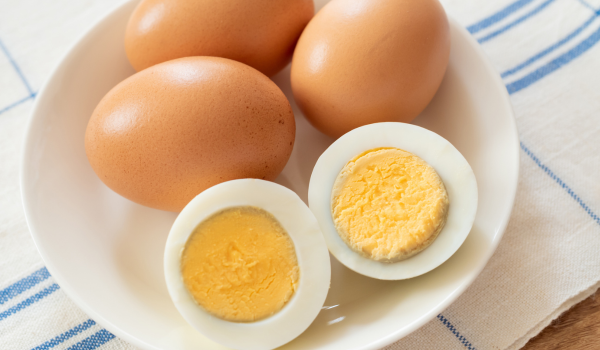
Eggs are widely known as a convenient source of protein, but emerging research suggests they may also play a role in supporting bone health.
A recent study found that people who ate more whole eggs tended to have higher bone mineral density in important areas such as the hips and spine. While eggs are not especially high in calcium, they provide several nutrients that may contribute to stronger bones.
This does not mean eggs can prevent osteoporosis on their own, but they may be a useful addition to a balanced diet designed to support skeletal health.
What The Research Found
Researchers analyzed data from more than 19,000 adults who participated in the U.S. National Health and Nutrition Examination Survey.
They compared participants’ egg intake with measurements of bone mineral density, or BMD.
Higher Egg Intake Was Linked To Higher Bone Density
People who consumed about 3.5 ounces of whole eggs per day, roughly equivalent to two large eggs, tended to have higher bone mineral density in the femur and lumbar spine.
These are important areas because fractures involving the hip and spine are common complications of osteoporosis.
However, this type of research shows an association rather than proving that eating eggs directly causes stronger bones.
What Is Bone Mineral Density?
Bone mineral density measures the amount of minerals, including calcium and phosphorus, packed into your bones.
Higher bone density generally indicates stronger bones, while lower bone density may increase fracture risk.
Low Bone Density Can Lead To Osteoporosis
Osteoporosis is a condition in which bones become weaker and more fragile over time.
People with osteoporosis may experience fractures from relatively minor falls or injuries.
The condition becomes more common with age, particularly among women after menopause.
Why Bone Density Declines With Age
Bones are constantly being broken down and rebuilt.
When you are young, the body generally builds bone faster than it loses it. As people age, this balance gradually changes.
Eventually, bone breakdown may occur faster than new bone formation.
Menopause Can Accelerate Bone Loss
Estrogen helps maintain bone strength.
After menopause, estrogen levels fall significantly, which can accelerate bone loss and increase osteoporosis risk.
This is one reason older women are particularly vulnerable to low bone density.
Other Risk Factors For Osteoporosis
Age is not the only factor that affects bone strength.
Other factors that may increase osteoporosis risk include:
- Low calcium intake
- Vitamin D deficiency
- Low protein intake
- Physical inactivity
- Smoking
- Heavy alcohol consumption
- Low body weight
- Family history of osteoporosis
- Long-term corticosteroid use
- Certain hormonal conditions
- Some digestive disorders that reduce nutrient absorption
Supporting bone health therefore requires a combination of nutrition, exercise, and healthy lifestyle habits.
Why Eggs May Support Bone Health
Eggs do not contain large amounts of calcium, so researchers believe their potential bone benefits may come from other nutrients and biological effects.
One possible explanation involves an enzyme known as alkaline phosphatase.
Alkaline Phosphatase And Bone Metabolism
Alkaline phosphatase, or ALP, is a group of enzymes found in several tissues, including bone.
These enzymes are involved in bone formation and mineralization.
Researchers found that changes involving ALP appeared to explain a significant portion of the association between egg consumption and bone mineral density.
More research is needed to understand exactly how eating eggs might influence this process.
Eggs Provide Vitamin D
Vitamin D plays a major role in bone health because it helps the body absorb calcium.
Without enough vitamin D, even a calcium-rich diet may not adequately support bone mineralization.
Egg yolks provide a small amount of naturally occurring vitamin D.
Other Vitamin D Sources Include
- Fatty fish
- Fortified milk
- Fortified plant-based beverages
- Egg yolks
- Sunlight exposure
Some people may also need supplements if they cannot get enough through diet and sunlight.
Eggs Are A Good Source Of Protein
One large egg provides roughly six grams of high-quality protein.
Protein is essential for maintaining both muscles and bones.
It contributes to:
- Bone structure
- Muscle maintenance
- Calcium metabolism
- Tissue repair
- Healthy aging
Strong muscles also protect bones indirectly by improving balance and reducing the risk of falls.
Other Bone-Supporting Nutrients In Eggs
Eggs provide several additional nutrients involved in overall bone health.
These include:
- Phosphorus
- Zinc
- Selenium
- Vitamin B12
- Vitamin D
- High-quality protein
No single nutrient determines bone strength, but these compounds can contribute as part of a balanced diet.
Can Eggs Prevent Osteoporosis?
It is too early to say that eating eggs directly prevents osteoporosis.
The available research suggests an association between egg consumption and higher bone mineral density, but researchers still need larger and longer-term clinical studies.
Eggs Should Be Part Of A Broader Strategy
Protecting your bones requires more than adding one food to your diet.
A bone-friendly lifestyle should also include:
- Adequate calcium
- Sufficient vitamin D
- Enough protein
- Strength training
- Weight-bearing exercise
- Healthy body weight
- Avoiding smoking
- Limiting excessive alcohol
Eggs can complement these habits rather than replace them.
How Many Eggs Can You Eat?
For many healthy adults, moderate egg consumption can fit comfortably into a balanced diet.
Research increasingly suggests that eating around one egg per day is generally compatible with cardiovascular health for most people.
Some individuals may be able to eat more depending on their overall diet and health status.
Consider Your Whole Diet
The health impact of eggs depends partly on what you eat with them.
For example, eggs served with vegetables, whole grains, and healthy fats create a very different meal from eggs frequently paired with processed meats and fried foods.
What About Cholesterol?
Egg yolks contain dietary cholesterol, which has historically caused concern about heart disease.
However, dietary cholesterol does not affect blood cholesterol equally in everyone.
For many healthy adults, moderate egg intake appears unlikely to cause significant problems when included in an overall nutritious diet.
Who Should Be More Careful
People with:
- High LDL cholesterol
- Familial hypercholesterolemia
- Cardiovascular disease
- Diabetes
- Other cholesterol-related conditions
should discuss their ideal egg intake with a healthcare provider or registered dietitian.
Healthiest Ways To Cook Eggs
Cooking method can influence the overall nutritional quality of an egg-based meal.
Boiled Eggs
Boiling requires no added oil and is one of the simplest options.
Poached Eggs
Poaching also avoids added fats while keeping the yolk soft.
Lightly Scrambled Eggs
Scrambling eggs with a small amount of olive oil can be another nutritious option.
Vegetable Omelets
Adding spinach, mushrooms, peppers, tomatoes, or onions provides extra vitamins, minerals, and fiber.
Try to avoid regularly cooking eggs with large amounts of butter, processed meat, or excessive salt.
Healthy Foods To Pair With Eggs
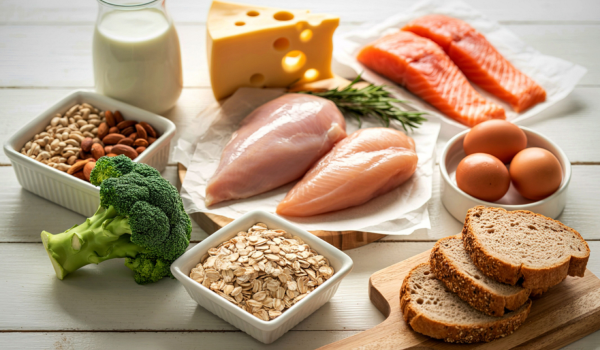
Eggs can become part of a more complete bone-supporting meal when combined with other nutrient-rich foods.
Vegetables
Leafy greens and other vegetables provide vitamins, minerals, and antioxidants.
Whole Grains
Whole-grain toast, oatmeal, and other grains provide fiber and complex carbohydrates.
Avocado
Avocado provides healthy fats and potassium.
Dairy Foods
Milk, yogurt, and cheese can significantly increase calcium intake.
Fruit
Adding fruit provides vitamin C and antioxidants that support overall health.
Breakfast Ideas For Bone Health
You can combine eggs with other nutrient-rich foods in simple meals.
Veggie Omelet
Prepare eggs with spinach, mushrooms, tomatoes, and a small amount of cheese.
Egg And Avocado Toast
Serve a boiled or poached egg on whole-grain toast with avocado.
Egg And Yogurt Breakfast
Pair eggs with Greek yogurt and berries for additional protein and calcium.
Egg Breakfast Bowl
Combine eggs with quinoa, vegetables, beans, and avocado.
These combinations provide a broader range of nutrients than eggs alone.
Do You Still Need Calcium-Rich Foods?
Yes.
Eggs should not replace traditional calcium-rich foods because they contain only a small amount of calcium.
Good calcium sources include:
- Milk
- Yogurt
- Cheese
- Fortified plant milk
- Sardines
- Canned salmon with bones
- Calcium-set tofu
- Leafy green vegetables
Adults should aim to meet their recommended daily calcium intake through food whenever possible.
Exercise Is Just As Important
Nutrition is only one part of preventing age-related bone loss.
Exercise, particularly resistance and weight-bearing activity, directly stimulates bones.
Bone-Supporting Exercises Include
- Strength training
- Walking
- Hiking
- Stair climbing
- Jogging
- Dancing
Regular strength training also builds muscle, improving balance and reducing fall risk.
Final Thoughts
Emerging research suggests that eating whole eggs may be associated with higher bone mineral density, particularly in the hips and spine.
Eggs may support bone health through their protein, vitamin D, phosphorus, zinc, and possible effects on enzymes involved in bone metabolism.
However, eggs are not a replacement for calcium-rich foods, exercise, or other osteoporosis-prevention strategies.
For most people, incorporating eggs into a balanced diet alongside adequate calcium, vitamin D, protein, and regular strength training may be a simple way to support stronger bones as they age.

.png)










.png)
.png)
.png)
.png)

.png)
.png)
.png)
.png)
.png)
.png)
.png)
.png)
.png)
.png)



.png)
.png)
.png)
.png)
.png)
.png)

