
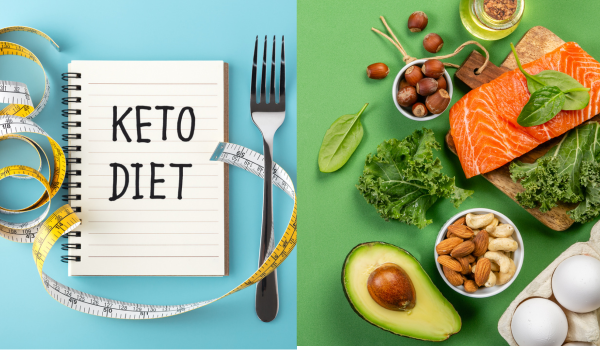
Following a ketogenic or low-carb diet often means reducing or completely avoiding regular sugar. However, many people still want sweet flavors in coffee, desserts, smoothies, or baked foods. That’s where keto-friendly sweeteners can help.
The best keto sweeteners contain very few digestible carbohydrates and have minimal impact on blood sugar levels. Some are naturally derived from plants, while others belong to a group called sugar alcohols.
Although these sweeteners may support a low-carb lifestyle, each option comes with different tastes, textures, digestive effects, and cooking properties. Understanding how they work can help you choose the best option for your personal diet and health goals.
Stevia
Stevia is one of the most popular keto-friendly sweeteners and comes from the leaves of the stevia plant, originally native to South America.
It is extremely sweet, often estimated to be 200 to 400 times sweeter than regular table sugar, so only very small amounts are needed.
Stevia contains little to no calories or carbohydrates and generally has minimal effect on blood sugar levels, making it a common choice for people following low-carb or diabetic-friendly diets.
It works especially well in coffee, tea, smoothies, and cold drinks. However, because of its intense sweetness and slightly herbal aftertaste, it may not always perform well in large baking recipes.
Some people may experience side effects such as bloating, nausea, dizziness, or digestive discomfort. Since stevia may also lower blood sugar or blood pressure slightly, individuals taking related medications should speak with a healthcare provider before using it regularly.
Monk Fruit
Monk fruit, also called Luo Han Guo, is a natural sweetener derived from a fruit native to China.
This sweetener contains very few calories and carbohydrates while being approximately 100 to 250 times sweeter than table sugar.
Monk fruit has become increasingly popular among keto followers because it generally does not raise blood sugar levels and is considered suitable for low-carb diets.
It can be used in beverages, sauces, salad dressings, and many baked recipes. However, some products blend monk fruit with other sweeteners or fillers, so checking ingredient labels is important.
Compared to some artificial sweeteners, monk fruit is often considered one of the more natural-tasting alternatives.
Erythritol
Erythritol is a sugar alcohol naturally found in certain fruits and fermented foods.
It contains almost no calories and is roughly 60 to 80 percent as sweet as regular sugar. One reason erythritol is so popular on keto diets is that it usually has very little effect on blood glucose or insulin levels.
Compared to other sugar alcohols, erythritol may also cause fewer digestive side effects for many people.
It works well in coffee, tea, desserts, and baking recipes. However, erythritol often creates a cooling sensation in the mouth that some people may find unpleasant, especially in larger amounts.
Xylitol
Xylitol is another sugar alcohol commonly used as a sugar substitute.
It has a sweetness level similar to regular sugar but contains fewer calories and carbohydrates. Xylitol is also frequently used in sugar-free chewing gum, toothpaste, and dental products because it does not contribute to tooth decay the way regular sugar does.
Many people use xylitol in coffee, tea, and smoothies. However, excessive intake may cause bloating, cramps, or diarrhea because sugar alcohols can be difficult for some individuals to digest.
It is also important to note that xylitol is highly toxic to dogs and should always be kept away from pets.
Maltitol
Maltitol is a sugar alcohol commonly found in “sugar-free” candies, desserts, gums, and processed snack foods.
It contains fewer calories than regular sugar and is approximately 75 to 90 percent as sweet.
Although maltitol is lower in carbohydrates than sugar, it may still raise blood sugar more than some other keto sweeteners, especially when consumed in larger quantities.
Some people also experience digestive side effects such as gas, cramps, or diarrhea after consuming too much maltitol.
Because of its texture and melting properties, maltitol is often used in products such as sugar-free chocolate and ice cream.
Yacon Syrup
Yacon syrup is made from the roots of the yacon plant, which is traditionally grown in South America.
It contains fewer calories than regular sugar and provides fructooligosaccharides, a type of soluble fiber that the body does not fully digest.
These fibers may help support digestive health and healthy cholesterol levels. However, because yacon syrup still contains some carbohydrates and natural sugars, it may not be ideal for stricter ketogenic diets.
Yacon syrup works best in coffee, tea, smoothies, and cold recipes. It does not perform well in high-temperature cooking because heat may break down some of its beneficial compounds.
Some individuals may also experience bloating, cramps, or digestive discomfort after consuming larger amounts.
Other Keto-Friendly Sweeteners
Several other low-carb sweeteners are sometimes used in keto products and recipes, including:
- Isomalt
- Lactitol
- Sorbitol
- Mannitol
- Hydrogenated starch hydrolysates
However, even if a sweetener itself is low in carbohydrates, packaged foods containing these ingredients may still contain hidden sugars or starches. Reading nutrition labels carefully is always important.
Sweeteners That May Not Work Well On Keto
Certain sweeteners are typically avoided on ketogenic diets because they contain high amounts of carbohydrates and may increase blood sugar levels significantly.
Natural Sweeteners Higher In Carbohydrates
Examples include:
- Honey
- Maple syrup
- Molasses
- Agave nectar
- Cane sugar
- Beet sugar
- Maltose
Although some of these are considered “natural,” they still contain substantial amounts of sugar.
Artificial Sweeteners To Watch Carefully
Some artificial sweeteners may technically be low-carb but are often found in highly processed products. Certain products may also contain fillers such as dextrose or maltodextrin that can raise blood sugar.
Examples include:
- Aspartame
- Saccharin
- Sucralose
- Acesulfame potassium
- Dextrose-based sweeteners
Choosing The Best Keto Sweetener
The ideal keto sweetener depends on personal goals, taste preferences, digestive tolerance, and how the sweetener will be used.
For many people, stevia, monk fruit, and erythritol are among the most popular choices because they are low in carbohydrates and generally have minimal effects on blood sugar.
However, moderation still matters. Even keto-friendly sweeteners may increase cravings for sweet foods in some individuals or contribute to digestive discomfort when consumed excessively.
A balanced low-carb diet focused primarily on whole foods remains the foundation of long-term metabolic health.

.png)




.png)
.png)
.png)
.png)
.png)
.png)
.png)
.png)
.png)
.png)
.png)
.png)
.png)
.png)



.png)
.png)
.png)
.png)
.png)
.png)

