.png)
Modern diets often become repetitive, focusing on a limited range of foods that are convenient or familiar. While this may simplify daily meal choices, it can also reduce the variety of nutrients the body receives. Food diversity plays a key role in building a well-rounded diet that supports overall health, energy, and long-term wellness.
Rather than relying on a few staple foods, including a wide range of ingredients helps ensure that the body receives different vitamins, minerals, and beneficial compounds. Each food brings its own unique nutritional profile, and combining them creates a more complete foundation for health.
Understanding food diversity and its impact on nutrition can help you build meals that are both balanced and nutritionally rich.
What Food Diversity Means In Nutrition
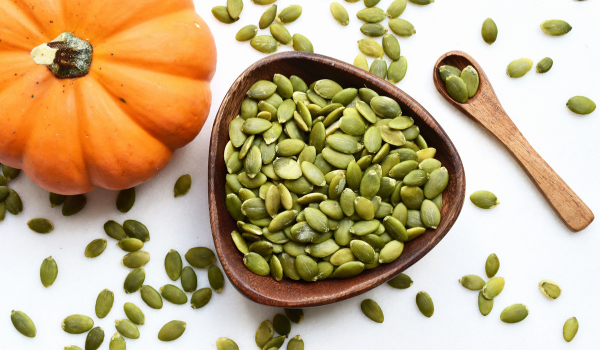
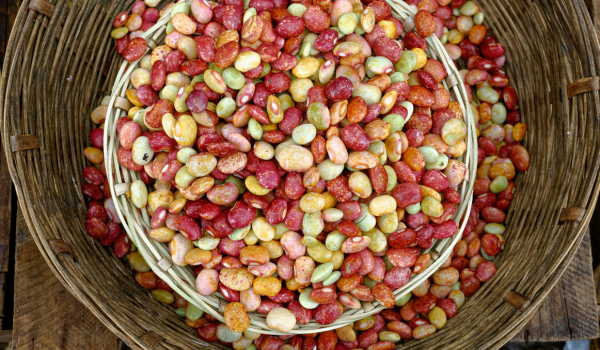
Food diversity refers to the variety of foods consumed across different food groups and within each group. It goes beyond simply eating fruits and vegetables to include a wide range of options within those categories.
variety across food groups
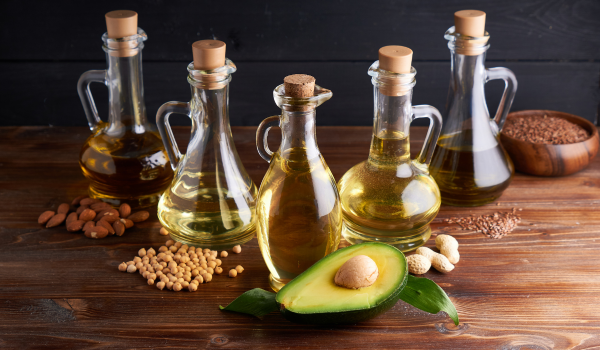
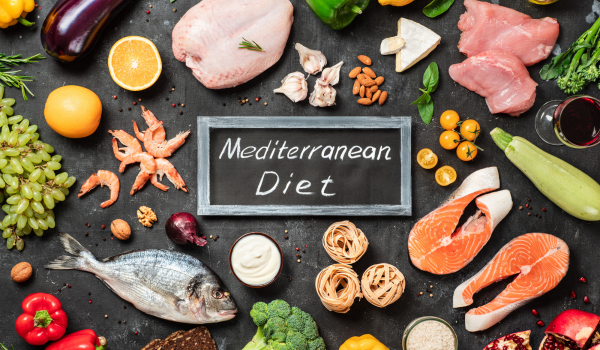
A diverse diet includes vegetables, fruits, whole grains, proteins, and healthy fats. Each group contributes different nutrients that support various bodily functions.
For example, vegetables provide fiber and antioxidants, while proteins support muscle health and repair.
variety within food groups
Food diversity also means choosing different types of foods within each group. Instead of eating the same vegetables every day, rotating options such as leafy greens, root vegetables, and colorful produce can improve nutrient intake.
This approach helps prevent nutrient gaps and supports overall balance.
Why Food Diversity Is Important For Health
Including a variety of foods in your diet offers multiple benefits that support long-term health.
ensuring a wide range of nutrients
Different foods contain different combinations of vitamins and minerals. By eating a variety of foods, you increase the likelihood of meeting your nutritional needs.
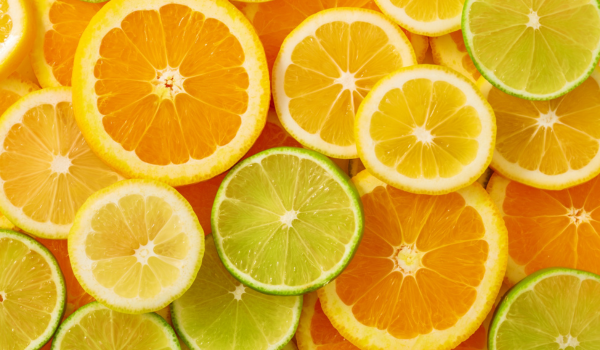
For example, citrus fruits provide vitamin C, while leafy greens offer folate and vitamin K.
supporting gut health
A diverse diet supports a healthy gut microbiome. Different types of fiber feed different beneficial bacteria in the digestive system.
A balanced gut microbiome plays a role in digestion, immunity, and overall health.
reducing the risk of nutrient deficiencies
Eating the same foods repeatedly can lead to gaps in nutrient intake. Food diversity helps reduce this risk by providing a broader range of nutrients.
The Role Of Color In Food Diversity
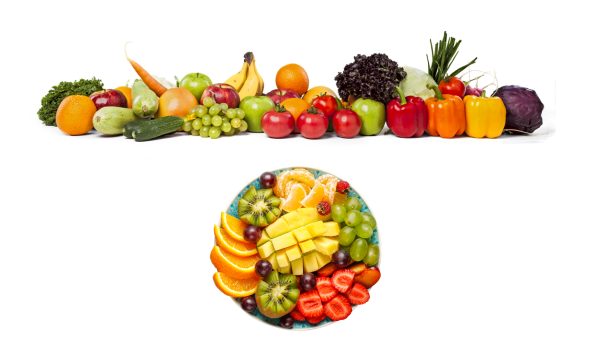
Color is a simple and effective way to increase variety in your diet.
different colors, different nutrients
Fruits and vegetables of different colors contain different phytonutrients. For example, orange foods often contain beta-carotene, while dark green vegetables provide iron and calcium.
Including a range of colors helps ensure a more complete nutrient profile.
building colorful meals
Adding a variety of colors to meals not only improves nutrition but also enhances visual appeal and enjoyment.
Colorful meals are often more satisfying and encourage healthier eating habits.
How Food Diversity Supports Long-Term Wellness
Food diversity contributes to overall well-being in several ways.
supporting immune function
A wide range of nutrients supports the immune system’s ability to function effectively.
Vitamins, minerals, and antioxidants from diverse foods help protect the body from environmental stress.
improving energy levels
Balanced nutrition supports consistent energy throughout the day. Including a variety of foods helps provide the nutrients needed for energy production.
enhancing dietary sustainability
A diverse diet is more enjoyable and less restrictive, making it easier to maintain over time.
Variety prevents boredom and encourages long-term adherence to healthy eating habits.
Practical Ways To Increase Food Diversity
Incorporating more variety into your diet can be simple with a few practical strategies.
try new foods regularly
Introducing new fruits, vegetables, grains, or protein sources can expand your diet and improve nutrient intake.
Even small changes, such as trying a different vegetable each week, can make a difference.
rotate ingredients
Instead of using the same ingredients repeatedly, rotate different options throughout the week.
For example, alternate between rice, quinoa, and whole wheat products as grain sources.
combine multiple food groups in meals
Building meals that include several food groups helps increase diversity. For example, a meal with vegetables, grains, protein, and healthy fats provides a range of nutrients.
Common Mistakes To Avoid
While aiming for diversity, certain habits can limit effectiveness.
relying on the same “healthy” foods
Even nutritious foods can lead to imbalance if consumed repeatedly without variation.
overcomplicating meal planning
Trying to include too many new foods at once can be overwhelming. Gradual changes are more sustainable.
ignoring balance
Variety should be combined with balanced portions to ensure proper nutrition.
Conclusion
Food diversity is a key component of a healthy diet, helping ensure that the body receives a wide range of essential nutrients. By including a variety of foods across and within food groups, it becomes possible to support energy, digestion, and overall well-being.
Simple strategies such as adding more colors to meals, rotating ingredients, and trying new foods can make a meaningful difference. Over time, these habits contribute to a more balanced and sustainable approach to nutrition.
Start exploring new foods and adding variety to your meals today. Discover more practical nutrition tips and healthy eating guides on Health365s to continue building a healthier lifestyle.

.png)









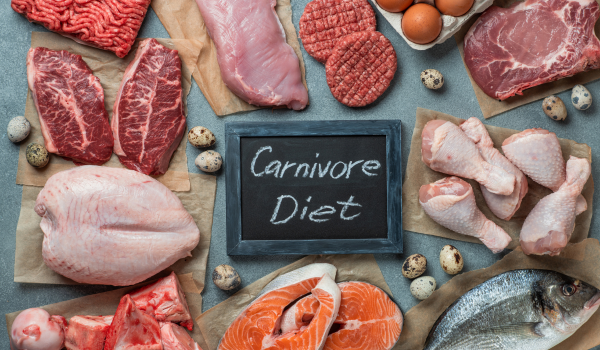
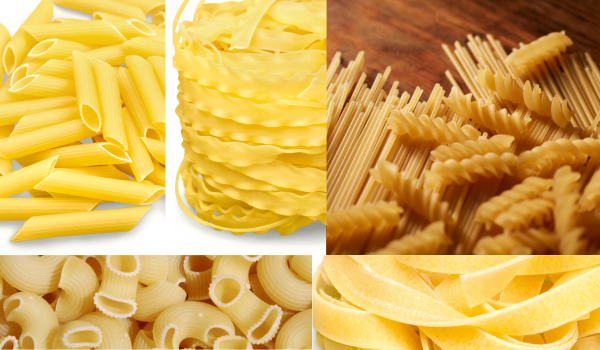

.png)
.png)
.png)
.png)

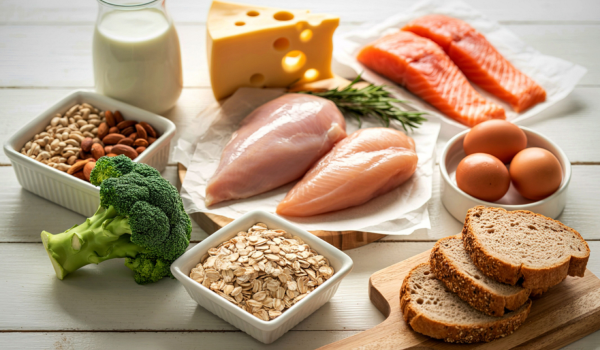
.png)
.png)
.png)
.png)
.png)
.png)
.png)
.png)
.png)



.png)
.png)
.png)
.png)
.png)
.png)