
.png)
Busy schedules often leave little time for structured meals. Work responsibilities, family duties, commuting, and constant digital communication can turn meals into quick pauses between tasks rather than dedicated moments of nourishment. When most meals are grabbed between activities, hunger signals, digestion, and energy levels may feel less predictable. Understanding how to eat well when meals happen between tasks can help maintain balanced nutrition and steady energy throughout demanding days.
How Busy Schedules Influence Eating Habits
Meals Become Secondary Activities
When days are filled with responsibilities, eating can become something that happens alongside other tasks. People may eat while answering emails, attending meetings, or completing errands.
In these situations, meals often happen quickly and without full attention. The focus remains on the primary task rather than the food itself.
This pattern can influence how the body experiences hunger and satiety.
Irregular Meal Timing
Busy days may also lead to unpredictable meal timing. Meals may be delayed, shortened, or replaced by quick snacks.
When meal timing changes frequently, hunger signals may appear earlier or later than expected. Recognizing these shifts can help guide better meal planning.
Maintaining Balanced Nutrition In Short Time Windows
Prioritizing Nutrient Balance
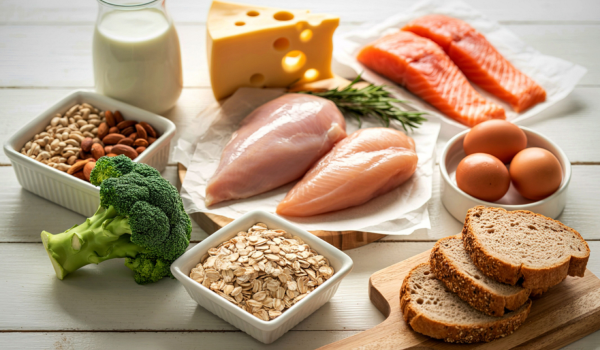
Even when meals are brief, balanced nutrition remains important. Including protein, fiber-rich carbohydrates, and healthy fats helps provide steady energy and longer-lasting satiety.
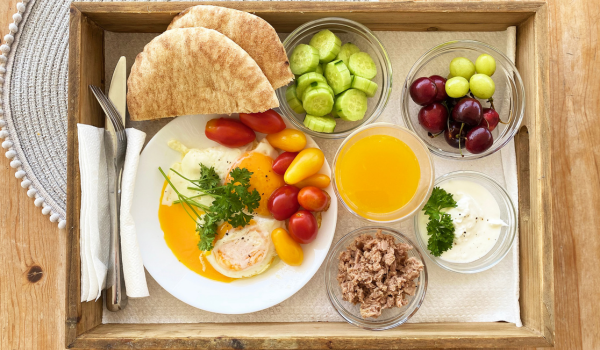
For example, a quick meal might include yogurt with fruit and nuts, a whole-grain wrap with vegetables and protein, or a grain bowl with legumes and greens.
These combinations provide nutrients that support energy stability.
Choosing Satisfying Foods
Foods that digest slowly help reduce the need for frequent snacking. Protein and fiber-rich foods often support sustained fullness compared with foods composed mainly of refined carbohydrates.
Selecting satisfying foods helps maintain focus during busy tasks.
Preparing Foods For Quick Access
Advance Preparation
Preparing ingredients or meals in advance can save time during busy days. Washing vegetables, cooking grains, or assembling simple meals ahead of time allows food to be ready when needed.
Meal preparation during quieter hours—such as evenings or weekends—can make daily eating easier.
Prepared foods reduce reliance on less balanced convenience options.
Portable Meal Options
Portable foods support nourishment when time is limited. Items such as fruit, nuts, yogurt, boiled eggs, whole-grain sandwiches, or prepared salads can be eaten quickly while still providing balanced nutrition.
These foods are especially helpful during workdays with frequent interruptions.
Managing Hunger Signals During Busy Days
Recognizing Early Hunger
When meals are rushed, people may ignore early hunger signals until hunger becomes strong. Intense hunger can lead to rapid eating and reduced awareness of fullness.
Responding to hunger earlier helps maintain steadier energy and portion awareness.
Avoiding Long Gaps Without Food
Busy schedules sometimes create long gaps between meals. Balanced snacks can help bridge these gaps and prevent excessive hunger later in the day.
Combining carbohydrates with protein—such as apple slices with nut butter or yogurt with seeds—provides longer-lasting energy.
Supporting Digestion With Limited Time
Eating Slowly When Possible
Even when time is limited, slowing down slightly during meals helps digestion begin effectively. Chewing thoroughly and pausing briefly between bites allows the digestive system to activate.
These small adjustments improve meal comfort.
Creating Short Eating Breaks
Taking even a few minutes to step away from tasks can support the body’s rest-and-digest response. This shift encourages enzyme release and digestive activity.
Short focused eating moments are often more beneficial than distracted eating.
Hydration And Energy Stability
Regular Fluid Intake
Busy days may reduce awareness of thirst. Drinking water regularly helps support energy levels and concentration.
Hydration also supports digestion and nutrient absorption.
Distinguishing Fatigue From Hunger
Fatigue during busy schedules may sometimes be mistaken for hunger. Maintaining regular hydration can help clarify these signals.
Balanced meals and adequate fluids work together to support alertness.
Reducing Distractions During Meals
Minimizing Multitasking
While some multitasking may be unavoidable, reducing distractions when possible can improve meal satisfaction. Turning away from screens or stepping away from work tasks for a few minutes helps the brain focus on eating.
Greater awareness allows satiety signals to develop more effectively.
Engaging The Senses
Noticing flavors, textures, and aromas helps the brain register the meal experience. Sensory awareness contributes to satisfaction and may reduce the urge for additional snacking.
Even brief attention to these details can enhance the meal.
Maintaining Consistent Energy Throughout The Day
Balanced Meal Distribution
Spreading meals or snacks across the day helps maintain stable blood glucose levels. Balanced nourishment supports concentration and productivity during demanding schedules.
Regular intake prevents extreme energy fluctuations.
Adapting Portion Sizes
On especially busy days, smaller meals eaten more frequently may be easier to manage than large meals.
This flexible approach allows the body to receive consistent energy without requiring long meal breaks.
Creating Sustainable Eating Habits
Building Practical Food Routines
Simple routines—such as keeping snacks available, preparing meals in advance, or scheduling brief meal breaks—can support consistent nutrition during busy periods.
These habits make balanced eating easier to maintain.
Focusing On Long-Term Patterns
Individual meals may sometimes be rushed or imperfect. However, overall patterns of balanced nutrition across days and weeks have the greatest impact on health.
Consistency over time supports long-term well-being.
Eating well when most meals are grabbed between tasks requires thoughtful preparation, balanced food choices, and awareness of hunger signals. Even during busy schedules, simple strategies such as preparing portable meals, choosing satisfying foods, staying hydrated, and creating brief moments of focused eating can support steady energy and digestive comfort. By building flexible routines and prioritizing balanced nutrition, individuals can maintain healthy eating habits even when time for meals is limited. Learn more about practical nutrition strategies, explore ways to simplify meal preparation during busy days, and take action today to support balanced nourishment in every schedule.











.png)
.png)
.png)
.png)

.png)
.png)
.png)
.png)
.png)
.png)
.png)
.png)
.png)
.png)

.png)
.png)
.png)
.png)
.png)
.png)
.png)
.png)

