.png)
Chronic inflammation has been increasingly linked to a wide range of health concerns, from fatigue and digestive issues to long-term conditions that affect overall well-being. While inflammation is a natural response that helps the body heal, persistent low-grade inflammation can place stress on multiple systems over time.
One of the most effective ways to support the body’s natural balance is through everyday food choices. Certain foods contain nutrients and compounds that help regulate inflammatory processes and promote overall health.
Understanding which anti-inflammatory foods to include in your daily diet can help you build meals that support long-term wellness in a practical and sustainable way.
What Inflammation Is And Why It Matters
Inflammation is part of the body’s natural defense system. It plays a critical role in protecting against injury, infection, and other threats.
acute vs chronic inflammation
Acute inflammation occurs as a short-term response to injury or illness. It helps the body heal and typically resolves once the issue is addressed.
Chronic inflammation, however, can persist over time and may contribute to various health challenges. This type of inflammation is often influenced by lifestyle factors, including diet.
the role of diet in inflammation
Certain foods may promote inflammation, especially those high in added sugars, refined carbohydrates, and highly processed ingredients. In contrast, nutrient-dense foods rich in antioxidants, fiber, and healthy fats can help support the body’s natural balance.
Choosing the right foods can make a meaningful difference in managing inflammation.
Key Nutrients That Help Reduce Inflammation
Anti-inflammatory foods are often rich in specific nutrients that support the body’s defense systems.
antioxidants and phytonutrients
Antioxidants help neutralize free radicals, which can contribute to cellular stress and inflammation. Foods such as berries, leafy greens, and colorful vegetables contain compounds like flavonoids and polyphenols that support cellular health.
omega-3 fatty acids
Omega-3 fatty acids are known for their role in supporting inflammatory balance. These fats are found in foods such as fatty fish, walnuts, and flaxseeds.
Including omega-3-rich foods regularly can contribute to overall wellness.
fiber and gut health
Fiber supports digestive health and promotes a balanced gut microbiome. A healthy gut environment plays an important role in regulating inflammation.
Whole grains, legumes, fruits, and vegetables are excellent sources of dietary fiber.
Top Anti-Inflammatory Foods To Include In Your Diet
Incorporating a variety of nutrient-rich foods can help support the body’s natural processes.
leafy green vegetables
Leafy greens such as spinach, kale, and arugula are rich in vitamins, minerals, and antioxidants. These nutrients support overall health and help protect against cellular stress.
Including leafy greens in salads, smoothies, or cooked dishes can increase nutrient intake.
berries and colorful fruits
Berries such as blueberries, strawberries, and raspberries are known for their high antioxidant content. Other fruits like oranges and cherries also provide beneficial compounds.
These fruits can be enjoyed as snacks, in breakfast meals, or as part of desserts.
fatty fish
Fish such as salmon, sardines, and mackerel provide omega-3 fatty acids that support heart health and inflammatory balance.
Including fish in meals a few times per week can enhance overall nutrition.
nuts and seeds
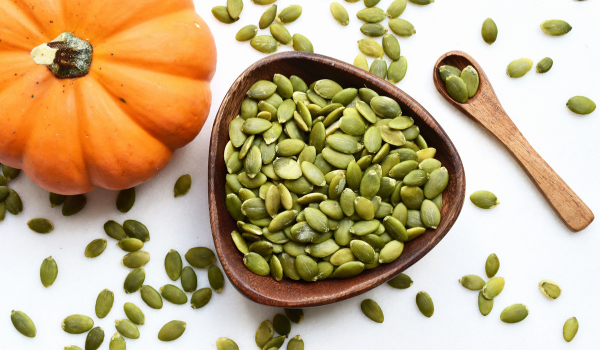
Nuts and seeds provide healthy fats, fiber, and micronutrients. Almonds, walnuts, chia seeds, and flaxseeds are common choices.
These foods can be added to meals or consumed as snacks.
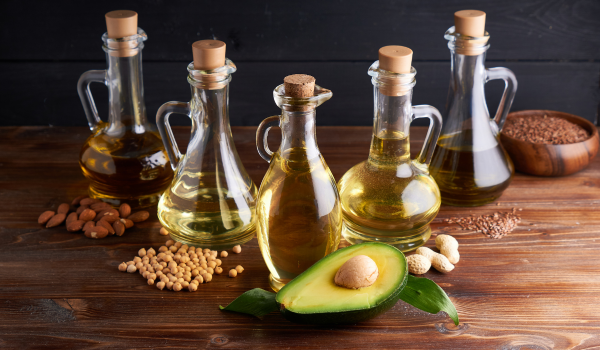
olive oil
Olive oil is a key component of anti-inflammatory eating patterns. It contains healthy fats and antioxidants that support cardiovascular health.
Using olive oil in cooking or as a dressing is a simple way to include it in meals.
whole grains
Whole grains such as oats, brown rice, and quinoa provide fiber and essential nutrients.
Replacing refined grains with whole grains can improve overall diet quality.
legumes
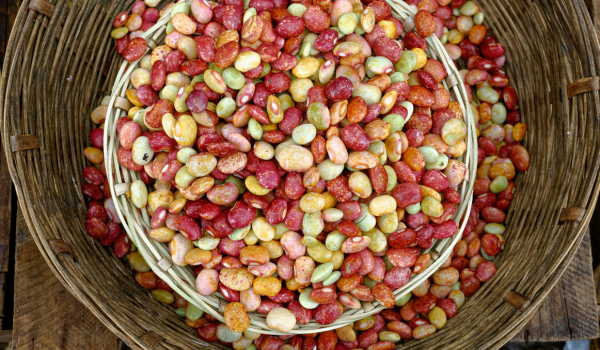
Beans, lentils, and chickpeas are rich in fiber and plant-based protein. They also contain compounds that support overall health.
These foods are versatile and can be used in a variety of dishes.
Foods That May Promote Inflammation
While focusing on anti-inflammatory foods is important, it is also helpful to be aware of foods that may contribute to inflammation.
highly processed foods
Processed foods often contain additives, refined sugars, and unhealthy fats that may impact overall health.
Reducing intake of these foods can support better dietary balance.
excess added sugars
High sugar intake is associated with increased inflammation. Sugary beverages and snacks are common sources.
Choosing whole foods instead can help reduce sugar consumption.
refined carbohydrates
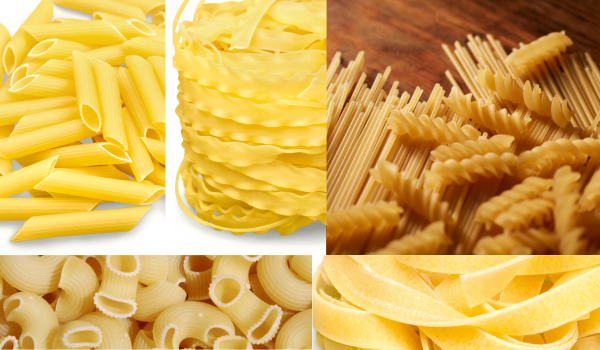
Refined grains lack fiber and nutrients, which can affect blood sugar regulation and overall health.
Replacing these with whole grains can improve nutritional intake.
How To Build Anti-Inflammatory Meals
Creating meals that support inflammatory balance does not require complicated recipes.
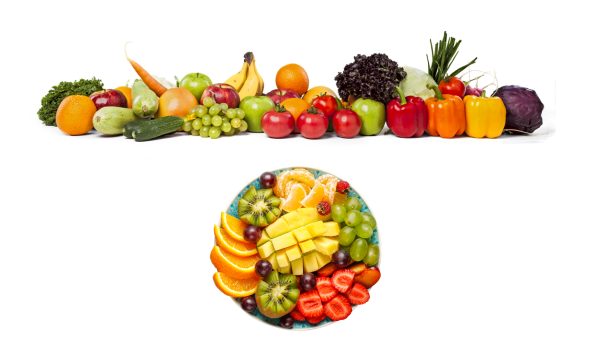
focus on variety and color
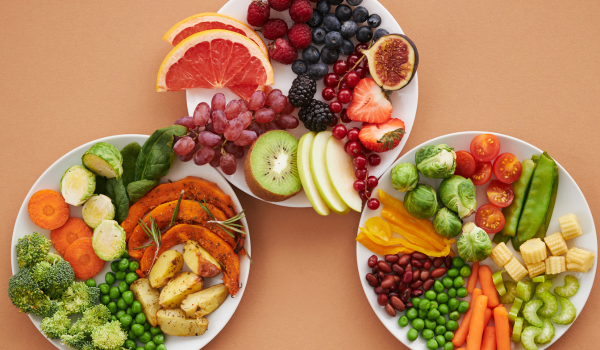
Including a range of colorful foods ensures a broad spectrum of nutrients. Different colors often indicate different beneficial compounds.
combine key food groups
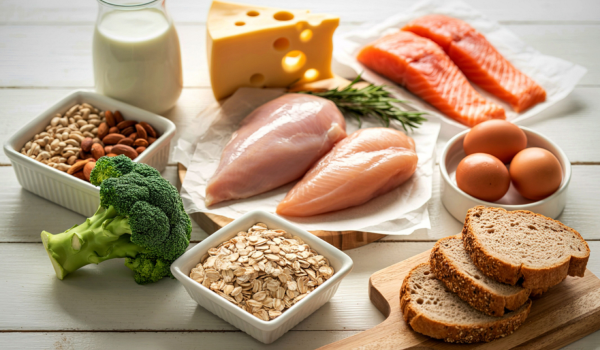
A balanced meal might include vegetables, whole grains, protein sources, and healthy fats.
For example, a meal could include grilled fish, roasted vegetables, and quinoa with olive oil.
use simple cooking methods
Cooking methods such as steaming, roasting, or sautéing help preserve nutrients while enhancing flavor.
Keeping preparation simple makes it easier to maintain healthy habits.
Practical Tips For Everyday Eating
Small changes can help incorporate anti-inflammatory foods into daily meals.
add more plant-based foods
Increasing intake of vegetables, fruits, and legumes can improve overall nutrition.
choose healthier fats
Replacing processed oils with olive oil and including nuts and seeds can support better dietary balance.
plan meals ahead
Meal planning helps ensure that nutrient-rich foods are available and reduces reliance on less nutritious options.
Conclusion
Anti-inflammatory foods play an important role in supporting overall health by providing nutrients that help regulate the body’s natural processes. By including a variety of whole, nutrient-dense foods such as vegetables, fruits, whole grains, and healthy fats, it becomes possible to build meals that support long-term wellness.
At the same time, reducing intake of highly processed foods and added sugars can further enhance the benefits of a balanced diet.
Start by adding more anti-inflammatory foods to your daily meals and explore more nutrition insights on Health365s to continue building a healthier and more sustainable lifestyle.

.png)










.png)
.png)
.png)
.png)

.png)
.png)
.png)
.png)
.png)
.png)
.png)
.png)
.png)


.png)
.png)
.png)
.png)
.png)
.png)