.png)
Shifting toward a plant-based way of eating has become increasingly popular, not only for health reasons but also for its sustainability and flexibility. For beginners, however, the idea of changing dietary habits can feel overwhelming. Questions about what to eat, how to get enough nutrients, and how to build satisfying meals are common.
The good news is that plant-based eating does not require perfection or strict rules. It can start with small, gradual changes that prioritize whole, nutrient-rich foods. This approach allows you to improve your nutrition while still enjoying a wide variety of meals.
Understanding the basics of plant-based eating can help you transition smoothly and build a sustainable routine that supports long-term health.
What Plant-Based Eating Really Means
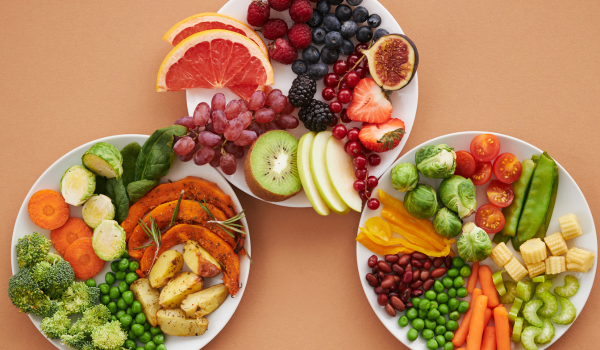
Plant-based eating focuses on foods that come primarily from plants, including vegetables, fruits, whole grains, legumes, nuts, and seeds. It does not necessarily mean eliminating all animal products, but rather emphasizing plant foods as the foundation of meals.
different levels of plant-based diets
Some people follow a fully plant-based diet that excludes all animal products, while others include small amounts of animal foods such as dairy, eggs, or fish.
This flexibility allows individuals to choose a level that fits their lifestyle and preferences.
focus on whole, minimally processed foods
Plant-based eating encourages choosing foods in their natural or minimally processed form. Whole foods provide essential nutrients such as fiber, vitamins, minerals, and antioxidants.
Processed plant-based products can be included occasionally, but whole foods remain the priority.
Health Benefits Of Plant-Based Eating
A plant-based approach to nutrition is associated with a range of health benefits when implemented in a balanced way.
supporting heart health
Plant-based diets often include high amounts of fiber and healthy fats while being lower in saturated fats. This combination supports cardiovascular health.
Foods such as vegetables, fruits, legumes, and nuts contribute to maintaining healthy cholesterol levels.
improving digestion
Fiber-rich plant foods support digestive health and promote a balanced gut microbiome.
A healthy digestive system plays an important role in nutrient absorption and overall well-being.
supporting weight management
Plant-based foods are often nutrient-dense and lower in calorie density, which can support healthy weight management.
Meals rich in fiber and plant protein can help promote satiety.
Key Nutrients To Pay Attention To
While plant-based eating offers many benefits, it is important to ensure that essential nutrients are included.
protein sources
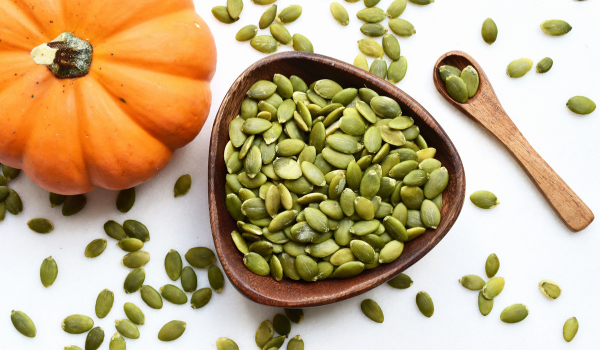
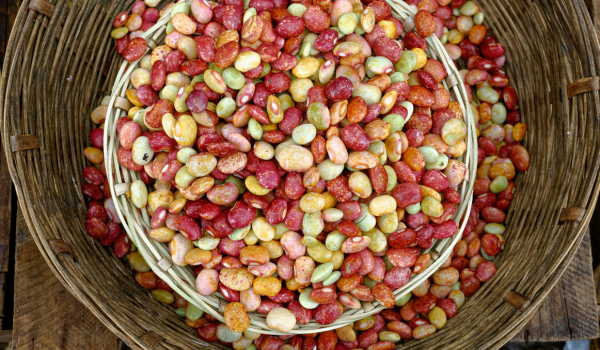
Plant-based protein can be obtained from foods such as beans, lentils, tofu, tempeh, nuts, seeds, and whole grains.
Combining different protein sources helps provide a complete range of amino acids.
iron and zinc
Iron from plant sources is found in foods such as legumes, spinach, and fortified grains. Pairing these foods with vitamin C-rich foods can improve absorption.
Zinc is available in nuts, seeds, and whole grains.
vitamin B12 and calcium
Vitamin B12 is primarily found in animal products, so fortified foods or supplements may be needed.
Calcium can be obtained from leafy greens, fortified plant-based milk, and certain legumes.
How To Build Balanced Plant-Based Meals
Creating balanced meals is essential for meeting nutritional needs and maintaining energy levels.
include a variety of food groups
A balanced plant-based meal typically includes vegetables, whole grains, plant-based protein, and healthy fats.
For example, a meal could consist of brown rice, roasted vegetables, chickpeas, and a drizzle of olive oil.
focus on color and diversity
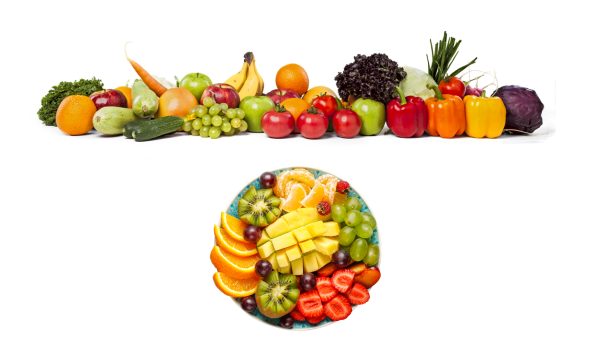
Different plant foods provide different nutrients. Including a variety of colors helps ensure a broad range of vitamins and minerals.
This diversity also makes meals more appealing and enjoyable.
Simple Meal Ideas For Beginners
Starting with simple meal ideas can make the transition to plant-based eating easier.
breakfast options
Oatmeal with fruit and nuts, smoothies with leafy greens and seeds, or whole grain toast with nut butter are easy and nutritious choices.
lunch ideas
Salads with legumes, grain bowls with vegetables and tofu, or vegetable wraps with hummus provide balanced meals.
dinner options
Stir-fries with vegetables and tofu, lentil soups, or roasted vegetable dishes with whole grains are satisfying and nutrient-rich.
Tips For Transitioning To Plant-Based Eating
Making gradual changes can help ensure a smooth transition.
start with small steps
Begin by adding more plant-based meals to your week rather than making immediate, drastic changes.
This approach makes the transition more manageable.
experiment with new recipes
Trying different recipes and ingredients can make plant-based eating more enjoyable.
Exploring new flavors helps maintain interest and variety.
plan meals ahead
Meal planning ensures that you have the necessary ingredients and helps maintain consistency.
Preparation reduces reliance on less nutritious options.
Common Mistakes To Avoid
Being aware of common challenges can help improve success with plant-based eating.
relying too heavily on processed foods
Some plant-based products are highly processed and may lack nutritional value. Prioritizing whole foods is important.
not getting enough protein
Ensuring adequate protein intake supports energy and muscle health.
Including a variety of plant-based protein sources helps meet this need.
ignoring nutrient balance
Focusing only on plant foods without considering balance can lead to nutrient gaps. Including diverse foods helps maintain nutritional adequacy.
Conclusion
Plant-based eating offers a flexible and sustainable way to improve your diet by focusing on whole, nutrient-rich foods. For beginners, the key is to start gradually, build balanced meals, and explore a variety of plant-based ingredients.
By prioritizing vegetables, fruits, whole grains, legumes, and healthy fats, you can support your overall health while enjoying diverse and satisfying meals.
Start incorporating more plant-based options into your routine today and explore more nutrition tips and healthy eating guides on Health365s to continue building a healthier lifestyle.

.png)











.png)
.png)
.png)
.png)

.png)
.png)
.png)
.png)
.png)
.png)
.png)
.png)
.png)



.png)
.png)
.png)
.png)
.png)
.png)