
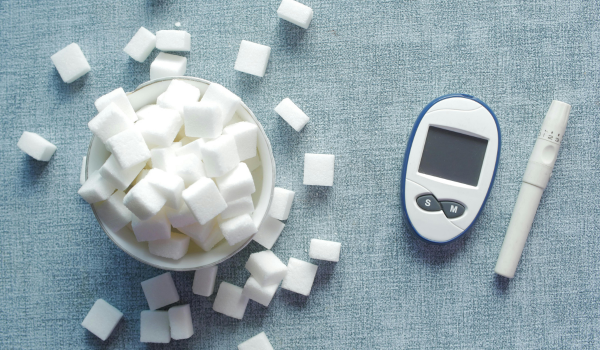
Many people with diabetes notice that their blood sugar is highest in the morning. One common reason is the dawn phenomenon, a natural process in which hormones released before waking increase blood glucose levels. For some people with diabetes, the body's insulin response is not strong enough to offset this rise.
Fortunately, a few simple morning habits can help bring blood sugar back into a healthier range.
Drink A Glass Of Water Right Away
Most people go several hours without drinking water while sleeping, making mild dehydration common in the morning. For people with diabetes, dehydration can contribute to higher blood sugar because there is less water circulating in the bloodstream, causing glucose to become more concentrated.
Dehydration may also increase the release of stress hormones such as cortisol and adrenaline, both of which can contribute to elevated blood sugar levels.
Tip: Make it a habit to drink a full glass of water immediately after waking up, even before having coffee or tea.
Get Some Exercise
Regular physical activity is one of the most effective ways to help manage diabetes. Exercise improves insulin sensitivity, allowing your body to use insulin more efficiently while also helping muscles use glucose for energy.
Morning exercise can be especially helpful for reducing elevated blood sugar after waking. Research suggests that people who are physically active earlier in the day often achieve better A1C levels and may have a lower risk of cardiovascular disease.
Does The Type Of Exercise Matter?
Not all exercise affects blood sugar the same way. High-intensity workouts can temporarily increase blood sugar because they stimulate the release of stress hormones like adrenaline.
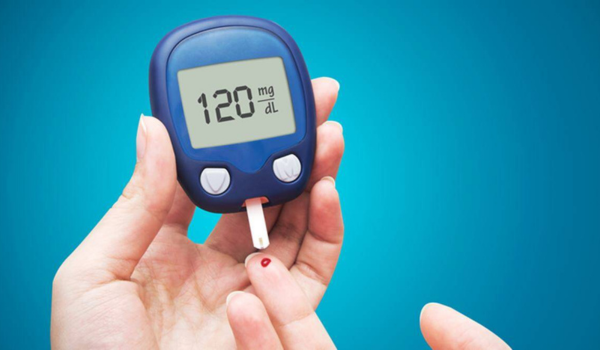
Tip: Monitor your blood sugar before and after exercise to learn how your body responds. If your glucose is already high in the morning, consider lower- or moderate-intensity activities such as walking, cycling, yoga, or strength training instead of intense workouts.
Eat Protein And Fiber For Breakfast
Eating breakfast soon after waking may improve insulin sensitivity and help your body release enough insulin to manage the natural morning rise in blood sugar.
A breakfast rich in protein and fiber provides more stable glucose control than meals high in refined carbohydrates.
Protein
Protein slows the rise of blood sugar after eating, leading to a steadier insulin response. A high-protein breakfast may also help maintain better glucose control throughout the rest of the day, including after lunch and dinner.
Fiber
While carbohydrates are still an important part of a healthy diet, choosing complex carbohydrates that are high in fiber can help improve insulin sensitivity and reduce blood sugar spikes compared with refined carbohydrates.
Tip
Combining protein and fiber in the same breakfast may offer even greater blood sugar benefits. Adding healthy fats such as avocado, nuts, seeds, or natural nut butter creates a more balanced, diabetes-friendly meal.
Limit Your Caffeine
Caffeinated beverages may temporarily increase blood sugar by reducing insulin sensitivity and triggering the release of stress hormones. If your blood sugar is already elevated in the morning, coffee may push it even higher.
However, this does not necessarily mean you should eliminate coffee completely. While caffeine may raise blood sugar in the short term, some research suggests that regular coffee consumption may be associated with a lower long-term risk of developing type 2 diabetes.
Everyone responds differently to caffeine, so it's important to monitor your own blood sugar after drinking coffee.
Healthy adults are generally advised to keep caffeine intake below 400 milligrams per day, although the ideal amount for people with diabetes may vary.
Tip: Talk with your healthcare provider if you're unsure whether morning caffeine is appropriate for your diabetes management plan.
Add Apple Cider Vinegar To Your Morning Beverage
Apple cider vinegar has become a popular home remedy for many health concerns, and one of the most researched potential benefits is its effect on blood sugar.
Several studies suggest that apple cider vinegar may help reduce fasting blood glucose levels in people with diabetes when consumed regularly.
Although there is no universally recommended dosage, many experts suggest starting with 1 to 2 tablespoons (15–30 mL) diluted in a full glass of water or herbal tea. Drinking it undiluted may irritate the mouth, throat, or stomach.
Tip: If you don't enjoy drinking apple cider vinegar, try incorporating it into salad dressings, sauces, soups, or marinades instead.
Can You Prevent A Morning Blood Sugar Spike?
Several daily habits may reduce or even prevent high blood sugar in the morning.
Eat An Early, Light Dinner
Avoid large meals or eating too close to bedtime. Heavy evening meals—especially those high in carbohydrates—can keep blood sugar elevated throughout the night. Focus on lean protein, vegetables, and moderate portions for dinner.
Exercise In The Evening
If morning exercise tends to increase your blood sugar, consider working out in the late afternoon or early evening instead. Evening exercise may help lower overnight blood sugar and reduce morning glucose spikes.
Review Your Insulin Schedule
If you regularly wake up with high blood sugar despite healthy habits, discuss your insulin schedule with your healthcare provider. Adjusting the timing or dosage may improve overnight glucose control, but any medication changes should always be made under medical supervision.
Final Thoughts
Morning blood sugar spikes are common among people living with diabetes, but they can often be managed through healthy daily habits. Drinking water after waking, staying physically active, eating a balanced breakfast rich in protein and fiber, being mindful of caffeine intake, and using apple cider vinegar appropriately may all support better glucose control.
While these strategies can make a meaningful difference, every person's response is unique. Monitoring your blood sugar regularly and working closely with your healthcare provider remain the most effective ways to build a diabetes management plan that fits your individual needs.

.png)














.png)
.png)
.png)
.png)


.png)
.png)
.png)
.png)
.png)
.png)
.png)
.png)
.png)
.png)




.png)
.png)
.png)
.png)
.png)
.png)

