.png)
The Mediterranean diet is often praised for its simplicity, balance, and long-term health benefits. Rather than focusing on restriction, it highlights a variety of wholesome foods that work together to support overall well-being. This approach has been associated with improved heart health, better energy levels, and a reduced risk of chronic diseases.
At the center of this dietary pattern are key foods that define its structure and nutritional value. These foods are not exotic or difficult to find. In fact, many of them are everyday ingredients that can easily be incorporated into daily meals.
Understanding the core foods of the Mediterranean diet can help you build meals that are both nutritious and enjoyable while supporting long-term health.
Why Food Choices Matter In The Mediterranean Diet
The Mediterranean diet is built on the idea that food quality plays a more important role than strict calorie control. The types of foods chosen provide a balance of nutrients that support multiple body systems.
focus on nutrient-dense ingredients
The foods in this diet are rich in vitamins, minerals, fiber, and healthy fats. These nutrients contribute to better digestion, stable energy levels, and improved metabolic function.
By choosing whole and minimally processed foods, the Mediterranean diet naturally supports overall health.
balance and variety as key principles
Rather than relying on a single food group, the Mediterranean diet emphasizes variety. Combining different foods ensures a broader range of nutrients.
This variety also makes meals more satisfying and easier to maintain over time.
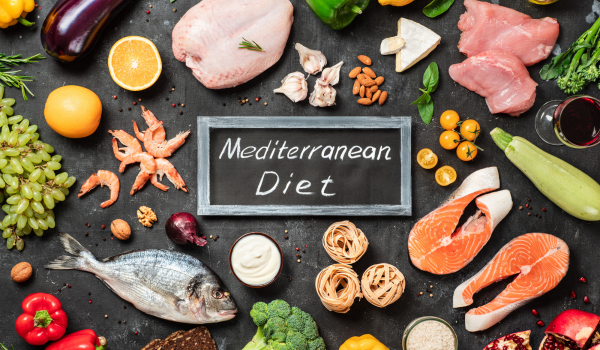
10 Foods That Define The Mediterranean Diet
The following foods are essential components of the Mediterranean diet and help shape its nutritional profile.
1. olive oil
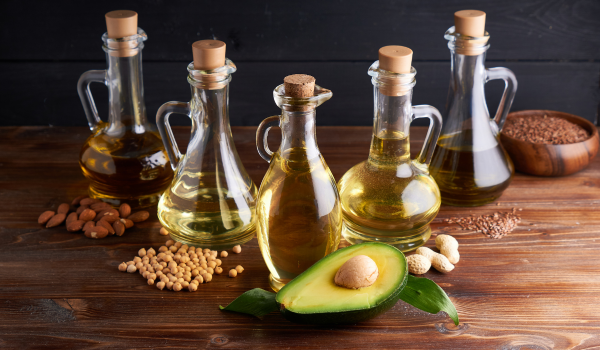
Olive oil is the cornerstone of the Mediterranean diet. It is used as the primary source of fat in cooking and dressings.
Rich in monounsaturated fats, olive oil supports heart health and helps improve cholesterol balance. It also contains antioxidants that contribute to overall wellness.
2. leafy green vegetables
Leafy greens such as spinach, kale, and arugula are commonly included in meals. They provide vitamins, minerals, and fiber that support digestion and immune function.
These vegetables are often used in salads, soups, and side dishes.
3. tomatoes
Tomatoes are a staple ingredient in Mediterranean cuisine. They are rich in vitamins and antioxidants, particularly compounds that support cellular health.
Tomatoes can be used fresh, roasted, or in sauces, adding both flavor and nutritional value to meals.
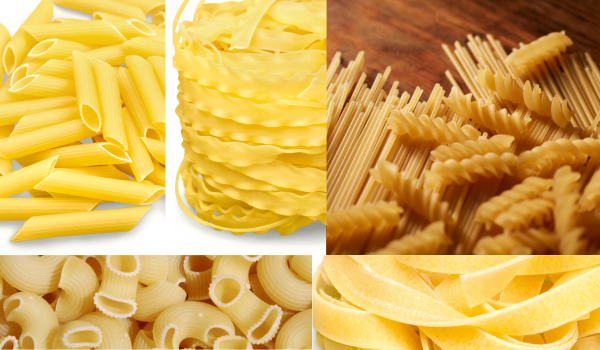
4. whole grains
Whole grains such as oats, brown rice, barley, and whole wheat provide complex carbohydrates and fiber.
These foods support steady energy levels and help maintain digestive health. They are often used as a base for meals.
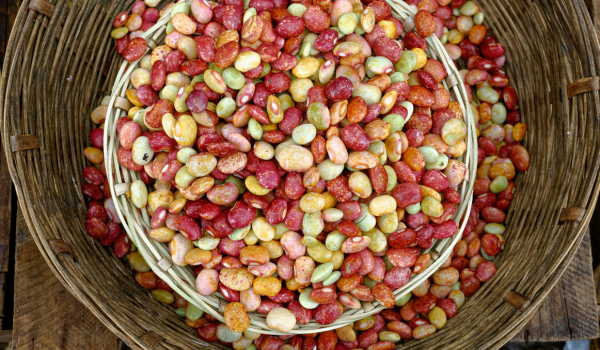
5. legumes
Legumes, including lentils, chickpeas, and beans, are an important source of plant-based protein and fiber.
They are versatile ingredients used in soups, salads, and main dishes, contributing to both nutrition and satiety.
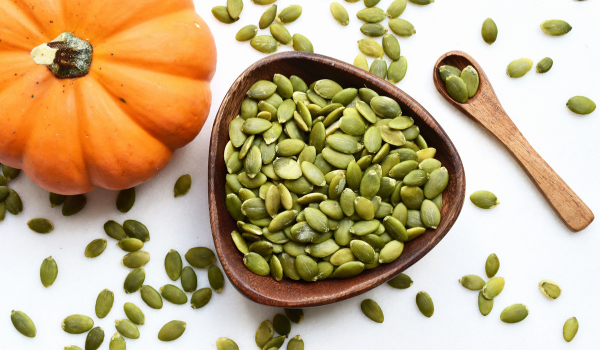
6. nuts and seeds
Nuts and seeds provide healthy fats, protein, and essential micronutrients. Almonds, walnuts, and sunflower seeds are commonly consumed.
These foods support heart health and can be used as snacks or added to meals.
7. fish and seafood
Fish and seafood are primary protein sources in the Mediterranean diet. Fatty fish such as salmon, sardines, and mackerel provide omega-3 fatty acids.
These nutrients support cardiovascular health and brain function.
8. fruits
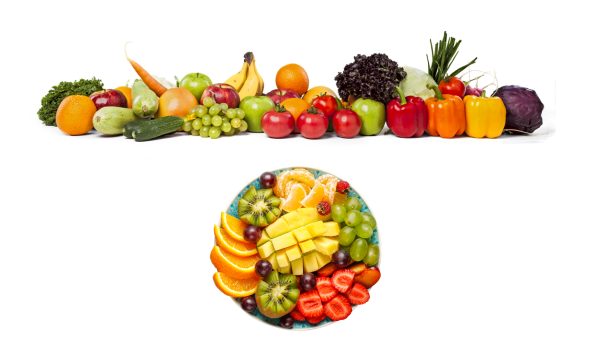
Fruits such as berries, oranges, apples, and grapes are consumed regularly. They provide natural sweetness along with vitamins, minerals, and antioxidants.
Fruits are often enjoyed as snacks or desserts.
9. dairy in moderation
Dairy products such as yogurt and cheese are included in moderate amounts. They provide calcium and protein that support bone health.
Greek yogurt is a common choice due to its higher protein content.
10. herbs and spices
Herbs and spices such as basil, oregano, garlic, and rosemary are widely used to enhance flavor.
They allow meals to be flavorful without relying on excessive salt, while also providing beneficial plant compounds.
How These Foods Work Together For Health
The benefits of the Mediterranean diet come from the combination of these foods rather than any single ingredient.
supporting heart health
Healthy fats from olive oil and fish, combined with fiber from vegetables and whole grains, contribute to cardiovascular health.
This combination helps maintain healthy cholesterol levels and supports blood pressure balance.
providing antioxidant protection
Fruits, vegetables, herbs, and spices provide antioxidants that help protect cells from oxidative stress.
These compounds support long-term health and may reduce the risk of chronic diseases.
promoting digestive health
Fiber from whole grains, legumes, fruits, and vegetables supports digestion and gut health.
A healthy digestive system plays a key role in nutrient absorption and overall well-being.
Simple Ways To Include These Foods In Daily Meals
Incorporating Mediterranean foods into your routine can be simple and practical.
start with basic substitutions
Replace butter with olive oil, choose whole grains instead of refined grains, and include more vegetables in meals.
These small changes can significantly improve diet quality.
build meals around plant-based ingredients
Focus on vegetables, legumes, and whole grains as the base of meals, adding protein sources such as fish or poultry.
This approach creates balanced and nutrient-rich dishes.
keep meals simple and fresh
Mediterranean meals often rely on simple preparation methods that highlight natural flavors.
Using fresh ingredients and minimal processing helps preserve nutritional value.
Common Mistakes To Avoid
While the Mediterranean diet is flexible, certain habits can reduce its effectiveness.
overlooking portion sizes
Even healthy foods should be consumed in appropriate amounts. Balanced portions help maintain overall energy intake.
relying on processed alternatives
Packaged foods labeled as Mediterranean may still contain added sugars, unhealthy fats, or excessive sodium.
Focusing on whole foods is more beneficial.
not including enough variety
Eating a wide range of foods ensures a broader nutrient intake and prevents dietary monotony.
Conclusion
The Mediterranean diet is defined by a group of simple, nutrient-rich foods that work together to support overall health. Olive oil, vegetables, whole grains, legumes, fish, fruits, and herbs form the foundation of this balanced eating pattern.
By incorporating these foods into daily meals, it becomes easier to build a sustainable and enjoyable approach to nutrition. This dietary pattern supports heart health, energy levels, and long-term wellness.
Start by adding a few of these foods to your meals today and gradually build a Mediterranean-style diet. Explore more healthy eating tips and nutrition guides on Health365s to continue improving your lifestyle.

.png)














.png)
.png)
.png)
.png)


.png)
.png)
.png)
.png)
.png)
.png)
.png)
.png)
.png)
.png)



.png)
.png)
.png)
.png)
.png)