.png)
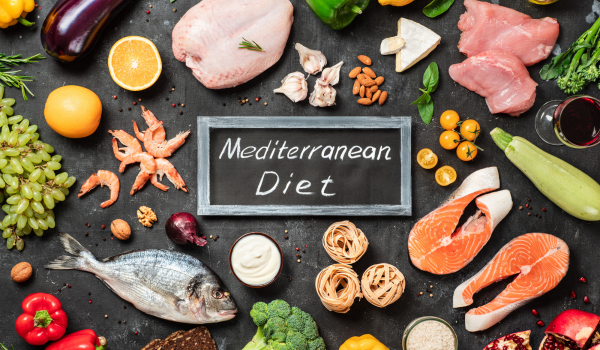
Planning healthy meals for an entire week can feel overwhelming, especially when trying to balance nutrition, convenience, and taste. The Mediterranean diet offers a simple and sustainable solution by focusing on whole foods, fresh ingredients, and balanced meals that are easy to prepare.
Instead of strict rules, this eating pattern encourages variety and flexibility while supporting long-term health. With a well-structured weekly plan, it becomes much easier to stay consistent, reduce decision fatigue, and enjoy nutritious meals every day.
This Mediterranean diet meal plan is designed to help you build a healthy week of eating while keeping meals practical, satisfying, and nutritionally balanced.
How To Structure A Mediterranean Diet Meal Plan
Creating a weekly meal plan becomes easier when you understand the basic structure of Mediterranean-style eating.
build meals around plant-based foods
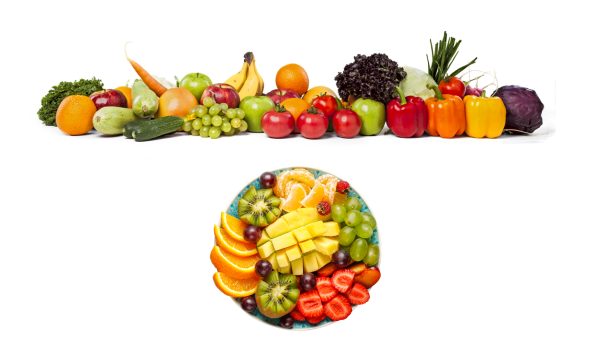
Vegetables, fruits, whole grains, legumes, nuts, and seeds should form the foundation of most meals. These foods provide essential nutrients such as fiber, vitamins, and antioxidants.
Adding a variety of plant-based ingredients helps ensure balanced nutrition throughout the week.
include healthy fats and quality proteins
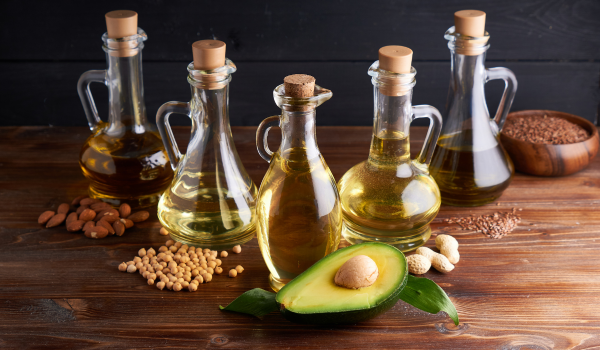
Olive oil is the primary source of fat in the Mediterranean diet. It is used in cooking, dressings, and meal preparation.
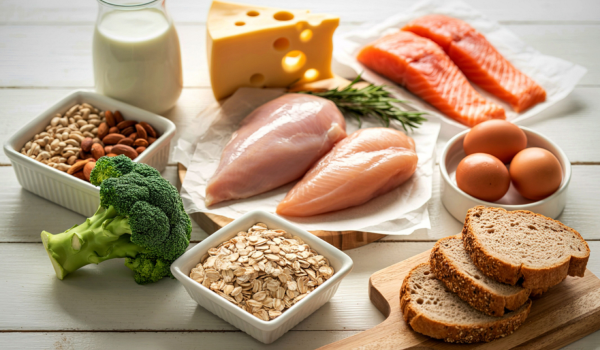
Protein sources include fish, seafood, poultry, eggs, dairy, and legumes. Fish is typically included multiple times per week, while red meat is consumed less frequently.
keep meals simple and balanced
Each meal should ideally include vegetables, a source of protein, whole grains or legumes, and healthy fats. This combination supports steady energy levels and satiety.
Simple preparation methods such as grilling, roasting, or sautéing help preserve nutrients and flavor.
7-Day Mediterranean Diet Meal Plan
This sample plan provides practical meal ideas for a full week. Portions can be adjusted based on individual needs.
day 1
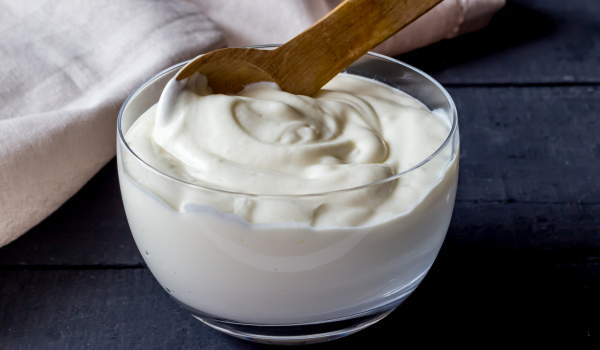
Breakfast: Greek yogurt with fresh berries, honey, and walnuts
Lunch: Mixed vegetable salad with chickpeas, olive oil, and whole grain bread
Dinner: Grilled salmon with roasted vegetables and quinoa
day 2
Breakfast: Whole grain toast with avocado and a boiled egg
Lunch: Lentil soup with a side of leafy greens and olive oil dressing
Dinner: Baked chicken with brown rice and steamed broccoli
day 3
Breakfast: Oatmeal topped with sliced banana, almonds, and cinnamon
Lunch: Quinoa salad with cucumbers, tomatoes, feta cheese, and olive oil
Dinner: Grilled fish with sautéed spinach and roasted sweet potatoes
day 4
Breakfast: Greek yogurt with chopped fruit and seeds
Lunch: Whole grain wrap with hummus, vegetables, and grilled chicken
Dinner: Vegetable stir-fry with tofu and brown rice
day 5
Breakfast: Smoothie with spinach, banana, yogurt, and nuts
Lunch: Chickpea and vegetable salad with olive oil dressing
Dinner: Baked fish with quinoa and roasted zucchini
day 6
Breakfast: Whole grain toast with peanut butter and sliced fruit
Lunch: Tomato and vegetable soup with whole grain bread
Dinner: Grilled chicken with mixed vegetables and lentils
day 7
Breakfast: Oatmeal with berries and seeds
Lunch: Mediterranean salad with olives, vegetables, and feta cheese
Dinner: Roasted vegetables with fish and whole grains
How This Meal Plan Supports Balanced Nutrition
A well-designed meal plan provides a balance of nutrients that support overall health and daily energy.
steady energy throughout the day
Meals include complex carbohydrates from whole grains and legumes, which provide a slow and steady release of energy. This helps prevent sudden energy fluctuations.
adequate protein for satiety
Protein sources such as fish, chicken, legumes, and dairy help maintain fullness and support muscle health.
Including protein in each meal helps reduce unnecessary snacking.
healthy fats for heart health
Olive oil, nuts, seeds, and fatty fish provide beneficial fats that support cardiovascular health and improve nutrient absorption.
Tips To Make Meal Planning Easier
Consistency is key when following a weekly meal plan. These tips can help simplify the process.
prepare ingredients in advance
Washing and cutting vegetables, cooking grains, and preparing protein sources ahead of time can save effort during busy days.
Meal preparation helps ensure that healthy options are always available.
reuse ingredients across meals
Using the same ingredients in different meals reduces waste and simplifies grocery shopping.
For example, cooked quinoa can be used in salads, side dishes, or main meals throughout the week.
keep recipes simple
Mediterranean meals do not require complicated recipes. Simple cooking methods and fresh ingredients are often enough to create flavorful dishes.
Common Mistakes To Avoid
Even with a meal plan, certain habits can reduce its effectiveness.
overcomplicating meals
Trying to prepare too many complex recipes can make meal planning difficult to maintain. Keeping meals simple helps ensure consistency.
not including enough vegetables
Vegetables are a central part of the Mediterranean diet. Ensuring they are included in most meals is essential for balanced nutrition.
skipping meals
Skipping meals can disrupt energy levels and lead to overeating later in the day. Regular meals help maintain balance.
Conclusion
A Mediterranean diet meal plan provides a practical and sustainable way to eat healthy throughout the week. By focusing on whole foods, balanced meals, and simple preparation methods, it supports energy, digestion, and long-term wellness.
This 7-day plan offers a flexible framework that can be adapted to individual preferences and schedules. Small adjustments, such as adding more vegetables or choosing healthier fats, can make a meaningful difference.
Start planning your meals today and explore more nutrition tips and healthy eating guides on Health365s to continue building a healthier lifestyle.

.png)












.png)
.png)
.png)
.png)

.png)
.png)
.png)
.png)
.png)
.png)
.png)
.png)
.png)
.png)



.png)
.png)
.png)
.png)
.png)