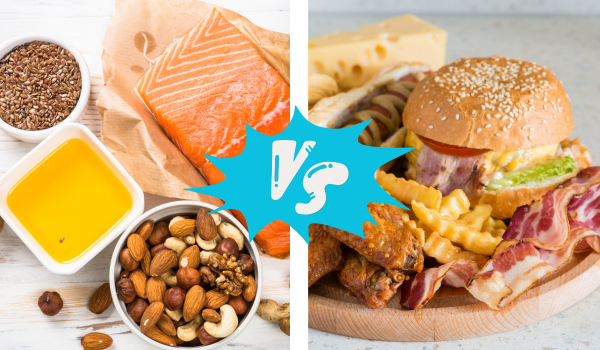
Dietary fat plays an important role in overall health. It provides energy, helps insulate the body, supports cell function, and contributes to healthy skin, hair, and hormone production.
However, not all fats affect the body in the same way. Some types can support heart health and healthy cholesterol levels, while others may increase the risk of cardiovascular problems when eaten too often.
Understanding the difference between healthier and less healthy fats can make it easier to build a balanced eating pattern without unnecessarily avoiding fat altogether.
What’s the Difference Between a ‘Good’ Fat and a ‘Bad’ Fat?
Fat sometimes gets a negative reputation, but it is an essential nutrient. The goal isn't to eliminate fat from your diet. Instead, it is better to focus on the types of fat you eat most often.
Fats commonly described as "good" are generally unsaturated fats. These fats can help lower LDL cholesterol when they replace saturated or trans fats in the diet.
Some unsaturated fats also provide essential fatty acids that support brain function, inflammation regulation, and other important processes throughout the body.
Fats often described as "bad" include trans fats and excessive amounts of saturated fat. These can raise LDL cholesterol, and trans fats may also lower HDL cholesterol.
Higher LDL cholesterol is associated with an increased risk of cardiovascular disease and stroke.
The overall pattern matters most. Eating small amounts of saturated fat occasionally is different from following a diet where saturated and trans fats make up a large portion of daily calorie intake.
Types of Fats
Dietary fats can generally be divided into saturated, trans, monounsaturated, and polyunsaturated fats.
Each type has a different chemical structure and can affect cholesterol and cardiovascular health differently.
Saturated fats
Saturated fats are generally considered less heart-friendly than unsaturated fats when consumed in large amounts.
Eating too much saturated fat may increase LDL cholesterol, which can contribute to plaque buildup in the arteries and increase cardiovascular risk over time.
Saturated fats are typically solid at room temperature and are commonly found in animal products and certain tropical oils.
Common sources include:
- Beef
- Pork
- Chicken
- Butter
- Full-fat dairy products
- Coconut oil
- Palm oil
Not all foods containing saturated fat have exactly the same effect on health. Foods also contain many other nutrients, so the overall food source matters.
For example, the nutritional profile of coconut oil is very different from that of processed meat or butter. Still, replacing a portion of saturated fat with unsaturated fat is generally considered a heart-healthy choice.
Dietary recommendations commonly suggest keeping saturated fat below about 10% of total daily calories.
For someone eating approximately 2,000 calories per day, that would equal roughly 22 grams of saturated fat.
Some heart-health organizations recommend an even lower intake, particularly for people trying to reduce LDL cholesterol.
Trans fats
Trans fats are among the least healthy types of dietary fat.
Some trans fats occur naturally in small quantities in animal foods, but the greatest health concern has historically involved industrially produced trans fats.
Artificial trans fats are created through a process that adds hydrogen to liquid vegetable oils, making them more solid and stable.
Food manufacturers have used these fats because they can improve texture, increase shelf life, and withstand repeated heating.
Trans fats can increase LDL cholesterol while lowering HDL cholesterol. This combination is associated with a higher risk of heart disease, stroke, and type 2 diabetes.
Artificial trans fats have largely been removed from the U.S. food supply because of these health concerns.
However, very small amounts may still appear in some foods, and regulations can vary by country.
To reduce trans fat intake, check ingredient lists for terms such as "partially hydrogenated oil" or "hydrogenated vegetable oil."
Foods that have historically contained trans fats include:
- Donuts
- Cookies
- Crackers
- Muffins
- Pies
- Cakes
- Certain fried foods
Choosing minimally processed foods most of the time can also help reduce exposure to trans fats.
Monounsaturated fats
Monounsaturated fats are considered a healthier type of fat, particularly for cardiovascular health.
Replacing foods high in saturated or trans fat with foods rich in monounsaturated fat may help reduce LDL cholesterol.
Many foods containing monounsaturated fats also provide beneficial vitamins, minerals, antioxidants, and other nutrients.
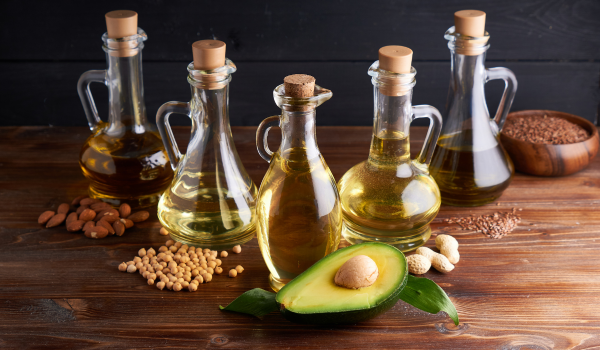
Olive oil, for example, contains monounsaturated fat along with vitamin E and plant compounds.
Common sources of monounsaturated fats include:
- Olive oil
- Canola oil
- Avocados
- Peanut butter
- Almonds
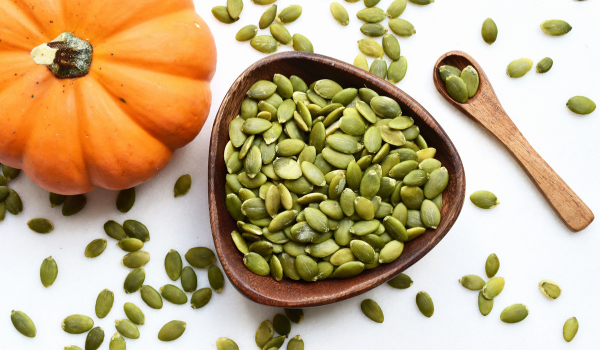
- Pumpkin seeds
These foods can be incorporated into meals in simple ways, such as using olive oil for cooking, adding avocado to sandwiches, or eating nuts as a snack.
Polyunsaturated fats
Polyunsaturated fats are another important category of healthier fat.
Like monounsaturated fats, they can help lower LDL cholesterol when used in place of saturated fat.
They also provide essential fatty acids, including omega-3 and omega-6 fats.
The body cannot make enough of these essential fats on its own, so they must come from food.
Omega-3 fatty acids are especially well known for their role in supporting cardiovascular and brain health.
Sources of polyunsaturated fats include:
- Canola oil
- Corn oil
- Fatty fish
- Walnuts
- Flaxseeds
- Tofu
- Certain seeds
In general, most dietary fat should come from monounsaturated and polyunsaturated sources.
Practical Tips for Healthy Fat Intake
A heart-healthy diet doesn't require avoiding fat. Instead, focus on replacing less healthy sources with unsaturated fats whenever practical.
The quality of the fat matters more than simply choosing the lowest-fat food available.
Choose nuts and seeds for snacks
Instead of regularly reaching for pastries, cookies, or other foods that may contain large amounts of saturated fat, try nuts or seeds.
Almonds, walnuts, pumpkin seeds, and other varieties provide unsaturated fats along with fiber, protein, vitamins, and minerals.
Eat fatty fish regularly
Fatty fish are among the best dietary sources of omega-3 fatty acids.
Options such as salmon, sardines, trout, and certain types of tuna can be incorporated into meals throughout the week.
Canned salmon or sardines can be especially convenient because they are affordable, nutrient-dense, and shelf-stable.
Choose leaner meats
If meat is part of your diet, choosing leaner cuts can help reduce saturated fat intake.
Examples may include skinless poultry, pork loin, and lean ground meats.
Portion size and cooking method also matter. Baking, grilling, or roasting generally requires less added fat than deep frying.
Cook with unsaturated oils
Replacing butter or other saturated-fat-rich cooking fats with oils such as olive or canola oil can increase your intake of monounsaturated and polyunsaturated fats.
These oils can work well for sautéing, roasting, dressings, and many everyday recipes.
Add avocado to meals
Avocado is rich in monounsaturated fat and can be added to sandwiches, grain bowls, salads, toast, or smoothies.
It can also replace ingredients higher in saturated fat in certain recipes.
Use nut butter
Nut butters provide healthy fats along with some protein and micronutrients.
Try adding peanut, almond, or another nut butter to toast, oatmeal, smoothies, or fruit.
Choose options with minimal added sugar or hydrogenated oils when possible.
Eat more plant-based meals
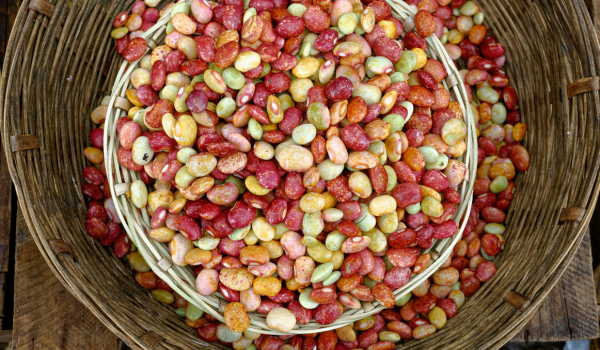
Meals built around beans, lentils, tofu, vegetables, whole grains, nuts, and seeds can help reduce saturated fat intake while increasing fiber and other beneficial nutrients.
You don't necessarily need to eliminate animal foods completely. Even replacing a few meals each week with plant-based options can improve the overall balance of dietary fats.
Consider lower-fat dairy options
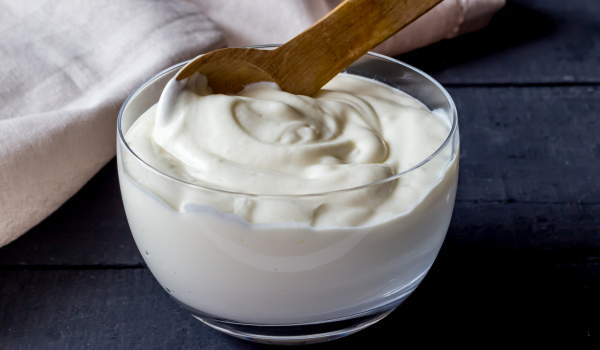
Full-fat dairy can contribute a significant amount of saturated fat.
Depending on your nutritional needs and preferences, lower-fat milk, yogurt, or other dairy products may help reduce saturated fat intake.
How To Read Nutrition Labels for Fat
Nutrition labels can make it easier to compare packaged foods.
Pay particular attention to the lines for saturated fat and trans fat.
Ideally, choose products with little or no trans fat and relatively low amounts of saturated fat.
The percent Daily Value can provide additional context. Foods with a lower percentage of the Daily Value for saturated fat are generally better options if you're trying to limit intake.
It is also useful to look beyond the total fat number.
A food can be relatively high in total fat while still containing mostly healthy unsaturated fats. Nuts, seeds, avocado, and olive oil are good examples.
By contrast, a food with less total fat isn't automatically healthier if much of that fat comes from saturated or trans fats.
Popular Diets That Support Healthy Fat Intake
Certain eating patterns naturally emphasize healthier sources of dietary fat.
Two of the most widely studied examples are the Mediterranean diet and the DASH diet.
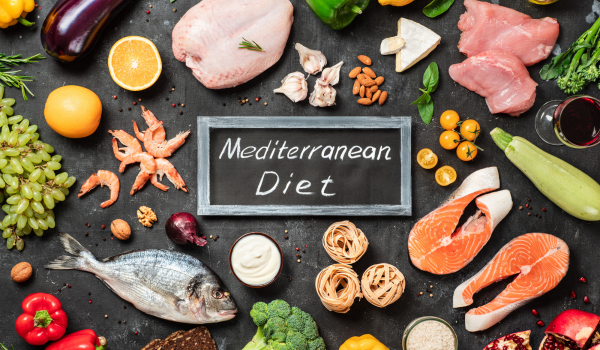
Mediterranean diet
The Mediterranean diet emphasizes vegetables, fruits, whole grains, legumes, nuts, seeds, fish, and olive oil.
Rather than avoiding fat, it encourages most dietary fat to come from unsaturated sources.
Common fat sources include:
- Extra-virgin olive oil
- Nuts
- Seeds
- Avocados
- Fish
This eating pattern has been associated with several health benefits, including better cardiovascular health and a reduced risk of certain chronic diseases.
It also tends to limit heavily processed foods, refined carbohydrates, and excessive amounts of red or processed meat.
DASH diet
The Dietary Approaches to Stop Hypertension, or DASH diet, was originally designed to help support healthy blood pressure.
It emphasizes fruits, vegetables, whole grains, lean proteins, low-fat dairy, nuts, seeds, fish, and vegetable oils.
The DASH diet shares many similarities with Mediterranean-style eating but generally places more emphasis on controlling sodium intake.
Both approaches demonstrate that dietary fat can be part of a healthy eating pattern when the majority comes from nutritious unsaturated sources.
A One-Day Example of Healthy Fat Intake
A balanced day doesn't need to involve complicated recipes.
Here is one example of how healthy fats can fit naturally into several meals and snacks.
Breakfast
Chia pudding topped with berries provides polyunsaturated fats, fiber, and plant-based nutrients.
Morning snack
A small portion of almonds paired with dried or fresh fruit can provide monounsaturated fats and help make the snack more satisfying.
Lunch
A tuna sandwich with lettuce, tomato, and onions provides protein along with beneficial fats from fish.
Using whole-grain bread and adding vegetables can further improve the nutritional profile.
Afternoon snack
Carrot and cucumber sticks with hummus provide plant-based fats along with fiber and protein.
Dinner
Roasted salmon served with rice and green beans provides omega-3 fatty acids, protein, carbohydrates, and vegetables in one balanced meal.
The specific foods aren't as important as the overall pattern. Aim to include a variety of unsaturated fat sources while keeping highly processed and saturated-fat-heavy foods more occasional.
Simple Ways To Improve Your Fat Choices
Improving the types of fat in your diet doesn't require making dramatic changes all at once.
Start with a few simple substitutions.
Replace butter with olive or canola oil when appropriate. Choose avocado or nuts instead of foods high in saturated fat. Eat fish more often and reduce heavily processed foods containing hydrogenated oils.
Include more foods rich in omega-3 and omega-6 fatty acids, such as fatty fish, walnuts, flaxseeds, tofu, and certain vegetable oils.
When buying packaged foods, check both the nutrition label and ingredient list. Pay particular attention to saturated fat and ingredients containing hydrogenated oils.
Ultimately, dietary fat is not something to fear. The goal is to choose the right types more often.
Building most of your fat intake around monounsaturated and polyunsaturated sources can support cardiovascular health while still providing the energy and nutrients your body needs.










.png)
.png)
.png)
.png)

.png)
.png)
.png)
.png)
.png)
.png)
.png)
.png)
.png)
.png)



.png)
.png)
.png)
.png)
.png)
.png)
.png)