A breakfast that leaves you hungry an hour later may need more staying power. Adding protein is one way to make your morning meal more satisfying—and it does not require protein powders, expensive supplements, or complicated recipes.
Research suggests that higher-protein meals can increase feelings of fullness in the short term. However, no single food can guarantee you will stay full until lunchtime. Your portion size, activity level, and the rest of your meal also matter.
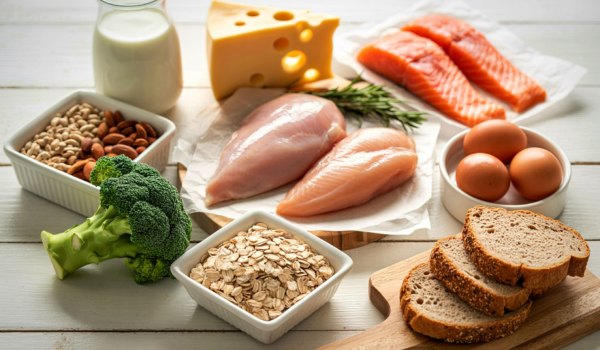
From creamy Greek yogurt to savory beans and tofu, these 10 foods offer practical ways to add protein to breakfast.
1. Greek Yogurt
Approximate protein: 14–18 grams per 6-ounce serving
Plain Greek yogurt makes a convenient breakfast when you have little time to cook. Its thick texture works well in a fruit bowl, overnight oats, or a smoothie. Protein content varies by brand, so check the label when comparing products.
Try it: Top plain Greek yogurt with berries, rolled oats, and a sprinkle of cinnamon. For a savory option, add chopped cucumber, herbs, and a little olive oil, then serve with whole-grain toast.
Choose plain yogurt if you prefer to control the amount of sweetness you add.
2. Eggs
Approximate protein: 6–7 grams per large egg
Boiled, scrambled, or baked into breakfast muffins, eggs are easy to prepare in different ways. One large egg provides roughly 6–7 grams of protein, depending on its size.
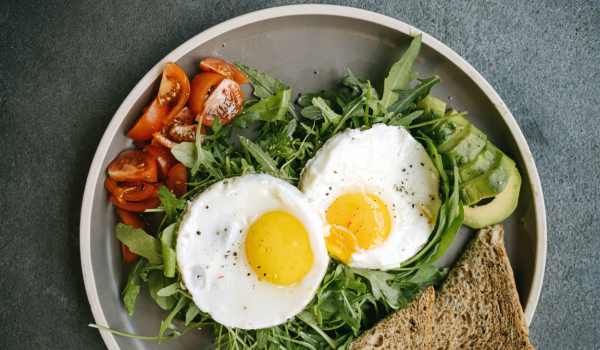
Try it: Scramble an egg with spinach and mushrooms, then serve it with whole-grain toast. Add beans or a glass of milk if you want more protein in the meal.
For busy mornings, keep a few cooked eggs refrigerated so they are ready to pair with toast and fruit.
3. Cottage Cheese
Approximate protein: 14 grams per ½-cup serving
Cottage cheese is a useful breakfast option because it works with both sweet and savory ingredients. A half-cup serving provides approximately 14 grams of protein.
Try it: Spoon cottage cheese onto whole-grain toast and top with sliced tomatoes and black pepper. Alternatively, serve it in a bowl with peaches, berries, or chopped apple.
If you find the texture unfamiliar, blend it until smooth before spreading it on toast or stirring it into pancake batter.
4. Extra-Firm Tofu
Approximate protein: 12 grams per 4-ounce serving
Tofu offers a plant-based alternative for a savory breakfast. Extra-firm tofu provides about 12 grams of protein per 4 ounces, although the amount can vary considerably between products.
Try it: Crumble tofu into a skillet with peppers, onions, and spinach. Season with turmeric, garlic, and black pepper, then serve with toast or a warm tortilla.
Use the Nutrition Facts label to compare portions, especially when switching between silken, firm, and extra-firm tofu.
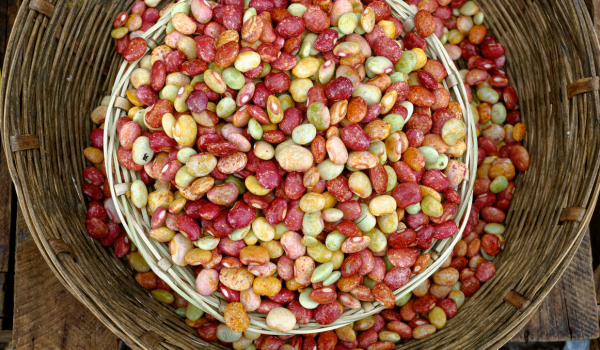
5. Black Beans
Approximate protein: 7–8 grams per ½-cup cooked serving
Beans deserve a place at the breakfast table. A half-cup of cooked black beans supplies around 7–8 grams of plant protein and can serve as the base for a breakfast bowl or wrap.
Try it: Warm black beans with cumin and spoon them into a whole-grain tortilla. Add scrambled egg or tofu, salsa, and sliced avocado.
Canned beans make preparation quicker. Drain and rinse them, and choose a no-salt-added option when available.
6. Milk
Approximate protein: 8 grams per cup
Milk can add protein to foods you already eat for breakfast. One cup provides approximately 8 grams of protein.
Try it: Cook oatmeal with milk instead of water, pour it over whole-grain cereal, or blend it with yogurt and frozen fruit.
For a breakfast you can prepare the night before, combine milk, rolled oats, and plain Greek yogurt in a covered container and refrigerate overnight.
7. Fortified Soy Milk
Fortified soy milk is another option for oatmeal, cereal, and smoothies. USDA includes fortified soy beverages in its Dairy Group because their nutritional composition is similar to dairy milk. Protein amounts differ between brands, so compare the grams per serving on the label.
Try it: Blend unsweetened fortified soy milk with banana, peanut butter, and ice, or use it to prepare warm oatmeal.
When choosing a plant-based beverage, check its protein content as well as calcium and vitamin D fortification.
8. Peanut Butter
Approximate protein: 8 grams per 2-tablespoon serving
Peanut butter is an easy way to add protein to toast, oatmeal, or a smoothie. Two tablespoons provide approximately 8 grams of protein.
Try it: Spread peanut butter over whole-grain toast and top with banana slices. Pair it with milk or soy milk for a more substantial meal.
Measure the portion when you are comparing nutrition labels; a thin spread and a generous spoonful can be very different serving sizes.
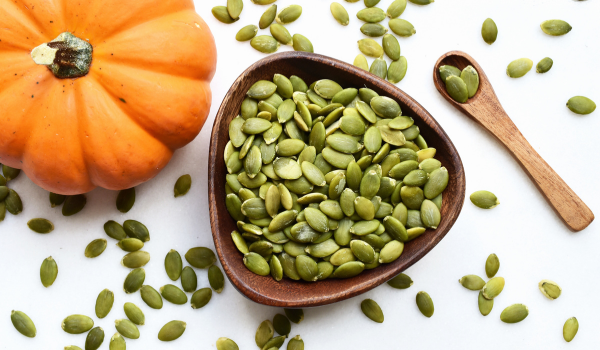
9. Pumpkin Seeds
Approximate protein: 9 grams per ounce of shelled seeds
Pumpkin seeds add crunch and protein without requiring any cooking. One ounce of shelled seeds provides approximately 9 grams of protein.
Try it: Sprinkle them over yogurt, oatmeal, or a cottage cheese bowl. They also work as a topping for savory breakfast toast.
A small sprinkle will provide less protein than a full ounce, so consider them an addition to your breakfast rather than the whole meal.
10. Almonds
Approximate protein: 6 grams per ounce
Almonds offer another convenient way to add protein and texture to breakfast. A 1-ounce serving provides about 6 grams of protein.
Try it: Add chopped almonds to overnight oats or plain yogurt. For a simple breakfast, pair them with fruit and a serving of cottage cheese.
Keep a small container of unsalted almonds ready to use when your morning meal needs an extra ingredient.
How to Build a More Satisfying Breakfast
You do not need all 10 foods in your kitchen. Start with one protein source you enjoy, then build a meal around it.
Here are four simple combinations:
-
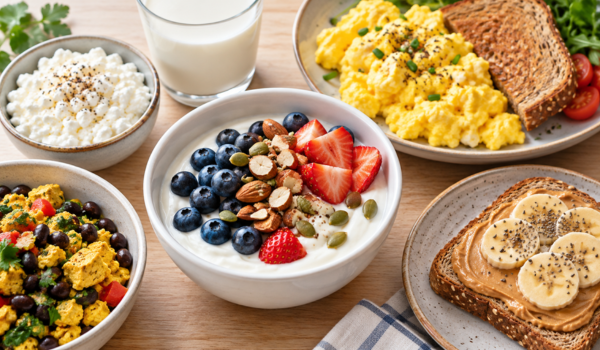
Yogurt bowl: Plain Greek yogurt, berries, rolled oats, and pumpkin seeds.
-
Savory toast: Cottage cheese, sliced tomatoes, and whole-grain toast.
-
Breakfast wrap: Black beans, scrambled egg or tofu, salsa, and a whole-grain tortilla.
-
Overnight oats: Rolled oats, milk or fortified soy milk, Greek yogurt, and fruit.
Think about the whole breakfast rather than protein alone. Fruit, vegetables, and whole grains bring variety and help turn an individual protein food into a complete meal.
Check the Serving Size
The protein amounts above are estimates. Brands, preparation methods, and serving sizes can change the amount you actually eat.
Use the grams of protein listed on the Nutrition Facts label to compare packaged foods. The FDA notes that protein generally does not have a percentage Daily Value listed, so the number of grams is the useful starting point.
A more satisfying breakfast can begin with one small change: add Greek yogurt to your oats, beans to your wrap, or cottage cheese to your toast. Choose combinations you enjoy and can prepare consistently.