.png)
If you enjoy starting your day with coffee or tea, new research suggests your daily habit could offer more than just an energy boost. A large study published in JAMA found that drinking two to three cups of caffeinated coffee or one to two cups of caffeinated tea each day may help reduce dementia risk and slow cognitive decline.
The findings are encouraging for regular coffee and tea drinkers, though researchers emphasize that the study only found an association and does not prove that caffeine directly prevents dementia.
How Researchers Conducted The Study
Because coffee and tea are consumed worldwide, researchers wanted to understand whether long-term intake of these beverages could influence brain health over time.
To investigate this, scientists analyzed data from 131,821 participants involved in two long-running research programs: the Nurses’ Health Study and the Health Professionals Follow-Up Study. Over the past 43 years, participants regularly reported their dietary habits and completed assessments related to memory, cognitive function, and dementia risk.
One important difference in this study compared to earlier research was that it separated caffeinated coffee from decaffeinated coffee, allowing researchers to better examine caffeine’s potential role in cognitive health.
What The Study Found
The results revealed a noticeable connection between caffeine intake and lower dementia risk.
Men and women who consumed the highest amounts of caffeinated coffee had an 18% lower risk of dementia compared to people who drank little or no caffeine. They also showed improvements in subjective cognitive decline and performed better on overall cognitive tests.
Researchers found that drinking two to three cups of caffeinated coffee per day appeared to provide the strongest cognitive benefits.
Tea drinkers experienced similar results. Participants who consumed one to two cups of caffeinated tea daily had approximately a 15% lower risk of dementia. However, drinking more than this amount did not appear to provide additional advantages.
Researchers noted that the study’s large size and long follow-up period make it one of the strongest pieces of evidence so far connecting caffeine consumption with brain health.
Interestingly, decaffeinated coffee did not show the same association with reduced dementia risk, suggesting caffeine itself may play a key role.
How Caffeine May Support Brain Health
Reducing Brain Inflammation
Experts explain that caffeine blocks adenosine receptors in the brain. These receptors are involved in inflammation and communication between nerve cells. Studies in animals and laboratory models of Alzheimer’s disease have linked this process to reduced amyloid buildup and improved memory performance.
Amyloid is a protein commonly found in the brains of people with Alzheimer’s disease.
Improving Vascular Health
Caffeine may also support healthy blood vessels and circulation, which can lower the risk of vascular dementia.
Supporting Metabolic Health
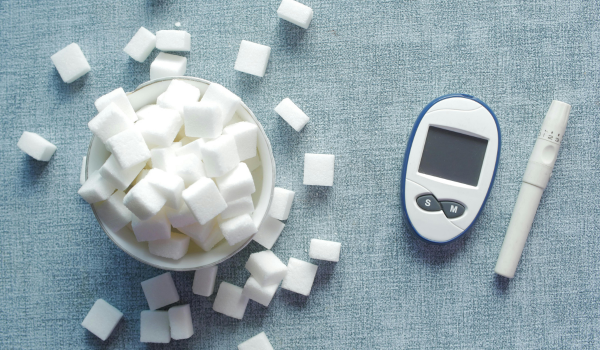
Research suggests caffeine may improve insulin sensitivity and help reduce risk factors such as obesity, diabetes, and high cholesterol. These conditions are all associated with an increased risk of cognitive decline and dementia.
Important Things To Keep In Mind
Although the study results are promising, they do not prove cause and effect. Researchers adjusted for many lifestyle and health factors, but there may still be other differences between participants that influenced the outcomes.
The study also did not analyze the different types of tea consumed or the various methods used to prepare coffee. These factors can affect caffeine levels and antioxidant content, which may influence health effects.
In addition, caffeinated beverages are not suitable for everyone. Some people may experience side effects such as anxiety, insomnia, dehydration, rapid heartbeat, or irregular heart rhythms. Anyone with these concerns should discuss caffeine intake with a healthcare provider.
What This Means For Daily Habits
For people who already tolerate caffeine well, moderate coffee or tea consumption may fit comfortably into a brain-healthy lifestyle.
Experts suggest that drinking one to three cups per day appears to be a reasonable range that may support long-term cognitive health without excessive intake.
Most importantly, coffee and tea should be viewed as just one part of a broader healthy lifestyle that includes nutritious eating, physical activity, quality sleep, stress management, and social engagement.

.png)




















.png)
.png)
.png)


.png)
.png)
.png)
.png)
.png)
.png)
.png)
.png)
.png)
.png)




.png)
.png)
.png)
.png)
.png)
.png)