
.png)
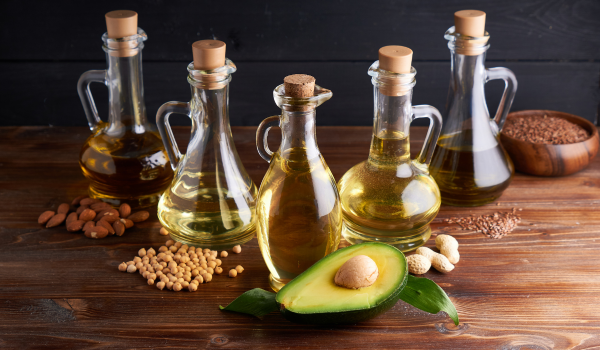
Olive oil has been a cornerstone of traditional diets in Mediterranean regions for centuries, and modern research continues to highlight its impressive health benefits. Among these, its role in supporting heart health stands out as one of the most well-established and widely recognized.
Unlike highly processed fats, olive oil provides a unique combination of healthy fats and natural compounds that work together to support cardiovascular function. Incorporating it into daily meals is a simple yet effective way to improve the quality of your diet.
Understanding how olive oil supports heart health can help you make more informed choices and build a nutrition plan that promotes long-term wellness.
What Makes Olive Oil Nutritionally Unique
Olive oil is more than just a cooking ingredient. Its nutritional profile sets it apart from many other fats and oils.
rich in monounsaturated fats
One of the primary components of olive oil is monounsaturated fat, particularly oleic acid. This type of fat is associated with improved heart health and is often recommended as a replacement for saturated fats.
Monounsaturated fats help maintain healthy cholesterol levels by supporting a balance between different types of cholesterol in the blood.
contains powerful antioxidants
Olive oil, especially extra virgin olive oil, contains antioxidants such as polyphenols and vitamin E. These compounds help protect cells from oxidative stress.
Oxidative stress can contribute to damage within blood vessels, so reducing it plays an important role in cardiovascular health.
minimal processing preserves nutrients
Extra virgin olive oil is produced with minimal processing, which helps retain its natural nutrients and beneficial compounds.
Choosing high-quality olive oil ensures that these protective components remain intact.
How Olive Oil Supports Cardiovascular Health
The benefits of olive oil extend to multiple aspects of heart health, making it a valuable addition to a balanced diet.
improving cholesterol balance
Olive oil helps support healthy cholesterol levels by increasing beneficial cholesterol while reducing harmful forms.
Maintaining this balance is important for reducing the buildup of plaque in arteries and supporting overall cardiovascular function.
supporting healthy blood vessels
The compounds found in olive oil help maintain the flexibility and function of blood vessels. Healthy blood vessels allow for better circulation and help regulate blood pressure.
Improved vascular function contributes to a reduced risk of cardiovascular issues.
reducing inflammation
Chronic inflammation is a key factor in many heart-related conditions. Olive oil contains anti-inflammatory compounds that help support the body's natural balance.
Reducing inflammation supports overall heart health and long-term wellness.
The Role Of Olive Oil In A Heart-Healthy Diet
Olive oil is most effective when used as part of a balanced dietary pattern rather than in isolation.
a key component of the mediterranean diet
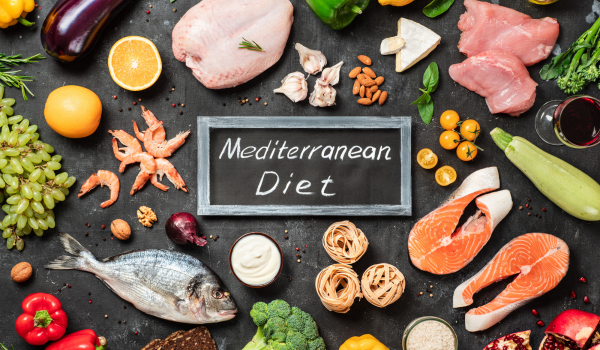
Olive oil is a central element of the Mediterranean diet, which is widely associated with improved cardiovascular health.
In this dietary pattern, olive oil replaces less healthy fats and is combined with vegetables, whole grains, fish, and legumes.
replacing less healthy fats
One of the simplest ways to improve heart health is by replacing saturated fats and trans fats with healthier alternatives.
Using olive oil instead of butter or highly processed oils can significantly improve the overall quality of meals.
enhancing nutrient absorption
Olive oil helps the body absorb fat-soluble vitamins such as vitamins A, D, E, and K. These nutrients play important roles in maintaining overall health.
Adding olive oil to salads or cooked vegetables can increase the nutritional value of meals.
How To Use Olive Oil In Everyday Meals
Incorporating olive oil into daily meals is both simple and versatile.
use it for cooking and sautéing
Olive oil can be used for cooking vegetables, proteins, and grains. Its flavor enhances dishes while providing beneficial fats.
Using moderate heat helps preserve its nutritional properties.
add it to salads and dressings
Drizzling olive oil over salads or using it in homemade dressings is an easy way to include it in meals.
Combining olive oil with vinegar, herbs, or lemon juice can create simple and flavorful dressings.
include it in meal preparation
Olive oil can be used in marinades, dips, and spreads. It pairs well with a variety of foods and can be incorporated into both simple and complex dishes.
Choosing The Right Type Of Olive Oil
Not all olive oils are the same, and choosing the right type can make a difference.
extra virgin olive oil
Extra virgin olive oil is considered the highest quality. It is produced without excessive heat or chemicals, preserving its natural nutrients and flavor.
This type of olive oil contains higher levels of antioxidants and beneficial compounds.
store and use properly
Olive oil should be stored in a cool, dark place to maintain its quality. Exposure to light and heat can reduce its nutritional value over time.
Using fresh olive oil ensures maximum benefits.
Common Misconceptions About Olive Oil
Despite its benefits, there are some common misunderstandings about olive oil.
concerns about fat content
Some people avoid olive oil because it is high in fat. However, the type of fat matters more than the amount.
Healthy fats from olive oil support heart health when consumed in appropriate amounts.
cooking with olive oil
There is a misconception that olive oil should not be used for cooking. While very high heat may reduce some nutrients, olive oil is generally suitable for most cooking methods.
Using moderate heat helps preserve its beneficial properties.
Conclusion
Olive oil is a powerful addition to a heart-healthy diet due to its rich content of monounsaturated fats and antioxidants. Its ability to support cholesterol balance, reduce inflammation, and improve blood vessel function makes it an important component of long-term cardiovascular health.
Incorporating olive oil into daily meals is a simple and effective way to improve diet quality. By replacing less healthy fats and using it in a variety of dishes, you can take a practical step toward better heart health.
Start including olive oil in your meals today and explore more nutrition insights and healthy eating strategies on Health365s to continue building a healthier lifestyle.

.png)








.png)
.png)
.png)
.png)

.png)
.png)
.png)
.png)
.png)
.png)
.png)
.png)
.png)
.png)



.png)
.png)
.png)
.png)
.png)

