
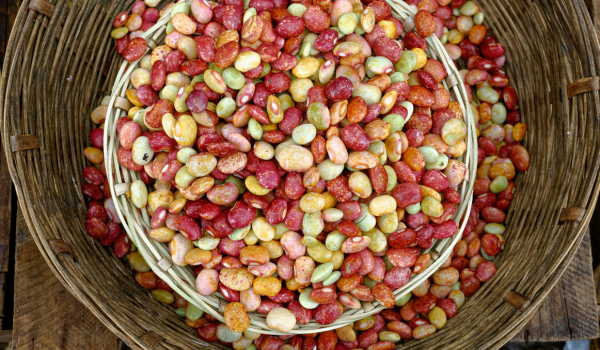
Beans are widely considered healthy foods because they provide fiber, plant protein, vitamins, minerals, and antioxidants. However, most beans are also naturally high in carbohydrates, which makes them difficult to fit into a strict ketogenic diet.
Traditional keto diets typically require very low carbohydrate intake in order to maintain ketosis, the metabolic state where the body burns fat for fuel instead of glucose.
Because many beans contain large amounts of carbohydrates per serving, they may quickly exceed the daily carb limits allowed on keto. Still, some lower-carb options, such as green beans and soybeans, can work in more flexible low-carb eating plans.
Why Most Beans Are Not Keto-Friendly
Most beans contain a substantial amount of carbohydrates, even though they are highly nutritious.
For example:
- One cup of black beans contains around 41 grams of carbohydrates
- One cup of garbanzo beans contains about 38 grams of carbohydrates
- One cup of pinto beans provides roughly 45 grams of carbohydrates
On a strict ketogenic diet, many people aim to stay between 20 and 50 grams of total carbohydrates per day. Because of this, even moderate servings of traditional beans may use up most or all of a person’s daily carb allowance.
As a result, beans such as:
- Black beans
- Kidney beans
- Chickpeas
- Cannellini beans
- Pinto beans
are usually limited or avoided on strict keto plans.
Can You Eat Beans On Keto?
Whether beans fit into a keto diet depends largely on how strict the eating plan is.
Some individuals follow a more flexible low-carb approach or practice “keto cycling,” where carbohydrate intake increases on certain days. In these situations, small portions of beans may occasionally fit into the diet.
What Is Keto Cycling?
Keto cycling involves following a ketogenic diet for several days before temporarily increasing carbohydrate intake for a short period, often one or two days.
During these higher-carb periods, foods like beans, fruits, grains, or other carbohydrate-rich foods may be included more freely.
Some people use keto cycling to:
- Increase food variety
- Improve workout performance
- Support energy levels
- Make low-carb eating easier to maintain long term
However, keto cycling may reduce or interrupt ketosis depending on carbohydrate intake.
Health Benefits Of Beans
Although many beans are too high in carbohydrates for strict keto diets, they still provide important health benefits.
Beans are rich in:
- Dietary fiber
- Plant protein
- Antioxidants
- Vitamins and minerals
- Phytochemicals
Research has linked regular bean consumption with several positive health outcomes.
Improved Gut Health
Beans contain fiber that helps nourish beneficial gut bacteria and support digestive health.
A healthy gut microbiome may contribute to better immune function, digestion, and metabolic health.
Better Heart Health
Bean-rich diets have been associated with improvements in cholesterol levels and blood pressure, both important for cardiovascular health.
Lower Risk Of Type 2 Diabetes
The fiber and protein in beans may help improve blood sugar control and reduce insulin resistance when included as part of a balanced diet.
Weight Management Support
Because beans are filling and nutrient-dense, they may help increase satiety and reduce overeating in some individuals.
Lower-Carb Beans That May Fit Better On Keto
While most beans are relatively high in carbohydrates, some varieties are lower in carbs and may fit into certain low-carb or keto-friendly meal plans more easily.
Green Beans
Green beans are much lower in carbohydrates compared to traditional beans because they are technically eaten as immature pods rather than dried legumes.
One cup of green beans contains approximately:
- 5 grams of carbohydrates
- 1 gram of protein
- 31 calories
Green beans are often considered one of the more keto-friendly options.
Soybeans (Edamame)
Edamame, or young soybeans, contain more protein and fewer carbohydrates than many other legumes.
One cup provides approximately:
- 14 grams of carbohydrates
- 18 grams of protein
- 224 calories
Edamame may work well in moderate amounts for some low-carb eaters.
Black Soybeans
Black soybeans are another lower-carb legume option popular in keto recipes.
One cup contains approximately:
- 16 grams of carbohydrates
- 22 grams of protein
- 240 calories
Because of their high protein content and lower net carbs compared to traditional beans, black soybeans are often used in keto-friendly dishes.
Green Peas
Green peas are somewhat higher in carbohydrates than green beans or soybeans but may still fit into more moderate low-carb plans.
One cup contains approximately:
- 23 grams of carbohydrates
- 8 grams of protein
- 125 calories
Portion control becomes especially important when including peas in lower-carb diets.
Are Beans Healthy Even If They Aren’t Keto?
For many people, beans can still be part of a healthy eating pattern even if they are not ideal for strict ketosis.
Nutrition experts often emphasize that foods should not be judged solely by carbohydrate content. Beans provide nutrients associated with long-term health benefits, particularly for heart health, digestion, and blood sugar balance.
People following less restrictive low-carb diets may still enjoy beans in moderate amounts while maintaining overall healthy eating habits.
The Bottom Line
Most beans are too high in carbohydrates to fit comfortably into a strict ketogenic diet. However, lower-carb options such as green beans, soybeans, and black soybeans may work in more flexible low-carb eating plans.
Although traditional beans may interfere with ketosis, they remain highly nutritious foods rich in fiber, protein, and important plant compounds that support overall health.
Choosing whether to include beans on keto depends on individual carbohydrate goals, dietary preferences, and long-term sustainability.

.png)

.png)
.png)
.png)
.png)
.png)
.png)
.png)
.png)
.png)
.png)
.png)
.png)
.png)
.png)


.png)
.png)
.png)
.png)
.png)
.png)

