
.png)
Many people start their health journey with strong motivation, only to find that strict diets and short-term plans are difficult to maintain. Sustainable eating offers a different approach—one that focuses on long-term habits rather than temporary results. It is not about perfection or restriction, but about building a way of eating that fits naturally into your life.
Sustainable eating habits support consistent nutrition, stable energy levels, and overall well-being over time. By making practical and realistic choices, it becomes easier to maintain healthy routines without feeling overwhelmed.
Understanding how to build sustainable eating habits can help you create a balanced lifestyle that supports both your current health and your future well-being.
What Sustainable Eating Really Means
Sustainable eating focuses on habits that can be maintained over the long term without causing stress or disruption to daily life.
balance over restriction
Instead of eliminating entire food groups, sustainable eating encourages balance. It includes a variety of foods that provide essential nutrients while allowing flexibility.
This approach makes it easier to maintain consistency and avoid burnout.
consistency as the foundation
Small, consistent habits often have a greater impact than short-term changes. Regularly choosing nutrient-dense foods and balanced meals helps support long-term health.
Consistency builds routines that become part of everyday life.
Why Sustainability Matters In Nutrition
Sustainability is one of the most important factors in achieving lasting health results.
avoiding the cycle of dieting
Strict diets can lead to temporary results but are often followed by a return to previous habits. Sustainable eating helps break this cycle by focusing on realistic and manageable changes.
supporting long-term health outcomes
Consistent healthy habits contribute to improved energy levels, better digestion, and reduced risk of chronic conditions.
Over time, these benefits become more significant.
Building Balanced Meals For Everyday Eating
Balanced meals are a key component of sustainable eating.
include all major nutrients
A balanced meal typically includes vegetables, protein, whole grains or complex carbohydrates, and healthy fats.
This combination supports energy, satiety, and overall nutrition.
use simple meal structures
Keeping meals simple makes it easier to maintain healthy habits. For example, combining grilled protein, vegetables, and whole grains can create a nutritious and satisfying meal.
Simple structures reduce the need for complicated planning.
Making Gradual And Practical Changes
Sustainable eating is built on gradual improvements rather than drastic changes.
start with small adjustments
Replacing one or two less nutritious foods with healthier alternatives can make a meaningful difference.
For example, choosing whole grains instead of refined grains or adding more vegetables to meals.
build habits over time
Habits develop through repetition. Focusing on one change at a time helps ensure that new behaviors become part of your routine.
The Role Of Mindful Eating
Mindful eating supports sustainable habits by encouraging awareness and intentional choices.
pay attention to hunger and fullness
Listening to your body’s signals helps prevent overeating and supports better portion control.
reduce distractions during meals
Eating without distractions allows you to focus on your food and enjoy the experience.
This practice can improve both digestion and satisfaction.
Choosing Whole And Nutrient-Dense Foods
Whole foods provide essential nutrients that support overall health.
prioritize minimally processed foods
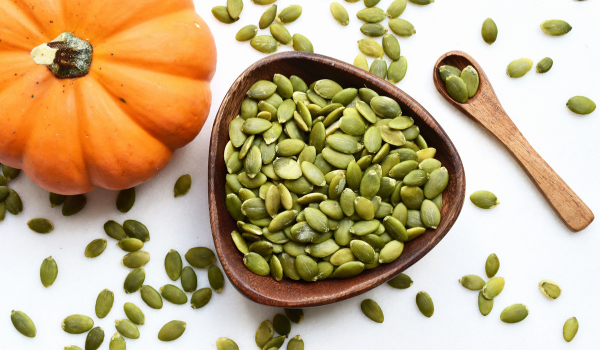
Foods such as fruits, vegetables, whole grains, legumes, nuts, seeds, and lean proteins are rich in vitamins, minerals, and fiber.
These foods help build a strong nutritional foundation.
limit highly processed options
While occasional processed foods can be included, relying on them regularly may reduce overall diet quality.
Balancing convenience with whole food choices supports better health.
Planning And Preparation For Success
Preparation can make sustainable eating more manageable.
plan meals ahead
Meal planning helps ensure that healthy options are available and reduces reliance on less nutritious choices.
keep healthy foods accessible
Having fruits, vegetables, and other nutritious foods readily available makes it easier to make better choices.
Convenience plays a significant role in daily habits.
Allowing Flexibility And Enjoyment
Sustainable eating includes room for flexibility and enjoyment.
avoid strict rules
Rigid rules can make eating habits difficult to maintain. Allowing flexibility helps create a more balanced approach.
enjoy a variety of foods
Including a range of foods helps prevent boredom and supports a positive relationship with eating.
Enjoyment is an important part of long-term success.
Common Mistakes To Avoid
Certain habits can make sustainable eating more challenging.
trying to change everything at once
Making too many changes at the same time can lead to overwhelm. Gradual improvements are more effective.
being overly restrictive
Excessive restriction can reduce enjoyment and make habits difficult to maintain.
ignoring lifestyle factors
Sleep, physical activity, and stress management all influence eating habits and overall health.
Conclusion
Sustainable eating habits provide a practical and effective way to support long-term health. By focusing on balance, consistency, and gradual improvement, it becomes possible to build a way of eating that fits naturally into daily life.
Simple strategies such as building balanced meals, choosing whole foods, practicing mindful eating, and allowing flexibility can make a lasting difference.
Start by making one small change today and build on it over time. Explore more nutrition insights and healthy eating guides on Health365s to continue creating a healthier and more sustainable lifestyle.

.png)




















.png)
.png)
.png)
.png)


.png)
.png)
.png)
.png)
.png)
.png)
.png)
.png)
.png)




.png)
.png)
.png)
.png)
.png)
.png)

