
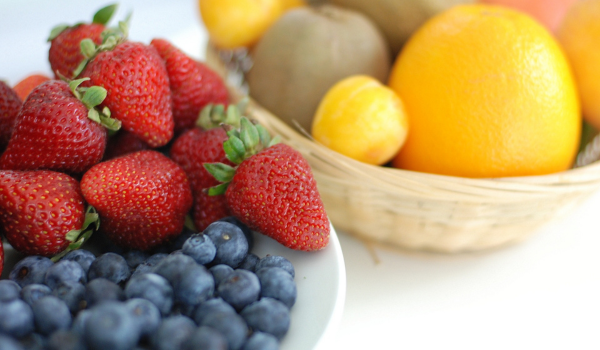
Summer is the perfect season to enjoy fresh fruit, but if nutrition experts had to choose one standout option, raspberries would be high on the list. These small berries are packed with fiber, vitamin C, antioxidants, and other beneficial plant compounds that support overall health.
Whether eaten fresh or frozen, raspberries are a nutritious addition to snacks, breakfasts, desserts, and smoothies. Here's why dietitians consider them one of the healthiest fruits to enjoy during the summer months.
Why Raspberries Are So Nutritious
Despite being low in calories, raspberries provide an impressive variety of vitamins, minerals, fiber, and antioxidants.
Approximately 100 grams of fresh raspberries contain:
- 52 calories
- 1.2 grams of protein
- 0.65 grams of fat
- 11.9 grams of carbohydrates
- 6.5 grams of fiber
- 4.4 grams of natural sugar
- 25 milligrams of calcium
- 22 milligrams of magnesium
- 151 milligrams of potassium
- 26.2 milligrams of vitamin C
Raspberries also provide vitamin K, manganese, selenium, and numerous antioxidant-rich plant compounds.
Rich In Fiber
One of the biggest nutritional advantages of raspberries is their exceptionally high fiber content.
Compared with many other summer berries, raspberries provide more fiber per serving.
Why Fiber Matters
Dietary fiber may help:
- Support healthy digestion
- Promote regular bowel movements
- Increase feelings of fullness
- Help maintain healthy cholesterol levels
- Support healthy blood sugar management
Because they combine high fiber with relatively low natural sugar, raspberries make an excellent snack for many people.
Excellent Source Of Vitamin C
Raspberries provide a significant amount of vitamin C, an essential nutrient involved in many important functions.
Benefits Of Vitamin C
Vitamin C helps:
- Support immune function
- Promote collagen production
- Maintain healthy skin
- Protect cells from oxidative stress
- Improve wound healing
Including vitamin C-rich foods regularly can help support overall health throughout the year.
Packed With Antioxidants
Raspberries contain a wide variety of natural antioxidants that help protect cells from damage caused by free radicals.
Some of their most notable plant compounds include:
- Ellagic acid
- Quercetin
- Beta-carotene
- Lutein
- Zeaxanthin
- Selenium
These compounds are being studied for their potential role in supporting heart, brain, and overall cellular health.
Potential Health Benefits
The combination of fiber, vitamins, minerals, and antioxidants makes raspberries a nutrient-dense fruit that may support several aspects of health.
Digestive Health
The high fiber content helps nourish beneficial gut bacteria and supports healthy digestion.
Heart Health
Fiber and antioxidant compounds may contribute to healthy cholesterol levels and support cardiovascular health as part of an overall balanced diet.
Immune Support
Vitamin C and antioxidants help support the body's natural immune defenses.
Bone Health
Minerals such as magnesium and vitamin K contribute to maintaining healthy bones.
Brain Health
Some research suggests that antioxidant-rich berries may help protect brain cells from oxidative stress associated with aging, although more studies are needed.
Fresh Vs. Frozen Raspberries
Many people assume fresh berries are always healthier, but frozen raspberries provide nearly identical nutritional value.
Because they are usually frozen shortly after harvest, frozen raspberries retain most of their vitamins, minerals, fiber, and antioxidants.
Benefits Of Frozen Raspberries
- Available year-round
- Often less expensive
- Convenient for smoothies
- Longer shelf life
- Less food waste
Choose products without added sugar whenever possible.
How To Pick The Best Raspberries
Fresh raspberries are delicate and spoil quickly, so selecting high-quality fruit is important.
Choose Raspberries That Are
- Bright or deep red
- Firm
- Plump
- Dry
- Uniform in color
Avoid Raspberries That Are
- Mushy
- Soft
- Crushed
- Leaking juice
- Moldy
- Shriveled
Because raspberries are highly perishable, refrigerate them soon after purchasing.
Healthy Ways To Enjoy Raspberries
Raspberries are incredibly versatile and require little preparation.
Smoothies
Blend raspberries with banana, Greek yogurt, milk, chia seeds, or nut butter for a nutritious breakfast or snack.
Frozen Yogurt Bark
Spread Greek yogurt on a baking tray, top with raspberries, nuts, or dark chocolate chips, then freeze until firm.
Homemade Popsicles
Blend raspberries with water and fresh lemon juice before freezing in popsicle molds.
Overnight Oats
Mix fresh or frozen raspberries into overnight oats for extra fiber and natural sweetness.
Pancakes
Fold frozen raspberries into pancake batter before cooking.
Homemade Chia Jam
Cook raspberries briefly and combine them with chia seeds for a simple fruit spread.
Salads
Add raspberries to leafy green salads with walnuts, goat cheese, or feta.
Healthy Desserts
Use raspberries in muffins, whole-grain breads, yogurt parfaits, or fruit salads.
How To Store Raspberries
Proper storage helps extend freshness.
Fresh Raspberries
Store unwashed raspberries in the refrigerator and wash them just before eating.
Use them within a few days for the best quality.
Frozen Raspberries
Freeze fresh raspberries in a single layer before transferring them to an airtight freezer bag or container.
Frozen raspberries can be enjoyed in smoothies, baked goods, oatmeal, and desserts for several months.
Final Thoughts
Raspberries are one of the most nutritious fruits available during the summer. They provide an impressive combination of fiber, vitamin C, antioxidants, and essential minerals while remaining naturally low in calories and sugar.
Whether you enjoy them fresh, frozen, or incorporated into healthy recipes, raspberries are an easy and delicious way to support digestive, heart, immune, bone, and overall health throughout the summer season.

.png)








.png)
.png)
.png)
.png)

.png)
.png)
.png)
.png)
.png)
.png)
.png)
.png)
.png)
.png)




.png)
.png)
.png)
.png)

