
Yogurt has a reputation for being a nutritious breakfast or snack. Depending on the variety, it can provide protein, calcium, probiotics, and other important nutrients.
However, not every yogurt is equally healthy. Flavored varieties, especially those containing fruit preparations, dessert-inspired flavors, or mix-ins, can contain surprisingly large amounts of added sugar.
Some popular yogurt products even contain more added sugar per serving than a serving of vanilla ice cream.
Understanding nutrition labels can help you choose yogurt that provides the benefits you're looking for without adding excessive amounts of sugar to your diet.
7 Yogurts That Can Be Surprisingly High in Added Sugar
Added sugar varies considerably between yogurt brands and flavors. Here are seven examples of popular products that contain notable amounts per serving.
- Chobani Flip Chocolate Covered Strawberry: 16 grams of added sugar per 4.5-ounce serving, or about 4 teaspoons.
- Stonyfield Organic Whole Milk Probiotic Yogurt, Strawberry: 11 grams of added sugar per 6-ounce serving, or approximately 2.75 teaspoons.
- Yoplait Strawberry Cheesecake: 13 grams of added sugar per 6-ounce serving, equivalent to roughly 3.25 teaspoons.
- Yoplait Key Lime Pie Whips! Single Serve: 18 grams of added sugar per 4-ounce serving, or approximately 4.5 teaspoons.
- Dannon Fruit on the Bottom Blueberry: 11 grams of added sugar per 5.3-ounce serving, or around 2.75 teaspoons.
- La Fermière Creamy French Yogurt, Raspberry Blueberry: 15 grams of added sugar per 4.9-ounce serving, equivalent to about 3.75 teaspoons.
- Noosa Mix-Ins S’mores: 20 grams of added sugar per 5.8-ounce serving, or approximately 5 teaspoons.
For comparison, a ⅔-cup serving of Turkey Hill Original Vanilla Ice Cream contains about 10 grams of added sugar.
That means each of these yogurt products can provide as much—or more—added sugar than a serving of vanilla ice cream.
Nutrition information can change when manufacturers reformulate products, so checking the current Nutrition Facts label is important.
Why Does Yogurt Contain Added Sugar?
Plain yogurt naturally contains some sugar in the form of lactose, the carbohydrate naturally present in milk.
This is different from added sugar.
Manufacturers may add sugar to yogurt to balance its naturally tart flavor and make flavored products sweeter and more appealing.
Added sugars can come from ingredients such as:
- Cane sugar
- Corn syrup
- Fruit preparations
- Syrups
- Honey
- Sweetened toppings
- Chocolate pieces
- Cookie or granola mix-ins
Dessert-inspired yogurts can be particularly high in added sugar because the yogurt itself may be sweetened before additional toppings are included.
Natural Sugar vs. Added Sugar
When reading a yogurt label, don't automatically assume that every gram listed under "Total Sugars" represents added sugar.
Milk naturally contains lactose, while yogurt containing whole fruit may also contain naturally occurring fruit sugars.
The Nutrition Facts panel separately lists "Added Sugars," making it easier to determine how much sugar was added during manufacturing.
For example, a yogurt could contain 15 grams of total sugar but only 5 grams of added sugar. The remaining sugar may primarily come naturally from milk and fruit.
For people trying to reduce added sugar, the "Includes Added Sugars" line is therefore one of the most useful parts of the label.
Why Too Much Added Sugar Can Be a Problem
Eating a small amount of added sugar occasionally isn't likely to cause health problems for most people.
The concern is how quickly added sugar can accumulate throughout the day.
Sweetened yogurt may be eaten alongside other common sources of added sugar, including:
- Sweetened coffee
- Breakfast cereals
- Granola
- Soft drinks
- Energy drinks
- Desserts
- Snack bars
- Sauces and condiments
Regularly consuming excessive amounts of added sugar has been associated with a greater risk of several health problems, including weight gain, type 2 diabetes, cardiovascular disease, and metabolic disorders.
Because yogurt is generally perceived as healthy, its contribution to daily added sugar intake can be easy to overlook.
How Much Added Sugar Is Too Much?
The American Heart Association recommends keeping added sugar relatively limited.
Its general recommendations are no more than approximately:
- 25 grams, or about 6 teaspoons, per day for women
- 36 grams, or about 9 teaspoons, per day for men
Consider a yogurt containing 20 grams of added sugar.
That single serving would provide about 80% of the recommended daily maximum for women and more than half of the recommended maximum for men.
And that's before accounting for added sugar from everything else eaten or drunk during the day.
Is Sweetened Yogurt Unhealthy?
Not necessarily.
Nutrition is better evaluated by looking at your overall dietary pattern rather than labeling individual foods as simply "healthy" or "unhealthy."
Sweetened yogurt can still provide valuable nutrients, including:
- Protein
- Calcium
- Phosphorus
- Vitamin B12
- Potassium
- Probiotics in varieties containing live cultures
The issue is primarily how frequently high-sugar varieties are eaten and how much added sugar you're consuming from the rest of your diet.
A dessert-style yogurt can occasionally fit into a balanced diet. But if yogurt is something you eat every day, choosing a lower-sugar option may make it easier to control overall added sugar intake.
What To Look for When Buying Yogurt
Don't rely entirely on phrases such as "organic," "probiotic," "Greek," or "made with real fruit."
These characteristics don't necessarily indicate that a yogurt is low in added sugar.
Instead, turn the package over and examine the Nutrition Facts panel.
Check Added Sugar
Compare the "Includes Added Sugars" line across similar products.
Two strawberry yogurts sitting next to each other on the shelf can have dramatically different amounts of added sugar.
Look at Protein
Protein helps make yogurt more satisfying.
Greek and Icelandic-style yogurts are often higher in protein than traditional yogurt, though amounts vary considerably by brand.
Consider the Ingredient List
A long ingredient list isn't automatically bad, but it can help you identify where sweetness is coming from.
Look for ingredients such as sugar, cane sugar, syrups, honey, sweetened fruit preparations, or dessert-style mix-ins.
Check Serving Size
Don't compare sugar numbers without considering serving size.
A yogurt containing 12 grams of added sugar in a large container isn't necessarily sweeter than one containing 10 grams in a much smaller container.
Plain Yogurt Gives You More Control
One of the easiest ways to reduce added sugar is to start with plain yogurt.
You can then control the sweetness yourself.
Try adding:
- Strawberries
- Blueberries
- Raspberries
- Banana
- Peaches
- Apples
- Cinnamon
- Chia seeds
- Nuts
- Unsweetened granola
Fruit provides natural sweetness along with fiber, vitamins, minerals, and beneficial plant compounds.
Be Careful When Adding Your Own Sweeteners
Choosing plain yogurt doesn't automatically mean your finished snack will contain less added sugar.
It's easy to add generous amounts of:
- Honey
- Maple syrup
- Jam
- Preserves
- Granola
- Chocolate
- Sweetened dried fruit
In one study, people who sweetened plain yogurt themselves added an average of 13.6 grams of sugar—more than the average amount found in the commercially sweetened yogurt used for comparison.
The lesson isn't that you should never sweeten plain yogurt. Instead, pay attention to the amount you add.
A small drizzle of honey can taste very different from several tablespoons while contributing much less sugar.
Try Mixing Plain and Flavored Yogurt
If plain yogurt tastes too tart, you don't have to switch immediately.
Try combining equal amounts of plain and flavored yogurt.
This can significantly reduce added sugar while maintaining some of the sweetness you're accustomed to.
Over time, gradually increase the proportion of plain yogurt as your taste preferences adjust.
This approach can be especially useful for people accustomed to very sweet yogurt.
Don't Forget the Toppings
Sometimes the yogurt isn't the biggest source of sugar—the toppings are.
Granola, chocolate chips, cookie pieces, sweetened dried fruit, flavored syrups, and cereal can quickly transform a relatively balanced yogurt bowl into something closer to dessert.
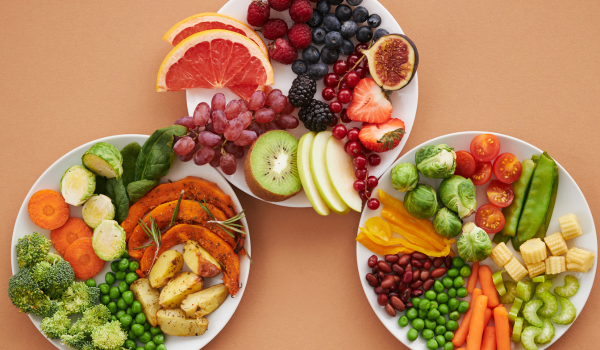
For a more balanced bowl, consider combining plain or lower-sugar yogurt with fresh fruit, nuts, seeds, or a modest amount of unsweetened granola.
This provides texture and flavor while adding fiber, healthy fats, and other nutrients.
What About Yogurt With Artificial or Non-Caloric Sweeteners?
Some lower-sugar yogurts use sweeteners such as stevia, monk fruit, sucralose, or other sugar substitutes.
These products can provide sweetness with little or no added sugar.
Whether they're a good choice depends partly on your preferences and dietary needs.
Some people enjoy them, while others dislike the taste or prefer products without non-caloric sweeteners.
Plain yogurt with fruit is another option if you want sweetness without relying heavily on either added sugar or sugar substitutes.
The Bottom Line
Yogurt can be an excellent source of protein, calcium, probiotics, and other nutrients, but flavored varieties aren't always as low in sugar as their healthy reputation might suggest.
Some popular products contain 11-20 grams of added sugar per serving—equal to or greater than the amount found in some servings of vanilla ice cream.
You don't necessarily need to eliminate flavored yogurt. Instead, check the Nutrition Facts label, compare added sugar between products, and consider how the yogurt fits into your overall daily diet.
For an everyday option, plain or lower-added-sugar yogurt topped with fresh fruit, nuts, seeds, or other minimally sweetened ingredients can provide the nutritional benefits of yogurt while giving you greater control over how much sugar you consume.















.png)
.png)
.png)
.png)


.png)
.png)
.png)
.png)
.png)
.png)
.png)
.png)
.png)
.png)




.png)
.png)
.png)
.png)
.png)
.png)
.png)