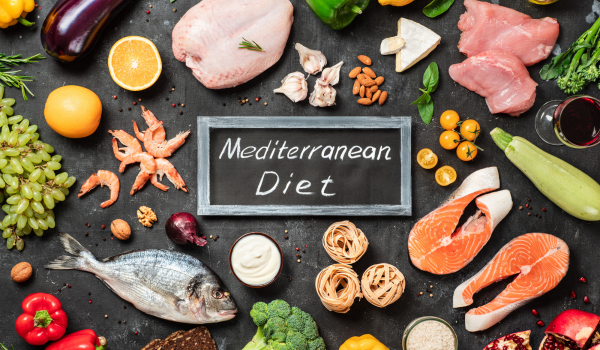
Choosing the right diet can be confusing, especially with so many popular approaches promising better health, weight loss, or improved energy. From low-carb plans to plant-based eating, each diet offers its own benefits and limitations. Among these options, the Mediterranean diet consistently stands out as one of the most balanced and sustainable approaches.
Unlike restrictive diets that focus on eliminating certain food groups, the Mediterranean diet emphasizes variety, whole foods, and long-term habits. Understanding how it compares to other popular diets can help you make a more informed decision about what works best for your lifestyle and health goals.
By exploring these differences, you can better understand why the Mediterranean diet is often recommended for overall wellness.
What Defines The Mediterranean Diet
The Mediterranean diet is based on traditional eating patterns from countries surrounding the Mediterranean Sea. It focuses on whole, minimally processed foods and encourages balance rather than restriction.
key characteristics of the mediterranean diet
This dietary pattern includes a high intake of vegetables, fruits, whole grains, legumes, nuts, and seeds. Olive oil is the primary source of fat, and fish is a common protein choice.
Dairy, poultry, and eggs are consumed in moderation, while red meat and highly processed foods are limited.
Meals are often simple, fresh, and rich in nutrients, making this approach both practical and sustainable.
a focus on long-term lifestyle
The Mediterranean diet is not just about food. It also includes lifestyle factors such as mindful eating, social meals, and regular physical activity.
This holistic approach contributes to its long-term success.
Mediterranean Diet Vs Low-Carb Diets
Low-carb diets are among the most popular approaches for weight management, but they differ significantly from the Mediterranean diet.
differences in carbohydrate intake
Low-carb diets typically restrict carbohydrates, often limiting foods such as grains, fruits, and legumes. The Mediterranean diet, on the other hand, includes these foods as part of a balanced eating pattern.
Whole grains and legumes provide fiber and essential nutrients that support digestion and energy.
impact on sustainability
Low-carb diets can be effective in the short term, but they may be difficult to maintain due to their restrictive nature.
The Mediterranean diet allows for greater flexibility, making it easier to follow over time.
nutritional balance
By including a wider range of food groups, the Mediterranean diet provides a more balanced intake of nutrients compared to highly restrictive low-carb approaches.
Mediterranean Diet Vs Keto Diet
The ketogenic diet is a high-fat, very low-carbohydrate approach designed to shift the body into a state of ketosis.
macronutrient differences
The keto diet emphasizes high fat intake and severely limits carbohydrates. In contrast, the Mediterranean diet includes moderate amounts of healthy fats along with carbohydrates from whole foods.
This balance allows for a more varied and flexible diet.
long-term health considerations
While the keto diet may support short-term weight loss, its long-term effects are still being studied. The Mediterranean diet, however, is supported by extensive research demonstrating its benefits for heart health and longevity.
ease of adherence
The restrictive nature of the keto diet can make it challenging to maintain. The Mediterranean diet is generally easier to follow due to its flexibility and variety.
Mediterranean Diet Vs Plant-Based Diets
Plant-based diets focus on reducing or eliminating animal products, while the Mediterranean diet includes both plant and animal foods in moderation.
similarities in plant emphasis
Both diets emphasize vegetables, fruits, whole grains, and legumes. This shared focus on plant-based foods contributes to their health benefits.
differences in protein sources
Plant-based diets may rely entirely on plant proteins, while the Mediterranean diet includes fish, poultry, eggs, and dairy in moderate amounts.
This variety can make it easier to meet protein and nutrient needs.
flexibility and adaptability
The Mediterranean diet allows for a wider range of food choices, making it more adaptable to different preferences and lifestyles.
Mediterranean Diet Vs Standard Western Diet
The standard Western diet is often characterized by high intake of processed foods, refined sugars, and unhealthy fats.
quality of food choices
The Mediterranean diet prioritizes whole foods and nutrient-dense ingredients, while the Western diet often includes highly processed items with lower nutritional value.
impact on health outcomes
Research shows that the Western diet is associated with higher risks of chronic diseases, while the Mediterranean diet is linked to improved health outcomes.
overall dietary pattern
The Mediterranean diet encourages balance and variety, whereas the Western diet often lacks sufficient fruits, vegetables, and whole grains.
Why The Mediterranean Diet Stands Out
The Mediterranean diet is widely recommended because of its balance, flexibility, and strong scientific support.
sustainability and enjoyment
Unlike restrictive diets, the Mediterranean approach allows for enjoyable meals without strict limitations. This makes it easier to maintain over time.
comprehensive health benefits
The combination of nutrient-dense foods supports heart health, brain function, metabolic balance, and overall wellness.
adaptability to different lifestyles
The principles of the Mediterranean diet can be adapted to various cuisines and preferences, making it accessible to a wide range of individuals.
How To Choose The Right Diet For You
Selecting a diet depends on individual goals, preferences, and lifestyle.
consider long-term sustainability
A diet that can be maintained over time is more effective than one that offers quick results but is difficult to follow.
focus on nutritional balance
Choosing a diet that provides a wide range of nutrients supports overall health.
align with personal preferences
Enjoying the foods you eat increases the likelihood of maintaining healthy habits.
Conclusion
The Mediterranean diet stands out among popular diets for its balanced approach, flexibility, and strong scientific backing. While other diets may offer specific benefits, they often come with restrictions that can make them difficult to sustain.
By focusing on whole foods, healthy fats, and a variety of nutrients, the Mediterranean diet provides a practical and enjoyable way to support long-term health.
If you are looking for a sustainable approach to healthy eating, consider adopting the principles of the Mediterranean diet. Explore more nutrition insights and healthy eating guides on Health365s to continue building a healthier lifestyle.

.png)




















.png)
.png)
.png)
.png)


.png)
.png)
.png)
.png)
.png)
.png)
.png)
.png)
.png)
.png)



.png)
.png)
.png)
.png)
.png)
.png)