
.png)
Eating healthy is often associated with complicated diet plans, calorie counting, or strict food rules. However, improving nutrition can be surprisingly simple when the focus shifts toward nutrient-dense foods. These foods provide high levels of vitamins, minerals, fiber, and beneficial compounds while supporting overall health and energy.
Rather than drastically changing everything you eat, small adjustments to everyday meals can make a meaningful difference. Choosing foods that deliver more nutritional value allows the body to receive essential nutrients without needing excessive calories.
Learning simple ways to increase nutrient density can help build a sustainable eating pattern that supports long-term health, better digestion, and improved vitality.
What Nutrient-Dense Foods Really Mean
Nutrient-dense foods are those that provide a high concentration of beneficial nutrients relative to their calorie content. These foods typically contain vitamins, minerals, antioxidants, fiber, and healthy fats that support many bodily functions.
nutrient density vs calorie density
Many processed foods are calorie-dense but nutritionally poor. Items such as sugary snacks, refined baked goods, and ultra-processed meals often provide large amounts of calories while offering little nutritional value.
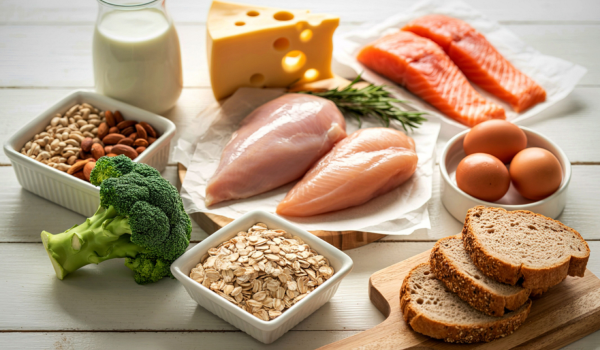
In contrast, nutrient-dense foods deliver a wide range of nutrients that support immune function, brain health, digestion, and metabolic balance. Examples include vegetables, fruits, whole grains, legumes, nuts, seeds, lean proteins, and fatty fish.
Choosing these foods regularly can improve the overall quality of a diet without requiring strict restrictions.
why nutrient density matters for everyday health
A nutrient-rich diet supports the body's ability to function efficiently. Vitamins and minerals play key roles in energy production, hormone balance, tissue repair, and immune defense.
For instance, leafy greens provide folate and vitamin K, which support cardiovascular and bone health. Berries contain antioxidants that help protect cells from oxidative stress. Whole grains contribute fiber that supports digestion and helps regulate blood sugar levels.
By focusing on nutrient density, meals become more nourishing and satisfying while supporting long-term wellness.
10 Simple Ways To Eat More Nutrient-Dense Foods
Improving nutrient intake does not require dramatic dietary changes. Small adjustments to food choices and cooking habits can significantly increase the nutritional value of everyday meals.
1. build meals around vegetables
Vegetables are among the most nutrient-dense foods available. They are rich in fiber, vitamins, minerals, and antioxidants while being naturally low in calories.
Adding vegetables to every meal can dramatically increase nutrient intake. Examples include spinach in omelets, roasted vegetables with lunch bowls, or leafy greens in dinner salads.
2. choose whole grains instead of refined grains
Whole grains contain more fiber and micronutrients than refined grains because they retain the bran and germ layers of the grain.
Foods such as brown rice, quinoa, oats, barley, and whole wheat products provide steady energy and support digestive health. Replacing refined grains with whole grains can improve overall nutrient intake.
3. include protein in every meal
Protein-rich foods help maintain muscle health, support metabolism, and promote satiety.
Lean meats, fish, eggs, legumes, tofu, Greek yogurt, and beans are excellent protein sources. Including protein in meals can also help stabilize blood sugar and prevent excessive hunger between meals.
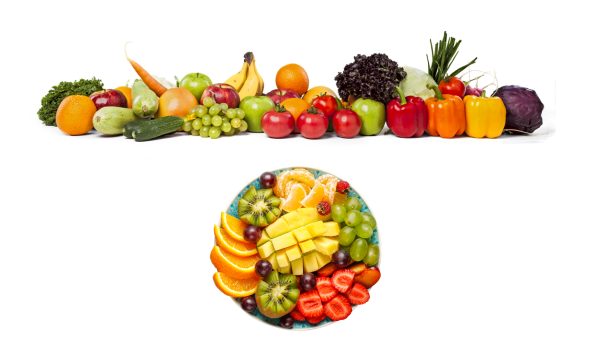
4. prioritize colorful fruits
Different colored fruits often contain unique phytonutrients that provide health benefits.
Berries offer antioxidants that support cellular health. Citrus fruits contain vitamin C that helps support immune function. Bananas provide potassium that supports heart and muscle function.
Eating a variety of fruits ensures a broader spectrum of beneficial nutrients.
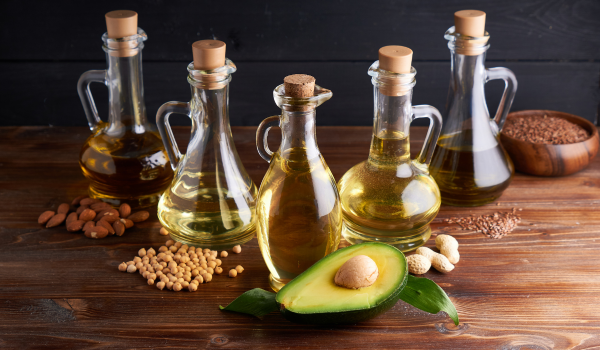
5. add healthy fats to meals
Healthy fats help the body absorb fat-soluble vitamins and support brain and heart health.
Avocados, nuts, seeds, olive oil, and fatty fish such as salmon and sardines provide beneficial fats that enhance both nutrition and meal satisfaction.
Even small additions like a drizzle of olive oil or a handful of almonds can increase nutrient density.
6. snack on whole foods
Snacks can either contribute meaningful nutrition or add empty calories.
Replacing processed snacks with nutrient-dense options such as fresh fruit, yogurt, nuts, boiled eggs, or hummus with vegetables can significantly improve daily nutrient intake.
Whole-food snacks also tend to provide more fiber and protein, helping maintain stable energy levels.
7. incorporate legumes regularly
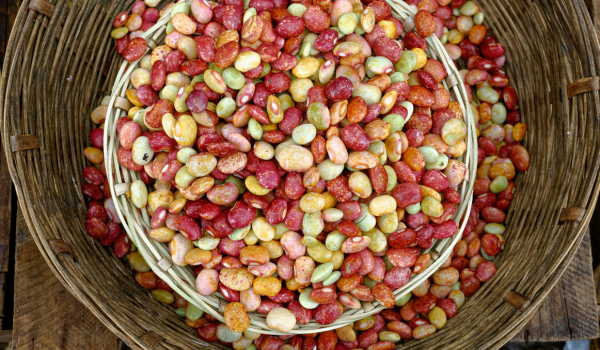
Beans, lentils, and chickpeas are excellent sources of plant-based protein, fiber, iron, and folate.
Adding legumes to soups, salads, grain bowls, or stews increases the nutrient density of meals while supporting digestive health.
They are also versatile and affordable ingredients that can be used in many dishes.
8. choose minimally processed foods
The more a food is processed, the more likely it has lost some of its natural nutrients.
Preparing meals from fresh or minimally processed ingredients helps preserve vitamins, minerals, and fiber.
Cooking at home also allows better control over added sugars, sodium, and unhealthy fats.
9. include fermented foods
Fermented foods can support gut health by providing beneficial bacteria.
Yogurt, kefir, kimchi, sauerkraut, and miso contain probiotics that help maintain a healthy digestive system.
A balanced gut microbiome plays an important role in nutrient absorption and immune function.
10. diversify your diet
Eating the same foods repeatedly may limit exposure to different nutrients.
Rotating vegetables, fruits, grains, and protein sources helps provide a broader range of vitamins and minerals.
For example, alternating between salmon, lentils, chicken, and tofu as protein sources can improve overall nutritional balance.
Practical Tips For Making Nutrient-Dense Eating Sustainable
Adopting nutrient-dense eating habits works best when changes are gradual and practical.
focus on small improvements
Instead of completely changing eating habits overnight, focus on adding more nutrient-dense foods to existing meals. Small changes such as adding vegetables to sandwiches or replacing sugary drinks with water can make a meaningful difference.
plan meals ahead
Meal planning makes it easier to include balanced ingredients throughout the week. Preparing grocery lists based on whole foods helps reduce reliance on processed convenience foods.
Having healthy ingredients readily available also encourages better food choices.
keep nutrient-rich foods accessible
Storing washed fruits, chopped vegetables, or portioned nuts in visible places can make healthy snacks easier to choose.
Convenience often influences eating decisions, so making nutrient-dense foods easy to grab can improve daily habits.
practice mindful eating
Paying attention to hunger and fullness signals helps prevent overeating and encourages more thoughtful food choices.
Mindful eating can improve digestion and enhance the overall enjoyment of meals.
Conclusion
Improving nutrition does not require strict diets or complicated meal plans. By focusing on nutrient-dense foods, it becomes possible to nourish the body while maintaining flexibility and enjoyment in everyday eating.
Simple strategies such as adding more vegetables, choosing whole grains, incorporating protein, and selecting whole-food snacks can significantly increase the nutritional quality of meals. Over time, these habits support better energy levels, digestive health, and overall well-being.
If you want to strengthen your nutrition habits, start by applying one or two of these strategies today. Explore more practical nutrition insights and healthy eating guides on Health365s to continue building a healthier lifestyle.













.png)
.png)
.png)
.png)

.png)
.png)
.png)
.png)
.png)
.png)
.png)
.png)
.png)
.png)




.png)
.png)
.png)
.png)
.png)
.png)
.png)
.png)

