
Lychee fruit (Litchi chinensis) is a tropical fruit known for its sweet flavor and refreshing texture. In addition to being delicious, lychee provides several nutrients and plant compounds that may support overall health. Research suggests that lychee contains antioxidants and anti-inflammatory compounds that may help reduce the risk of certain diseases.
How Does Lychee Support Your Health?
Lychees are sometimes called “alligator strawberries” because of their rough, reddish skin that covers a translucent white interior. The fruit has a sweet taste often described as similar to berries with subtle floral notes.
Lychees are widely grown in tropical and subtropical regions around the world, including China, India, Vietnam, and Thailand. For centuries, they have been used both as a food and as part of traditional medicine.
Because lychees contain a variety of beneficial nutrients and plant compounds, they may offer several health benefits when included as part of a balanced diet.
High In Antioxidant And Anti-Inflammatory Compounds
Lychees contain many plant compounds that help protect the body from cellular damage and inflammation.
The fruit provides antioxidants such as vitamin C, polysaccharides, and polyphenols. These compounds help neutralize unstable molecules known as free radicals, which can damage cells and contribute to chronic disease.
Several polyphenols present in lychees include gallic acid, chlorogenic acid, catechin, caffeic acid, epicatechin, and rutin. Diets rich in these antioxidants have been associated with lower risks of several health conditions.
Some research suggests that diets high in polyphenols may help reduce the risk of certain cancers, including stomach cancer. Animal studies have also found that some compounds in lychee may slow the growth of cancer cells and trigger the destruction of abnormal cells.
Lychee is also a rich source of vitamin C, which plays a key role in immune function and cellular protection.
How Vitamin C Protects The Body
Vitamin C helps reduce oxidative stress by neutralizing harmful molecules that can damage cells. Maintaining adequate vitamin C levels may support protection against certain chronic diseases and neurodegenerative conditions.
Oxidative stress occurs when the body produces more free radicals than antioxidants can neutralize. Over time, this imbalance can contribute to tissue damage and disease.
May Support Your Heart Health
Lychee contains several nutrients that are important for cardiovascular health, including vitamin C, potassium, and dietary fiber.
Vitamin C has been associated with improvements in certain heart disease risk factors, including high blood pressure. Research suggests that individuals with higher blood levels of vitamin C tend to have lower blood pressure levels than those with lower levels.
Lychee also contains potassium, a mineral that helps regulate blood pressure by balancing sodium levels in the body.
Fiber is another heart-friendly nutrient found in lychee. Dietary fiber may help maintain healthy cholesterol levels and support overall cardiovascular health.
What Nutrients Does Lychee Provide?
Lychees are relatively low in calories while providing several important vitamins and minerals.
A one-cup serving of fresh lychee contains approximately:
-
Calories: 125
-
Carbohydrates: 31 grams
-
Protein: 1.5 grams
-
Fat: Less than 1 gram
-
Fiber: About 2.5 grams
-
Vitamin C: About 136 milligrams
-
Folate: Around 26 micrograms
-
Vitamin B6: About 0.19 milligrams
-
Potassium: Around 325 milligrams
-
Copper: About 0.28 milligrams
Lychees are especially rich in vitamin C. This vitamin supports immune function, helps produce collagen, and assists in the creation of neurotransmitters that allow nerve cells to communicate.
Most adults require about 75 to 90 milligrams of vitamin C daily. Some research suggests that higher intake levels, around 200 milligrams per day, may provide additional health benefits.
Lychees also provide copper, a mineral that plays a role in immune health, brain development, and energy production. Copper helps activate enzymes that are involved in the production of cellular energy and neurotransmitters.
The fiber in lychees supports digestive health by promoting regular bowel movements and helping maintain a balanced gut environment.
Risks To Watch Out For
Although lychees are nutritious, there are a few potential risks associated with consuming them.
In rare cases, some individuals may have an allergic reaction to lychee fruit. Severe allergic reactions can lead to anaphylaxis, a serious condition that may cause swelling of the throat and face and difficulty breathing.
People who are allergic to certain plants, such as sunflower seeds or mugwort pollen, may be more likely to experience cross-reactions with lychees.
Lychees also contain certain amino acids that may contribute to low blood sugar levels under specific circumstances.
In extremely rare cases, severely malnourished children who consumed large amounts of lychees experienced dangerous drops in blood sugar levels. These incidents were reported primarily in children suffering from starvation.
Lychees may also interact with certain medications, particularly blood-thinning drugs and diabetes medications. Anyone taking prescription medications should consult a healthcare professional before significantly increasing their lychee intake.
Tips For Adding Lychee To Your Diet
Lychees can be enjoyed in a variety of ways and are available fresh, frozen, canned, or pureed. Fresh lychees are commonly sold in Asian grocery stores or specialty markets.
To eat a fresh lychee, simply peel away the thin outer skin and remove the pit in the center before eating the white flesh.
There are many simple ways to incorporate lychees into everyday meals.
Add Lychees To Fruit Salads
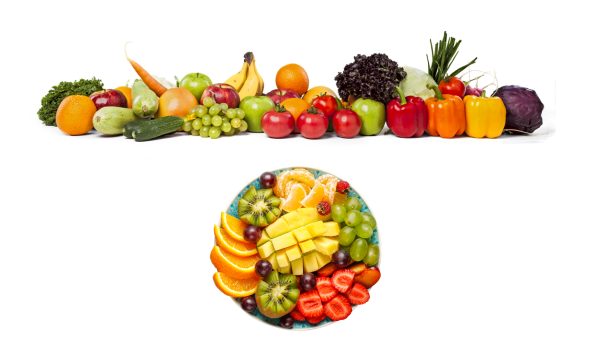
Fresh lychees add sweetness and a tropical flavor to fruit salads.
Top Breakfast Foods With Lychees
Lychees can be added to oatmeal, yogurt, or chia pudding for additional flavor and nutrients.
Blend Lychees Into Smoothies
Fresh lychees blend well with other fruits to create refreshing smoothies.
Use Lychees In Desserts
Lychees can be used in sorbets, ice cream, and other fruit-based desserts.
Add Lychees To Savory Dishes
Lychees can also complement savory dishes such as curries, seafood, and sauces.
When selecting fresh lychees, look for fruits with pinkish-red skin that feel slightly soft and springy when gently pressed. Overripe lychees may develop a fermented smell, very soft flesh, or cracked brown skin.

















.png)
.png)
.png)
.png)


.png)
.png)
.png)
.png)
.png)
.png)
.png)
.png)
.png)
.png)




.png)
.png)
.png)
.png)
.png)
.png)
.png)
.png)