
.png)
A growing body of research continues to highlight how everyday food choices shape long-term health. While short-term diets often promise quick results, the real foundation of lasting wellness lies in consistent nutritional quality. Diets rich in vitamins, minerals, fiber, and beneficial compounds support the body's systems in ways that go far beyond simple calorie intake.
Nutrient-rich diets focus on foods that deliver a high concentration of essential nutrients relative to their energy content. These eating patterns are widely associated with improved metabolic health, stronger immunity, and reduced risk of chronic diseases.
Understanding the science behind nutrient-rich diets can help individuals make more informed choices about what they eat and why those choices matter for lifelong health.
Understanding What A Nutrient-Rich Diet Means
A nutrient-rich diet prioritizes foods that provide substantial amounts of essential nutrients while limiting foods that offer little nutritional value. These diets emphasize whole, minimally processed foods that naturally contain vitamins, minerals, fiber, and protective compounds.
the difference between nutrient density and calorie intake
Many foods provide calories but lack important nutrients. Highly processed snacks, sugary beverages, and refined carbohydrates often supply large amounts of energy without contributing meaningful nutritional benefits. Over time, regularly consuming these foods may lead to nutrient gaps even when calorie intake is high.
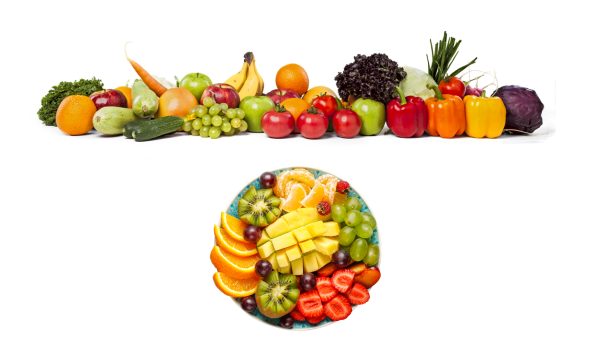
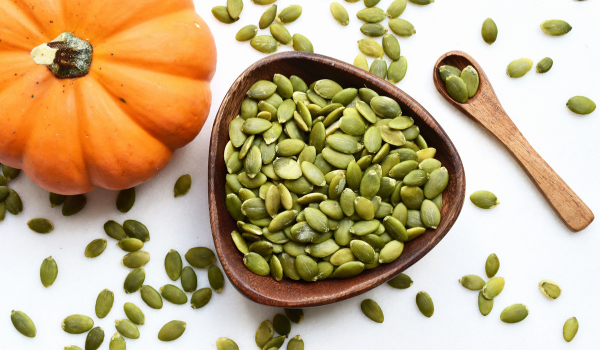
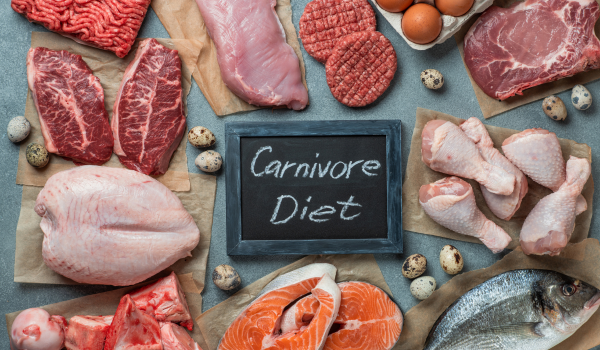
In contrast, nutrient-dense foods deliver both energy and a wide range of essential nutrients. Vegetables, fruits, whole grains, legumes, nuts, seeds, fish, and lean proteins are commonly recognized as nutrient-rich choices.
These foods provide compounds such as vitamin C, magnesium, potassium, omega-3 fatty acids, and dietary fiber, which all contribute to healthy bodily function.
how nutrient-rich foods support overall body function
The body relies on a steady supply of nutrients to maintain cellular processes. Vitamins and minerals play roles in energy metabolism, nerve signaling, immune defense, tissue repair, and bone strength.
For example, magnesium supports muscle and nerve function, while vitamin D and calcium contribute to bone health. Antioxidants found in fruits and vegetables help protect cells from oxidative stress, which can contribute to aging and disease development.
By consistently consuming nutrient-rich foods, individuals provide their bodies with the building blocks necessary for optimal health.
The Role Of Micronutrients In Long-Term Health
Micronutrients are vitamins and minerals required in relatively small amounts but essential for maintaining physiological balance. Nutrient-rich diets ensure that the body receives adequate levels of these compounds.
supporting immune function
Several micronutrients play crucial roles in supporting immune defenses. Vitamin C contributes to immune cell activity, zinc supports wound healing and immune signaling, and vitamin A helps maintain healthy mucous membranes that protect the body from pathogens.
Foods such as citrus fruits, leafy greens, nuts, seeds, and seafood can help provide these nutrients naturally.
protecting cells through antioxidants
Oxidative stress occurs when harmful molecules known as free radicals accumulate in the body. Over time, oxidative stress can damage cells and contribute to chronic diseases.
Antioxidants found in berries, leafy greens, carrots, and other colorful plant foods help neutralize free radicals. Compounds such as flavonoids, carotenoids, and polyphenols are widely studied for their potential protective effects.
Regularly consuming a variety of fruits and vegetables increases antioxidant intake and may support long-term cellular health.
supporting bone and muscle health
Calcium, vitamin D, magnesium, and protein all contribute to maintaining strong bones and muscles throughout life.
Dairy products, leafy greens, fortified foods, fish, and legumes provide important nutrients that help support skeletal health and reduce the risk of bone loss as individuals age.
Adequate intake of these nutrients is especially important for maintaining mobility and independence in later years.
How Nutrient-Rich Diets Influence Chronic Disease Risk
Scientific research consistently links nutrient-rich eating patterns with lower risk of several major chronic diseases. These benefits often result from the combined effects of fiber, healthy fats, antioxidants, and essential micronutrients.
heart health and cardiovascular protection
Diets rich in fruits, vegetables, whole grains, and healthy fats are associated with improved cardiovascular health. These foods can help support healthy cholesterol levels, maintain blood pressure balance, and reduce inflammation.
For example, omega-3 fatty acids found in fatty fish may support heart health, while fiber from whole grains and legumes can contribute to improved cholesterol regulation.
Many dietary patterns known for heart health, such as Mediterranean-style eating, emphasize nutrient-dense foods.
blood sugar regulation and metabolic health
Nutrient-rich diets that contain high levels of fiber and whole foods may help regulate blood sugar levels.
Fiber slows digestion and promotes gradual absorption of carbohydrates, which helps prevent rapid spikes in blood glucose. Foods such as oats, legumes, vegetables, and whole grains can support more stable energy levels.
Maintaining balanced blood sugar is an important factor in reducing the risk of metabolic disorders.
supporting healthy weight management
Nutrient-dense foods tend to be more filling due to their fiber and protein content. Meals rich in vegetables, lean proteins, and whole grains can promote satiety without excessive calorie intake.
This balance can help support sustainable weight management while ensuring the body receives adequate nutrition.
The Importance Of Dietary Patterns Over Time
While individual nutrients play important roles, long-term health outcomes are influenced more by overall dietary patterns than by isolated foods or supplements.
consistency matters more than perfection
A nutrient-rich diet does not require strict perfection. Instead, it focuses on consistently choosing foods that support health.
Including a variety of vegetables, fruits, whole grains, lean proteins, and healthy fats across meals creates a balanced nutritional foundation. Occasional indulgences can still fit within an overall healthy eating pattern.
dietary diversity supports nutrient coverage
Eating a wide variety of foods helps ensure that the body receives different vitamins, minerals, and phytonutrients.
For instance, leafy greens provide folate and vitamin K, orange vegetables contain beta-carotene, and berries offer antioxidant compounds. Rotating these foods across meals supports a more complete nutrient profile.
the role of lifestyle factors
Diet interacts with other lifestyle habits such as physical activity, sleep quality, and stress management. Nutrient-rich eating patterns work best when combined with regular movement, adequate rest, and healthy routines.
Together, these factors contribute to improved metabolic function and overall wellness.
Practical Strategies For Building A Nutrient-Rich Diet
Understanding the science behind nutrient-rich diets is helpful, but practical steps make it easier to apply these concepts in daily life.
prioritize whole foods
Choosing whole foods such as vegetables, fruits, legumes, whole grains, nuts, and lean proteins helps maximize nutrient intake. These foods naturally contain the vitamins, minerals, and fiber that support health.
Cooking at home more frequently can help maintain control over ingredients and reduce reliance on processed foods.
build balanced meals
Combining vegetables, protein sources, healthy fats, and whole grains in meals can create a more nutritionally complete plate.
For example, a meal consisting of grilled salmon, quinoa, roasted vegetables, and olive oil provides a wide range of nutrients that support energy, heart health, and digestion.
Balanced meals also help maintain steady energy levels throughout the day.
increase plant-based foods
Plant foods contain many beneficial compounds such as fiber and phytonutrients that are difficult to obtain in large amounts from processed foods.
Including a variety of vegetables, fruits, legumes, nuts, and seeds can significantly improve nutrient density while supporting digestive health.
Even small additions, such as adding leafy greens to sandwiches or legumes to soups, can make meals more nutrient-rich.
Conclusion
Scientific research increasingly demonstrates the importance of nutrient-rich diets for supporting long-term health. By prioritizing foods that provide vitamins, minerals, fiber, and protective compounds, individuals can support immune function, metabolic balance, and cardiovascular health.
Rather than focusing on restrictive diets or short-term trends, adopting a consistent pattern of nutrient-dense eating provides a more sustainable path toward lifelong wellness.
If you want to strengthen your nutrition habits, begin by incorporating more whole foods, colorful vegetables, and balanced meals into your daily routine. Explore more nutrition insights and practical healthy eating strategies on Health365s to continue building a healthier lifestyle.

















.png)
.png)
.png)
.png)


.png)
.png)
.png)
.png)
.png)
.png)
.png)
.png)
.png)
.png)




.png)
.png)
.png)
.png)
.png)
.png)
.png)
.png)

