
.png)
The idea that diet influences how long and how well we live has been supported by both scientific research and real-world observations. Around the world, certain populations are known for their longevity, and one of the most consistent factors among them is their approach to food. Rather than relying on restrictive diets or short-term trends, these communities follow balanced, nutrient-rich eating patterns that support lifelong health.
Diet affects nearly every system in the body, from heart function to brain health and immune defense. Over time, consistent food choices can either support or strain these systems, influencing both lifespan and quality of life.
Understanding the connection between diet and longevity can help you make everyday choices that contribute to long-term wellness.
How Diet Influences Longevity
The relationship between diet and longevity is rooted in how nutrients support the body’s essential functions over time.
supporting cellular health
Cells are constantly exposed to environmental stress and metabolic processes that can lead to damage. Nutrient-rich foods provide antioxidants and protective compounds that help reduce this damage.
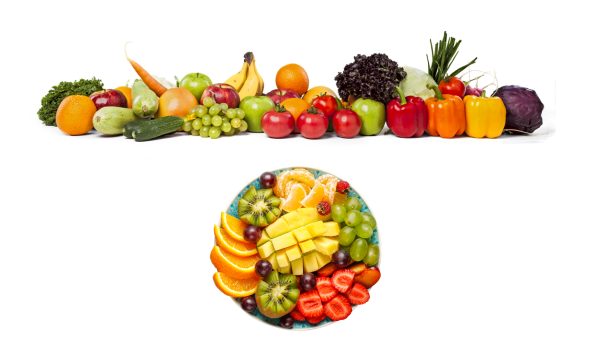
Fruits, vegetables, nuts, and whole grains contain compounds that support cellular repair and maintenance.
maintaining metabolic balance
Balanced nutrition helps regulate blood sugar levels, cholesterol, and other metabolic markers. Stable metabolic function reduces the risk of long-term health conditions.
Diets that include whole foods and balanced nutrients support consistent energy and overall health.
reducing chronic disease risk
Chronic diseases are one of the main factors that affect lifespan. Diet plays a key role in reducing the risk of conditions related to the heart, metabolism, and overall health.
Choosing nutrient-dense foods can help support long-term well-being.
Key Nutrients That Support Long-Term Health
Certain nutrients play particularly important roles in promoting longevity.
antioxidants for cellular protection
Antioxidants help protect cells from oxidative stress. Foods such as berries, leafy greens, and nuts provide these compounds.
Regular intake supports overall health and may contribute to long-term wellness.
healthy fats for heart and brain health
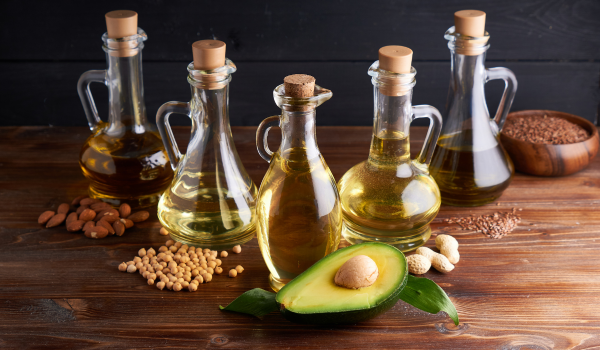
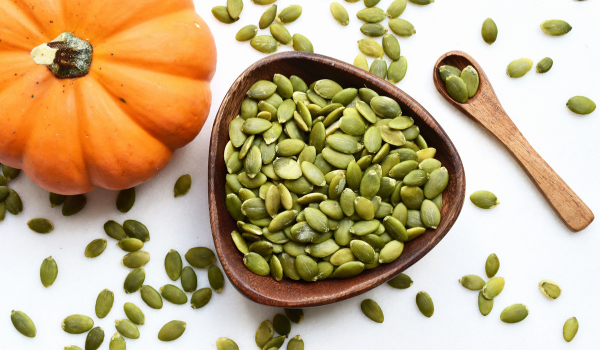
Healthy fats, including those found in olive oil, nuts, seeds, and fish, support cardiovascular and cognitive function.
These fats are an important part of balanced eating patterns associated with longevity.
fiber for digestive and metabolic health
Fiber supports digestion and helps regulate blood sugar levels. Whole grains, legumes, fruits, and vegetables are excellent sources.
A healthy digestive system contributes to better nutrient absorption and overall health.
Dietary Patterns Linked To Longevity
Research and observations have identified several dietary patterns associated with longer lifespans.
Mediterranean-style eating
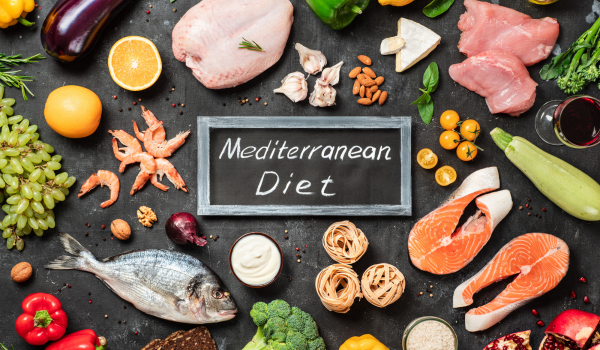
The Mediterranean diet emphasizes vegetables, fruits, whole grains, legumes, healthy fats, and moderate protein intake. It is widely associated with improved heart health and reduced risk of chronic disease.
This pattern is both balanced and sustainable.
plant-rich diets
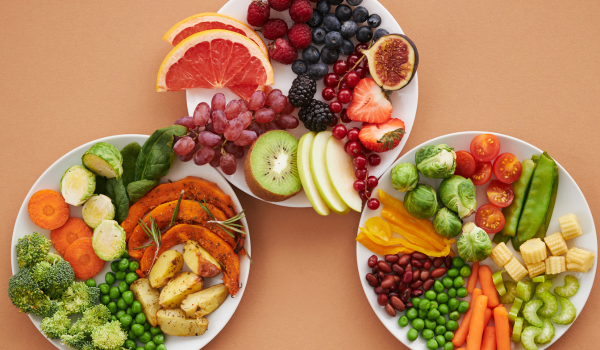
Diets that include a high proportion of plant-based foods provide a wide range of nutrients and fiber. These diets support overall health and are often linked to longevity.
Including a variety of plant foods helps ensure nutritional balance.
traditional cultural diets
Many traditional diets around the world share common features such as whole foods, balanced meals, and limited processing.
These patterns support long-term health through consistency and variety.
The Role Of Lifestyle Alongside Diet
Diet is a major factor in longevity, but it works best when combined with other healthy habits.
physical activity
Regular movement supports cardiovascular health, muscle function, and metabolic balance.
In many long-lived populations, physical activity is part of daily life.
social connection
Strong social relationships contribute to emotional well-being and may influence longevity.
Shared meals and community interactions are common in many healthy cultures.
stress management
Managing stress supports both physical and mental health. Chronic stress can negatively affect the body over time.
Relaxation and balance are important components of a healthy lifestyle.
Practical Ways To Eat For Longevity
Applying the principles of longevity-focused nutrition can be simple and practical.
prioritize whole foods
Choose foods that are minimally processed and rich in nutrients. Fruits, vegetables, whole grains, legumes, and healthy fats should form the foundation of meals.
maintain balance and variety
Including a range of food groups ensures a broad spectrum of nutrients. Variety supports overall health and prevents nutrient gaps.
practice mindful eating
Eating slowly and paying attention to hunger and fullness cues can support better digestion and prevent overeating.
Common Mistakes To Avoid
Certain habits can reduce the benefits of a longevity-focused diet.
relying on processed foods
Highly processed foods often lack essential nutrients and may contribute to health challenges over time.
focusing on short-term trends
Diets that promise quick results may not support long-term health. Sustainable habits are more effective.
ignoring overall lifestyle
Diet alone is not enough. Combining healthy eating with other positive habits enhances overall well-being.
Conclusion
The connection between diet and longevity highlights the importance of consistent, balanced eating habits. Nutrient-rich foods, combined with a healthy lifestyle, support the body’s ability to function effectively over time.
By focusing on whole foods, maintaining variety, and adopting sustainable habits, it is possible to build a diet that supports both lifespan and quality of life.
Start making small improvements to your daily meals today and explore more nutrition insights on Health365s to continue building a healthier and longer life.

.png)












.png)
.png)
.png)
.png)


.png)
.png)
.png)
.png)
.png)
.png)
.png)
.png)
.png)



.png)
.png)
.png)
.png)
.png)
.png)

