.png)
Turmeric has been used for centuries in traditional Chinese and Ayurvedic medicine as a natural remedy for a wide range of health concerns. Derived from the root of the Curcuma longa plant, turmeric is now commonly consumed both as a culinary spice and as a dietary supplement.
Much of turmeric’s health potential comes from curcumin, its active compound known for powerful anti-inflammatory and antioxidant properties. Researchers continue studying curcumin for its possible role in supporting conditions linked to chronic inflammation, pain, and oxidative stress.
While turmeric is not a cure or replacement for medical treatment, growing evidence suggests it may help support overall health in several important ways.
Arthritis And Joint Pain
Arthritis refers to more than 100 conditions that cause inflammation, pain, stiffness, and reduced mobility in the joints. Common forms include osteoarthritis, rheumatoid arthritis, psoriatic arthritis, and gout.
Curcumin may help reduce joint inflammation by blocking inflammatory pathways in the body. Several studies suggest turmeric supplements may relieve arthritis symptoms similarly to some nonsteroidal anti-inflammatory drugs while potentially causing fewer side effects.
Research involving different forms of arthritis has shown improvements in pain levels, stiffness, swelling, and physical function among people taking turmeric or curcumin supplements regularly.
Heart And Cardiovascular Health
Cardiovascular disease affects the heart and blood vessels and includes conditions such as coronary artery disease, irregular heartbeat, and heart failure.
Inflammation and high cholesterol are major contributors to heart disease, and curcumin may help address both issues. Studies suggest turmeric may improve blood vessel function, support healthy circulation, and help reduce levels of LDL, commonly known as “bad” cholesterol.
Some research also indicates curcumin may support blood pressure control and reduce the risk of complications following heart surgery.
Inflammatory Bowel Disease
Inflammatory bowel disease includes chronic digestive conditions such as Crohn’s disease and ulcerative colitis. These disorders can cause abdominal pain, cramping, diarrhea, bloody stools, fatigue, and weight loss.
Curcumin may help reduce digestive tract inflammation and improve symptom control when combined with standard medical treatments. Some studies found turmeric supplementation reduced flare-ups and improved symptom severity in people with ulcerative colitis and mild to moderate Crohn’s disease.
Although results are promising, researchers continue studying the most effective dosage and long-term use for digestive health support.
Neurodegenerative Diseases
Neurodegenerative diseases such as Alzheimer’s and Parkinson’s develop when nerve cells gradually become damaged and die over time.
Chronic inflammation and the buildup of harmful proteins in the brain are believed to contribute to these conditions. Curcumin’s antioxidant and anti-inflammatory effects may help protect brain cells and reduce inflammation associated with cognitive decline.
Some studies suggest curcumin may support memory, mood, and brain function in older adults while potentially slowing certain aspects of neurodegenerative progression.
Depression
Depression is a mental health condition associated with persistent sadness, low energy, sleep disturbances, and loss of interest in daily activities.
Researchers believe inflammation and low levels of certain brain-supporting proteins may contribute to depressive symptoms. Curcumin may help increase levels of brain-derived neurotrophic factor, a protein important for brain cell growth and survival.
Some studies suggest turmeric supplements may help improve mood and reduce symptoms in people with major depressive disorder, though additional research is still needed.
Allergies
Allergies occur when the immune system overreacts to substances such as pollen, dust, or pet dander.
Curcumin may help reduce allergic responses by lowering inflammation and suppressing the release of histamines, chemicals responsible for symptoms like sneezing, congestion, itching, and irritation.
While turmeric should not replace allergy medications, it may provide supportive benefits for mild to moderate symptoms when included as part of a healthy lifestyle.
Inflammatory Skin Conditions
Conditions such as eczema and psoriasis are linked to chronic inflammation and immune system dysfunction.
Turmeric’s anti-inflammatory and antioxidant properties may help calm irritated skin, reduce redness, and support healing. Some people use topical curcumin creams, while others take oral supplements for additional support.
Researchers are exploring whether turmeric may serve as a natural complementary option alongside traditional treatments for chronic skin conditions.
Cancer Support
Cancer develops when abnormal cells grow uncontrollably and spread throughout the body.
Early research suggests curcumin may help slow cancer cell growth and support the effectiveness of treatments such as chemotherapy and radiation. Some studies also indicate turmeric may help reduce certain treatment-related side effects, including nausea and inflammation.
However, experts emphasize that turmeric is not a standalone cancer treatment, and much more research is required before firm conclusions can be made.
Type 2 Diabetes
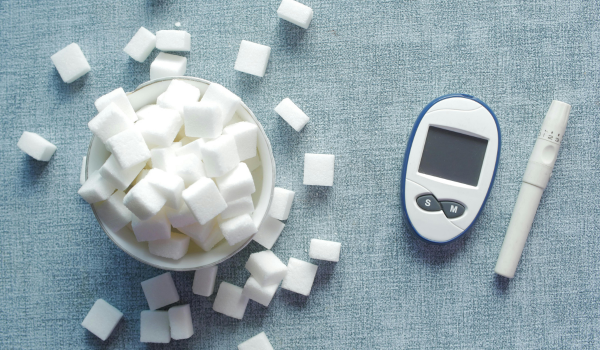
Type 2 diabetes occurs when the body becomes resistant to insulin or cannot properly regulate blood sugar levels.
Curcumin may help improve insulin sensitivity and support blood sugar control by reducing inflammation and supporting healthy metabolic function. Some studies also suggest turmeric may help protect pancreatic cells involved in insulin production.
When combined with healthy eating, physical activity, and medical guidance, turmeric may offer supportive benefits for metabolic health.
Respiratory Conditions
Chronic respiratory diseases such as asthma and chronic obstructive pulmonary disease involve inflammation in the lungs and airways.
Curcumin’s anti-inflammatory properties may help reduce airway irritation, ease breathing difficulties, and decrease symptoms like coughing and wheezing.
Its antioxidant effects may also help protect lung tissue from long-term damage caused by environmental toxins and chronic inflammation.
How To Use Turmeric
Turmeric can be consumed in several forms, including fresh root, powdered spice, capsules, tablets, liquid extracts, teas, and golden milk beverages.
Using turmeric in cooking is one of the easiest ways to include it in a daily routine. Because curcumin is not easily absorbed by the body, combining turmeric with black pepper may significantly improve absorption due to a compound called piperine.
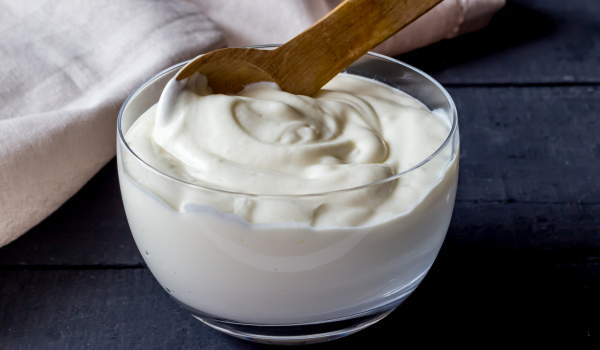
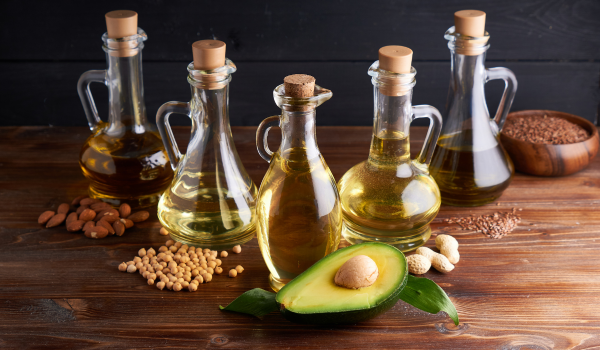
Pairing turmeric with healthy fats such as olive oil, avocado, or dairy products may also help improve absorption because curcumin is fat-soluble.
Is Turmeric Safe?
Turmeric is generally considered safe when used in normal cooking amounts or moderate supplement doses.
Curcumin supplements containing several thousand milligrams daily have been used safely in many studies, though dosage recommendations vary depending on the product and individual health needs.
It is always best to follow supplement label instructions and consult a healthcare provider before starting turmeric supplements regularly.
Possible Side Effects And Interactions
High doses of turmeric supplements may cause side effects such as stomach upset, nausea, diarrhea, headache, or skin irritation.
Turmeric may also interact with certain medications, especially blood thinners, diabetes medications, antidepressants, antibiotics, and allergy medications.
Because turmeric may affect blood clotting and blood sugar levels, individuals taking prescription medications should speak with a healthcare professional before using concentrated supplements.
Pregnant or breastfeeding individuals are generally advised to avoid turmeric supplements due to limited safety research.

.png)















.png)
.png)
.png)

.png)
.png)
.png)
.png)
.png)
.png)
.png)
.png)
.png)
.png)




.png)
.png)
.png)
.png)
.png)
.png)