
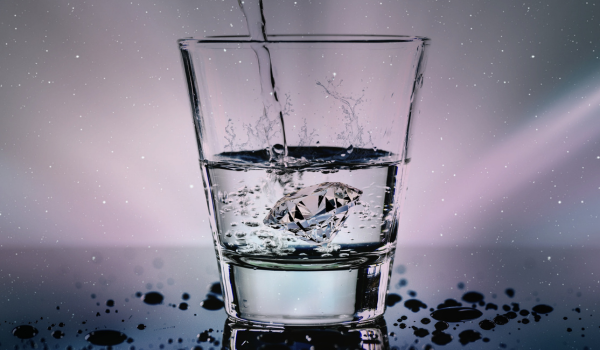
High blood pressure, also known as hypertension, occurs when the force of blood pushing against the walls of the arteries remains consistently higher than normal. Over time, this increased pressure can damage blood vessels and raise the risk of heart disease, stroke, and other serious health conditions.
In addition to medications and lifestyle changes, proper hydration may also play a role in supporting healthy blood pressure levels. Drinking enough water helps maintain blood volume and electrolyte balance, both of which influence cardiovascular function.
Can Drinking Water Lower Blood Pressure?
Drinking water may help lower blood pressure in certain situations, particularly when dehydration is present. Research has suggested that people with high blood pressure may often be less hydrated than individuals with normal blood pressure.
When the body becomes dehydrated, blood volume can decrease because blood is made largely of water. Reduced blood volume may lead to changes in electrolyte levels, including higher concentrations of sodium and other minerals.
In response to dehydration, the body releases a hormone called vasopressin. This hormone helps the body retain water but also causes blood vessels to narrow. Narrow blood vessels increase resistance to blood flow, which raises blood pressure.
By restoring fluid balance, drinking water can help reduce the effects of dehydration. Proper hydration may support normal blood volume and help maintain healthier blood pressure levels.
How Much Water You Need For Optimal Blood Pressure
A commonly recommended guideline for daily hydration is about six to eight glasses of water per day, which equals roughly 64 fluid ounces.
However, the exact amount of water a person needs varies depending on several factors.
Age
Older adults may require different hydration levels than younger individuals due to changes in metabolism and kidney function.
Sex
Men often require slightly more daily fluids than women because of differences in body composition and energy expenditure.
Body Weight
People with higher body weight typically require more water to support normal metabolic processes.
Climate And Temperature
Hot or humid environments increase fluid loss through sweating, which raises daily water requirements.
Physical Activity
Exercise increases fluid loss and therefore increases hydration needs.
Pregnancy Or Breastfeeding
Women who are pregnant or breastfeeding generally need additional fluids to support both maternal and infant health.
Maintaining balance is important. Both dehydration and excessive fluid intake can affect blood pressure. Drinking water consistently throughout the day can help maintain proper hydration without overloading the body.
Fluid Overload And High Blood Pressure
Although dehydration may increase blood pressure, excessive fluid in the body can also contribute to hypertension.
A condition known as hypervolemia occurs when the body retains too much fluid and cannot eliminate it effectively. When blood volume increases significantly, additional pressure is placed on blood vessel walls.
This increased pressure can raise blood pressure levels and place extra strain on the cardiovascular system.
Several health conditions may lead to fluid overload.
Kidney Disease
When the kidneys are unable to remove excess fluid efficiently, fluid accumulation may occur.
Heart Failure
Heart failure can reduce the heart’s ability to pump blood effectively, leading to fluid retention in the body.
Liver Disease
Conditions such as cirrhosis may disrupt fluid balance and contribute to fluid buildup.
High sodium intake may also cause the body to retain water, which can increase blood volume and raise blood pressure.
Other Beverages That May Help Lower Blood Pressure
In addition to drinking water, several other beverages may help support healthy blood pressure levels.
Beet Juice
Beets contain nitrates that help widen blood vessels and improve blood flow. Some research suggests that drinking beet juice regularly may help reduce systolic blood pressure.
Tomato Juice
Unsalted tomato juice contains antioxidants and nutrients that may benefit cardiovascular health. Studies have found that regular consumption may improve blood pressure and cholesterol levels.
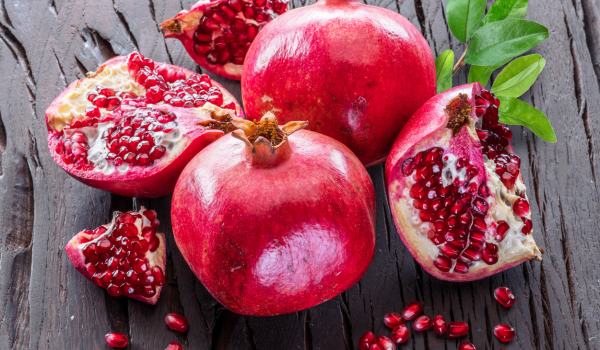
Pomegranate Juice
Pomegranate juice is rich in polyphenols, which are antioxidant compounds that may help improve blood vessel function and reduce blood pressure.
Cranberry Juice
Some studies suggest that regular consumption of cranberry juice may help reduce blood pressure, particularly in individuals who are overweight or have hypertension.
Green Or Black Tea
Both green and black tea contain compounds that support blood vessel health. Drinking these teas consistently over time may help modestly lower blood pressure.
Electrolyte Water
Water containing electrolytes such as magnesium, calcium, and potassium may help support healthy blood pressure levels. These minerals influence how blood vessels expand and contract.
When choosing beverages, it is important to avoid drinks that contain excessive sodium, as high sodium intake can increase blood pressure.
How To Manage High Blood Pressure
Proper hydration is only one part of maintaining healthy blood pressure. A comprehensive lifestyle approach can significantly improve cardiovascular health.
Improve Your Diet
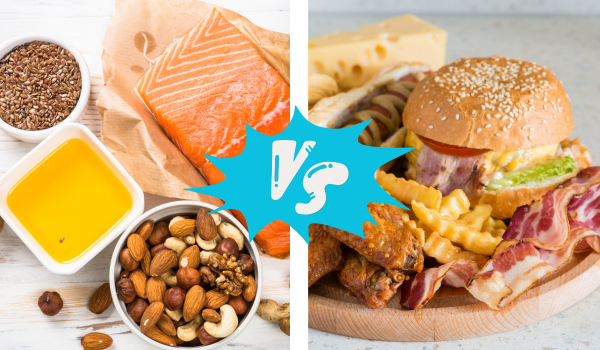
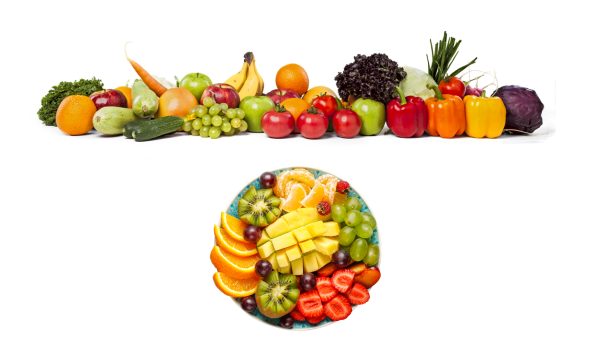
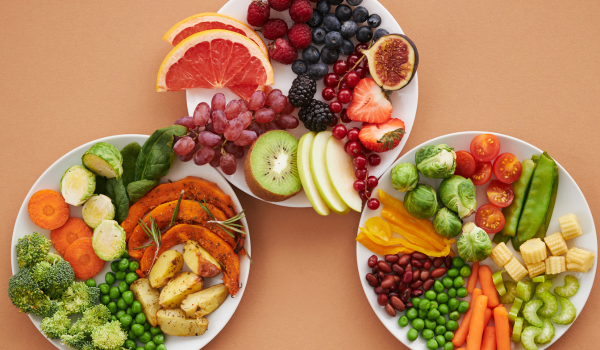
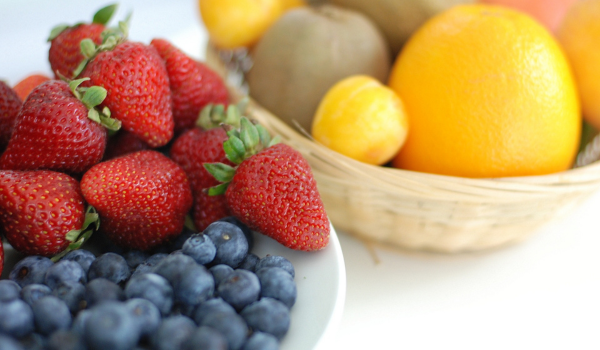
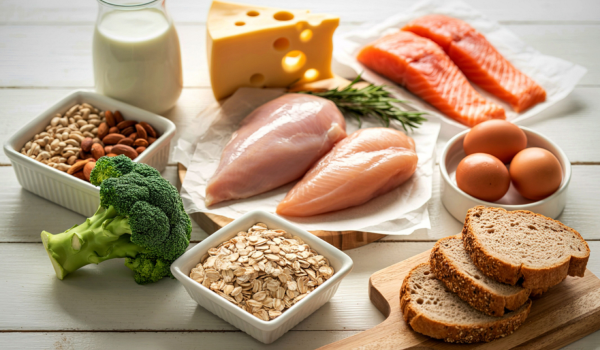
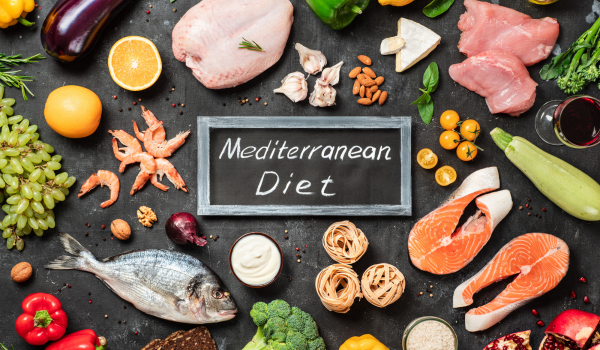
Increasing potassium intake and reducing sodium consumption may help support healthier blood pressure levels. Dietary patterns such as the DASH diet emphasize fruits, vegetables, whole grains, and lean proteins.
Avoid Smoking
Smoking damages blood vessels and increases blood pressure. Avoiding tobacco products can significantly reduce cardiovascular risk.
Stay Physically Active
Regular physical activity helps strengthen the heart and improve circulation. Many health experts recommend at least 150 minutes of moderate exercise or 75 minutes of vigorous exercise per week.
Maintain Healthy Sleep Habits
Consistent sleep patterns and sufficient rest support overall cardiovascular health. Adults should aim for about seven to nine hours of quality sleep each night.
Limit Alcohol Consumption
Excessive alcohol intake can raise blood pressure. Moderating alcohol consumption may help reduce this risk.
Maintain A Healthy Weight
Achieving and maintaining a healthy body weight can significantly improve blood pressure control.
Manage Stress
Stress management techniques such as meditation, deep breathing, regular exercise, and relaxing activities may help reduce stress-related increases in blood pressure.


.png)
.png)
.png)
.png)
.png)
.png)
.png)
.png)
.png)
.png)
.png)
.png)
.png)
.png)



.png)
.png)
.png)
.png)
.png)
.png)
.png)
.png)

