.png)
The Mediterranean diet has gained global attention as one of the most balanced and sustainable approaches to healthy eating. Unlike restrictive diets that focus on eliminating certain foods, this eating pattern emphasizes variety, enjoyment, and long-term lifestyle habits. It is inspired by traditional dietary patterns of countries surrounding the Mediterranean Sea, where people have historically experienced lower rates of chronic disease and longer life expectancy.
Rather than being a strict plan, the Mediterranean diet is a flexible way of eating that prioritizes whole foods, healthy fats, and fresh ingredients. It encourages a natural balance of nutrients that support both physical and mental well-being.
Understanding what the Mediterranean diet is and why it is considered so healthy can help you apply its principles to your own daily meals.
What The Mediterranean Diet Is Based On
The Mediterranean diet is not a single set of rules but a pattern of eating rooted in traditional lifestyles. It reflects how people in regions such as Greece, Italy, and Spain have historically prepared and enjoyed their meals.
core components of the mediterranean diet
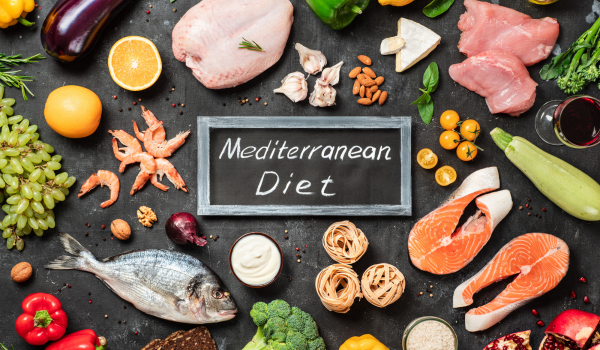
This eating pattern emphasizes plant-based foods as the foundation of daily meals. Vegetables, fruits, whole grains, legumes, nuts, and seeds are consumed regularly and in generous amounts.
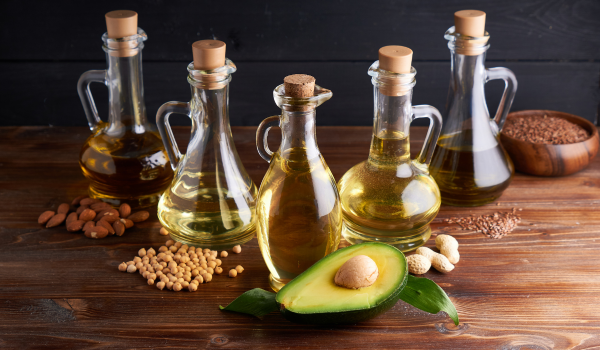
Healthy fats, particularly olive oil, are a central part of the diet. Olive oil is used as the primary source of fat, replacing butter and highly processed oils.
Protein sources include fish, seafood, poultry, eggs, and dairy products in moderate amounts. Red meat is consumed less frequently.
Herbs and spices are commonly used to enhance flavor instead of relying on excessive salt.
a lifestyle, not just a diet
The Mediterranean diet also reflects a broader lifestyle that includes mindful eating, shared meals, and physical activity. Meals are often enjoyed slowly and socially, which contributes to better digestion and satisfaction.
This holistic approach makes it more sustainable compared to restrictive diets that are difficult to maintain.
Key Foods That Define The Mediterranean Diet
Understanding which foods are commonly included in the Mediterranean diet can make it easier to apply its principles in daily life.
vegetables and fruits as the foundation
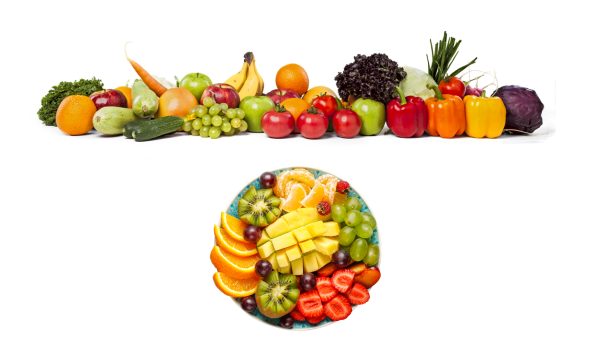
Vegetables and fruits form a large portion of daily meals. Leafy greens, tomatoes, cucumbers, peppers, eggplants, and zucchini are frequently used in dishes.
Fruits such as oranges, berries, grapes, and apples provide natural sweetness along with vitamins and antioxidants.
These foods contribute fiber, which supports digestion and helps maintain stable energy levels.
whole grains and legumes
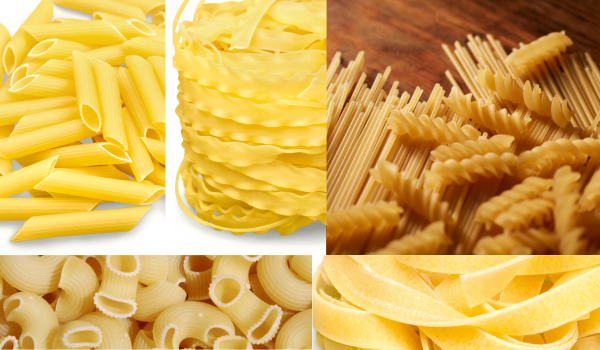
Whole grains such as oats, barley, whole wheat, and brown rice are commonly consumed. These grains provide complex carbohydrates that support sustained energy.
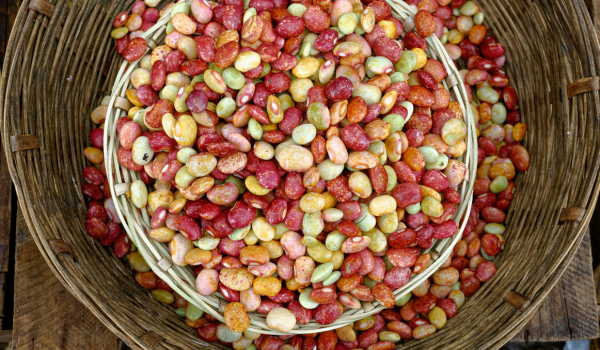
Legumes such as lentils, chickpeas, and beans are important sources of plant-based protein and fiber. They are often used in soups, salads, and main dishes.
healthy fats from olive oil and nuts
Olive oil is a defining feature of the Mediterranean diet. It provides monounsaturated fats that support heart health.
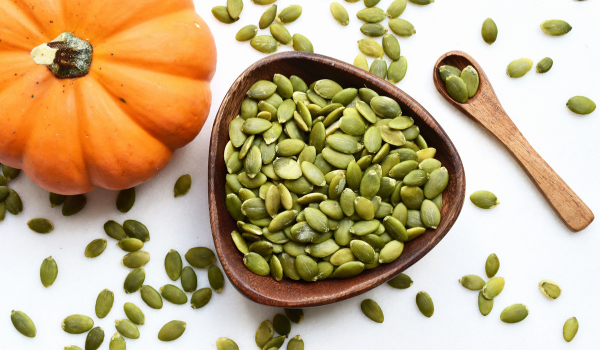
Nuts and seeds also contribute healthy fats, along with protein and micronutrients.
These fats help improve satiety and enhance the absorption of fat-soluble vitamins.
fish and seafood as primary protein sources
Fish and seafood are consumed regularly and are important sources of omega-3 fatty acids. These nutrients support cardiovascular health and brain function.
Fatty fish such as salmon, sardines, and mackerel are commonly recommended.
Why The Mediterranean Diet Is Considered So Healthy
The health benefits of the Mediterranean diet are supported by extensive research. Its combination of nutrient-dense foods and balanced eating patterns contributes to multiple aspects of health.
supporting heart health
One of the most well-known benefits of the Mediterranean diet is its positive effect on cardiovascular health.
Healthy fats from olive oil and fish help support cholesterol balance. Fiber from vegetables, fruits, and whole grains contributes to improved heart function.
Studies have shown that this dietary pattern is associated with a reduced risk of heart disease.
reducing inflammation
Chronic inflammation is linked to many health conditions. The Mediterranean diet includes foods rich in antioxidants and anti-inflammatory compounds.
Fruits, vegetables, nuts, and olive oil contain compounds that help support the body's natural inflammatory balance.
Reducing inflammation supports long-term health and overall well-being.
supporting brain health
The nutrients found in the Mediterranean diet also support cognitive function. Omega-3 fatty acids, antioxidants, and vitamins contribute to brain health and may help maintain memory and mental clarity.
Some research suggests that this dietary pattern may be associated with a lower risk of cognitive decline.
helping with weight management
The Mediterranean diet encourages balanced meals that include fiber, protein, and healthy fats. This combination promotes satiety and helps regulate appetite.
Because the diet focuses on whole foods rather than processed items, it supports sustainable weight management without strict calorie restriction.
How To Start Following The Mediterranean Diet
Adopting the Mediterranean diet does not require a complete lifestyle overhaul. Small changes can help transition toward this healthier way of eating.
replace processed fats with olive oil
Switching from butter or highly processed oils to olive oil is one of the simplest changes. Olive oil can be used in cooking, dressings, and meal preparation.
increase vegetable intake
Adding more vegetables to meals is another effective step. Including vegetables in every meal helps increase nutrient intake and supports balanced nutrition.
choose fish more often
Incorporating fish into meals a few times per week can help increase omega-3 intake. Replacing some red meat meals with fish or plant-based options can improve overall diet quality.
include whole grains and legumes
Replacing refined grains with whole grains and adding legumes to meals can improve fiber intake and provide additional nutrients.
These foods are versatile and can be used in a wide range of dishes.
Common Misconceptions About The Mediterranean Diet
Despite its popularity, there are several misunderstandings about what the Mediterranean diet involves.
it is not a low-fat diet
Although the Mediterranean diet includes healthy fats, it does not eliminate fats entirely. Instead, it focuses on choosing the right types of fats.
Healthy fats are an important part of this eating pattern and contribute to its health benefits.
it is not restrictive
The Mediterranean diet does not require strict rules or elimination of entire food groups. It encourages balance and moderation, making it easier to maintain.
it is adaptable to different cultures
While the diet is based on Mediterranean traditions, its principles can be adapted to different cuisines and food preferences. The focus remains on whole foods, healthy fats, and balanced meals.
Conclusion
The Mediterranean diet is more than just a way of eating. It is a balanced and sustainable approach to nutrition that supports heart health, reduces inflammation, and promotes overall well-being. By focusing on whole foods, healthy fats, and a variety of nutrient-rich ingredients, it provides a practical foundation for long-term health.
Adopting this dietary pattern does not require drastic changes. Simple steps such as increasing vegetable intake, choosing healthier fats, and incorporating more fish can make a meaningful difference.
If you want to improve your daily nutrition, start by applying the principles of the Mediterranean diet to your meals. Explore more healthy eating guides and nutrition insights on Health365s to continue building a healthier lifestyle.

.png)















.png)
.png)
.png)
.png)


.png)
.png)
.png)
.png)
.png)
.png)
.png)
.png)
.png)
.png)



.png)
.png)
.png)
.png)
.png)