
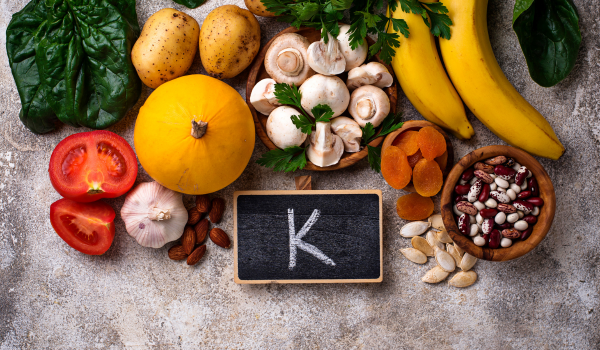
Potassium is an essential mineral that plays a key role in regulating blood pressure and supporting heart health. Most adults need about 3,500 to 5,000 milligrams of potassium per day to help manage or lower blood pressure.
Getting potassium from whole foods is generally the most effective approach, especially for people who consume high amounts of sodium or have elevated blood pressure.
A diet rich in potassium can help balance sodium levels in the body and support healthy cardiovascular function.
Best Food Sources Of Potassium
Potassium is found in many commonly consumed foods, making it possible to reach recommended levels through a balanced diet.
Some of the best sources of potassium include fruits and vegetables.
Examples include:
-
Tomatoes: about 523 mg in one cup of cooked tomato
-
Potatoes: about 413 mg in 100 grams of raw potato with skin
-
Winter squash: about 406 mg per cup
-
Bananas: about 375 mg in one medium banana
-
Prunes: about 347 mg in five prunes
-
Apricots: about 323 mg per serving
-
Oranges: about 232 mg in one medium orange
-
Spinach: about 287 mg in half a cup of cooked spinach
Other foods rich in potassium include:
-
Beans and lentils
-
Dairy products such as milk and yogurt
-
Fish, poultry, and meat
-
Nuts and seeds
Whole-grain foods such as brown rice and whole-wheat bread also provide more potassium than refined grain products and offer additional nutrients like fiber.
Eating patterns such as the DASH diet, which emphasizes fruits, vegetables, and whole foods, are naturally high in potassium and have been associated with improvements in blood pressure.
Should You Use Potassium Supplements?
Potassium supplements may help lower blood pressure in some cases, but they are not usually the first recommendation.
Health experts typically advise getting potassium from food whenever possible.
Foods provide potassium alongside other nutrients that support heart health and overall wellness.
In certain situations, a healthcare provider may recommend low- or moderate-dose potassium supplements, especially if dietary intake is insufficient.
However, research results on potassium supplements are mixed, and they do not always produce the same benefits seen when potassium comes from food sources.
How Potassium Helps Lower Blood Pressure
Potassium supports healthy blood pressure through several mechanisms.
Helps Remove Excess Sodium
One of potassium’s most important roles is helping the body eliminate excess sodium.
Sodium causes the body to retain water, which can increase blood pressure. Potassium signals the kidneys to release more sodium into the urine. When sodium leaves the body, excess fluid follows, which helps reduce blood pressure.
This process is particularly beneficial for individuals who consume high-sodium diets or who are sensitive to salt, meaning their blood pressure rises easily when sodium intake increases.
Supports Kidney Function
Higher potassium intake helps maintain proper fluid balance and supports kidney function. The kidneys are responsible for filtering excess sodium and potassium from the bloodstream.
Research suggests that when potassium intake is adequate, the kidneys are more effective at removing sodium—even when sodium intake is relatively high.
Relaxes Blood Vessels
Potassium may also help relax blood vessel walls, allowing blood to flow more easily and reducing pressure within the circulatory system.
Can You Get Too Much Potassium?
Although potassium is essential for health, excessive amounts can be dangerous for certain individuals.
High potassium levels in the blood are known as hyperkalemia.
Hyperkalemia most often occurs when the body cannot remove excess potassium efficiently. This can happen in people with kidney disease, since the kidneys play a major role in regulating potassium levels.
Healthy kidneys normally remove extra potassium through urine, but damaged kidneys may allow potassium to build up in the bloodstream.
People who should speak with a healthcare provider before increasing potassium intake include:
-
Individuals with kidney disease
-
People receiving dialysis
-
Those taking certain blood pressure medications
-
Individuals using potassium-based salt substitutes
Signs Of Too Much Potassium
Excess potassium in the bloodstream may cause symptoms such as:
-
Muscle weakness
-
Nausea
-
Irregular heartbeat
-
Chest pain
If any of these symptoms occur, medical attention should be sought immediately.
Steps To Increase Potassium Safely
If you want to support healthy blood pressure through potassium intake, consider the following steps:
-
Track how much potassium you consume through your diet
-
Prioritize potassium-rich foods such as fruits, vegetables, legumes, and whole grains
-
Reduce sodium intake to help potassium work more effectively
-
Speak with a healthcare provider before using potassium supplements
A healthcare professional can help determine the safest and most effective ways to improve potassium intake based on your health status and dietary habits.












.png)
.png)
.png)
.png)


.png)
.png)
.png)
.png)
.png)
.png)
.png)
.png)
.png)
.png)




.png)
.png)
.png)
.png)
.png)
.png)
.png)
.png)

