
.png)
Metabolism is often thought of as something fixed or determined by genetics, but in reality, daily habits—especially eating patterns—play a significant role in how efficiently the body uses energy. It is not just about what you eat, but also when and how you eat that influences metabolic function.
From meal timing to food composition, your eating patterns can affect energy levels, appetite regulation, and overall metabolic balance. Small, consistent habits can either support or disrupt these processes over time.
Understanding how your eating patterns affect metabolism can help you build a more structured and sustainable approach to nutrition that supports long-term health.
What Metabolism Really Means
Metabolism refers to the complex set of processes through which the body converts food into energy. These processes support everything from basic functions like breathing and circulation to physical activity and digestion.
basal metabolism and daily energy use
A large portion of energy expenditure comes from basal metabolic processes, which are the functions the body performs at rest. These include maintaining body temperature, supporting organ function, and cellular repair.
The rest of energy use comes from physical activity and the energy required to digest and process food.
the role of nutrients in metabolism
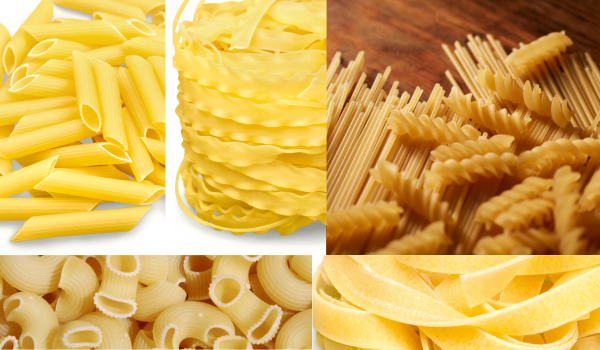
Carbohydrates, proteins, and fats are all used as energy sources, but they are processed differently by the body. Vitamins and minerals also play important roles in metabolic reactions.
Balanced nutrition helps ensure that these processes run efficiently.
How Meal Timing Influences Metabolism
When you eat can influence how your body processes and uses energy throughout the day.
regular meal patterns
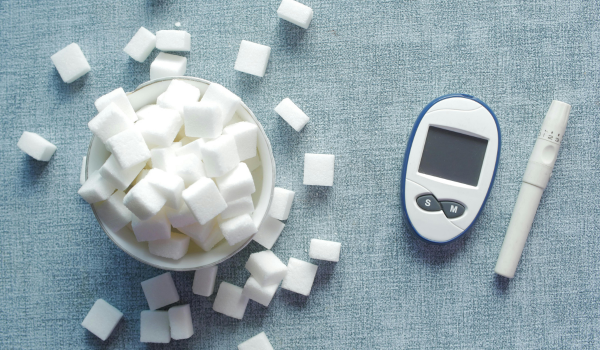
Eating at consistent times helps regulate blood sugar levels and supports stable energy. Regular meals can prevent large fluctuations in hunger and energy.
This consistency supports better metabolic balance.
skipping meals and its effects
Skipping meals may lead to increased hunger later in the day, which can result in overeating or choosing less nutritious foods.
Irregular eating patterns can also disrupt energy regulation.
late-night eating
Eating very late at night may affect how the body processes nutrients. The body’s natural rhythms can influence digestion and energy use.
Maintaining a consistent eating schedule can help support overall metabolic health.
The Impact Of Meal Composition
The types of foods included in meals play a major role in how the body processes energy.
protein and metabolic support
Protein requires more energy to digest compared to carbohydrates and fats. Including protein in meals can support satiety and help maintain muscle mass.
Muscle tissue plays an important role in overall metabolic activity.
fiber and blood sugar regulation
Fiber slows the digestion of carbohydrates, helping to maintain stable blood sugar levels.
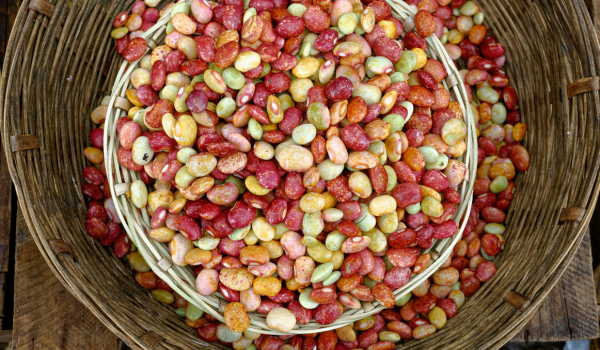
Foods such as whole grains, vegetables, fruits, and legumes provide fiber that supports metabolic balance.
healthy fats and sustained energy
Healthy fats provide a steady source of energy and support nutrient absorption. Including moderate amounts of fats helps improve meal satisfaction.
Eating Frequency And Metabolic Function
There are different approaches to how often people eat, and each can influence metabolism in different ways.
smaller, frequent meals
Some people benefit from eating smaller meals throughout the day, which can help maintain steady energy levels and prevent extreme hunger.
fewer, larger meals
Others prefer fewer meals with larger portions. As long as meals are balanced, this approach can also support metabolic health.
The key factor is consistency and nutritional balance rather than a specific number of meals.
The Role Of Hydration In Metabolism
Hydration is an often-overlooked factor in metabolic function.
water and metabolic processes
Water is essential for many biochemical reactions in the body. Adequate hydration supports digestion, nutrient transport, and energy production.
impact on energy levels
Even mild dehydration can affect energy and concentration. Maintaining proper hydration supports overall metabolic efficiency.
How Eating Patterns Affect Appetite And Energy
Eating patterns influence not only metabolism but also hunger signals and energy levels.
regulating hunger hormones
Consistent eating patterns help regulate hormones that control hunger and fullness. Balanced meals reduce the likelihood of excessive hunger.
preventing energy crashes
Meals that include a balance of carbohydrates, protein, and fats help maintain steady energy levels throughout the day.
Avoiding large gaps between meals can help prevent sudden drops in energy.
Practical Tips To Support A Healthy Metabolism
Small changes in eating habits can support metabolic health.
eat balanced meals
Include a combination of vegetables, whole grains, protein, and healthy fats in meals.
maintain consistent meal timing
Try to eat meals at similar times each day to support routine and stability.
stay hydrated
Drink water regularly throughout the day to support metabolic processes.
listen to your body
Pay attention to hunger and fullness cues to guide eating patterns.
Common Mistakes To Avoid
Certain habits can disrupt metabolic balance.
skipping meals frequently
This can lead to irregular energy levels and increased hunger later in the day.
relying on highly processed foods
Processed foods often lack essential nutrients needed for metabolic function.
inconsistent eating patterns
Irregular meal timing can affect energy regulation and appetite control.
Conclusion
Your eating patterns play a significant role in how your metabolism functions. Factors such as meal timing, food composition, and consistency all influence how the body uses energy and maintains balance.
By focusing on regular meals, balanced nutrition, and healthy habits, it becomes possible to support metabolic health and overall well-being.
Start by making small adjustments to your eating routine today and explore more nutrition insights on Health365s to continue building a healthier lifestyle.

.png)


















.png)
.png)
.png)
.png)


.png)
.png)
.png)
.png)
.png)
.png)
.png)
.png)
.png)




.png)
.png)
.png)
.png)
.png)
.png)

