
People who take blood pressure medications such as ACE inhibitors, beta-blockers, or calcium channel blockers often need to pay attention to their diet and lifestyle choices. Certain beverages can interfere with how these medications work or increase the risk of unwanted side effects.
Some drinks may change how medications are absorbed or metabolized in the body, while others may raise blood pressure or intensify medication effects. Understanding which beverages may cause interactions can help individuals manage hypertension more safely.
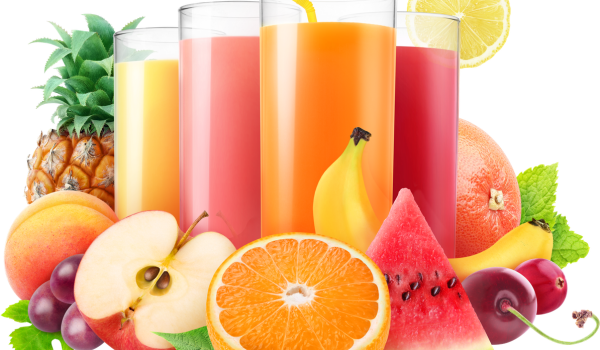
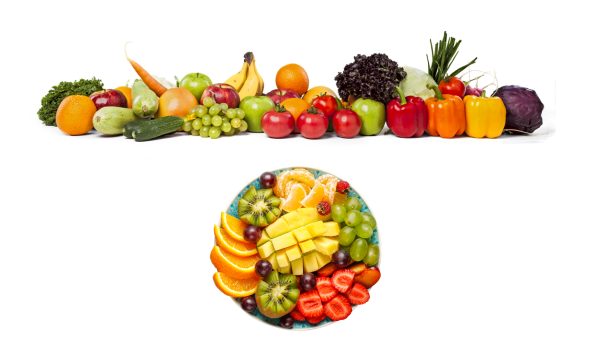
Certain Fruit Juices
Some fruit juices can interfere with the way the body processes certain blood pressure medications. Grapefruit juice is one of the most well-known examples.
Grapefruit contains compounds that inhibit an enzyme in the liver called CYP3A4. This enzyme helps break down many medications, including some drugs used to treat high blood pressure. When grapefruit juice blocks this enzyme, medications may remain in the bloodstream longer than expected.
As a result, medication levels in the body may rise, which can lead to excessive drops in blood pressure or increase the risk of side effects.
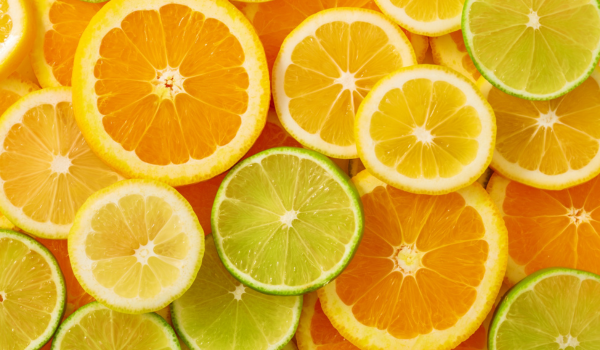
Other fruit juices may also affect medication absorption. Apple juice and citrus juices such as orange juice may interfere with how the body processes certain medications, although the effects are usually less pronounced than with grapefruit juice.
Alcohol
Alcohol can interact with several types of blood pressure medications and increase the likelihood of side effects.
Drinking alcohol while taking medications such as beta-blockers, alpha blockers, or certain calcium channel blockers may cause blood pressure to drop too much. This may lead to symptoms such as dizziness, fainting, or lightheadedness.
Alcohol can also worsen side effects commonly associated with blood pressure medications, including fatigue, irregular heartbeat, or balance problems.
In addition, alcohol itself can increase blood pressure when consumed in excess. Even moderate drinking may counteract the benefits of blood pressure medications if intake exceeds recommended limits.
Caffeinated Drinks
Caffeinated beverages such as coffee, energy drinks, and some teas may reduce the effectiveness of certain blood pressure medications.
Caffeine can temporarily raise blood pressure by stimulating the nervous system and causing blood vessels to narrow. This effect may make medications such as beta-blockers or diuretics less effective in controlling blood pressure.
Moderate caffeine intake is generally considered safe for many individuals, but excessive consumption may interfere with blood pressure management. Many health experts suggest limiting caffeine intake to about 400 milligrams per day, which is roughly equivalent to three cups of coffee.
Licorice Tea
Licorice tea and beverages containing licorice root may significantly affect blood pressure levels.
Licorice root contains a compound called glycyrrhizin. This chemical can interfere with a kidney enzyme responsible for regulating cortisol levels in the body.
When this enzyme is inhibited, cortisol levels may rise. Elevated cortisol can cause the body to retain sodium while losing potassium, which increases blood volume and raises blood pressure.
Because of these effects, licorice tea may counteract the benefits of blood pressure medications and potentially worsen hypertension.
Herbal Teas And Supplements
Some herbal teas and plant-based supplements may also interact with blood pressure medications.
Certain herbal ingredients can affect how medications are processed by the liver or how they are absorbed into the bloodstream.
For example, St. John’s wort may interfere with the liver’s ability to metabolize medications. Ginseng and ephedra may increase heart rate and raise blood pressure, which can reduce the effectiveness of blood pressure treatments.
Other herbal substances such as yohimbine or high-dose green tea extract may also cause unwanted interactions or side effects.
Because herbal products can affect medications in unpredictable ways, individuals taking blood pressure drugs should consult a healthcare professional before using herbal teas or supplements.
High-Sodium Vegetable Juices
Some commercially prepared vegetable juices contain large amounts of sodium. High sodium intake can increase blood pressure by causing the body to retain fluid.
When the body retains more fluid, blood volume increases. This additional pressure on blood vessel walls may raise blood pressure levels.
High-sodium beverages may also reduce the effectiveness of medications commonly used to treat hypertension, including diuretics, ACE inhibitors, and angiotensin receptor blockers.
In some cases, individuals consuming high-sodium drinks may experience swelling, higher blood pressure readings, or reduced response to their prescribed medications.
Consult Your Doctor
The effects of different beverages can vary depending on the type of blood pressure medication a person takes, as well as their overall health and lifestyle.
A healthcare provider or pharmacist can offer personalized advice about which drinks may be safe and which should be avoided. What may pose a risk for one individual might be acceptable for another.
Discussing dietary habits with a medical professional can help ensure that medications work effectively and that blood pressure remains well controlled.




.png)
.png)
.png)
.png)

.png)
.png)
.png)
.png)
.png)
.png)
.png)
.png)
.png)
.png)



.png)
.png)
.png)
.png)
.png)
.png)
.png)
.png)

