
.png)
Healthy eating is often perceived as something complex, requiring strict rules, expensive ingredients, or major lifestyle changes. In reality, improving your diet can start with small, consistent habits that gradually shape better outcomes. Simple adjustments in how you choose, prepare, and consume food can have a powerful impact on your overall health.
Rather than focusing on perfection, building healthy eating habits is about creating routines that are practical and sustainable. These habits support energy levels, digestion, immune function, and long-term wellness.
Understanding which habits matter most and how to apply them daily can help you develop a balanced approach to nutrition that fits into real life.
Why Simple Eating Habits Matter For Long-Term Health
Healthy eating is not defined by short-term diets but by patterns that are maintained over time. Small habits, when practiced consistently, can significantly influence health outcomes.
the impact of daily food choices
Every meal provides an opportunity to nourish the body. Consistent choices such as including vegetables, choosing whole grains, and balancing macronutrients contribute to improved overall nutrition.
Over time, these choices support better metabolic health, stable energy levels, and reduced risk of chronic disease.
consistency over perfection
Trying to follow strict or unrealistic diet plans often leads to frustration and inconsistency. A flexible approach that focuses on gradual improvement is more sustainable.
Simple habits are easier to maintain, making them more effective for long-term success.
Build Balanced Meals Every Day
Balanced meals provide the body with a combination of nutrients that support energy, satiety, and overall function.
include all key food groups
A well-balanced meal typically includes vegetables, a source of protein, whole grains or complex carbohydrates, and healthy fats.
This combination helps regulate blood sugar levels, supports digestion, and provides a steady release of energy throughout the day.
use the plate method
A practical way to build balanced meals is by dividing the plate into portions. Half of the plate can be filled with vegetables and fruits, one quarter with protein, and one quarter with whole grains, along with a small portion of healthy fats.
This simple method makes it easier to create nutritionally complete meals without complicated calculations.
Eat More Whole And Minimally Processed Foods
Whole foods provide more nutrients compared to highly processed options.
prioritize natural ingredients
Foods such as fruits, vegetables, whole grains, legumes, nuts, seeds, and lean proteins retain their natural nutrient content.
These foods provide essential vitamins, minerals, fiber, and beneficial compounds that support overall health.
limit ultra-processed foods
Highly processed foods often contain added sugars, refined grains, unhealthy fats, and excess sodium. While they may be convenient, they tend to offer less nutritional value.
Reducing reliance on these foods can improve diet quality and support long-term wellness.
Stay Hydrated Throughout The Day
Hydration is a key component of healthy eating that is often overlooked.
drink enough water
Water plays a role in digestion, nutrient transport, temperature regulation, and overall body function.
Replacing sugary beverages with water or unsweetened drinks can reduce excess calorie intake while supporting hydration.
recognize signs of dehydration
Fatigue, headaches, and difficulty concentrating can sometimes be linked to inadequate fluid intake.
Maintaining consistent hydration supports both physical and mental performance.
Practice Mindful Eating
How you eat is just as important as what you eat.
eat slowly and pay attention
Eating slowly allows the body to recognize fullness signals, which can help prevent overeating. It also improves digestion and enhances the eating experience.
reduce distractions during meals
Avoiding distractions such as screens while eating can help you focus on your food and better understand hunger and fullness cues.
Mindful eating encourages a more balanced relationship with food.
Choose Smarter Snacks
Snacks can support nutrition when chosen wisely.
opt for nutrient-dense snacks
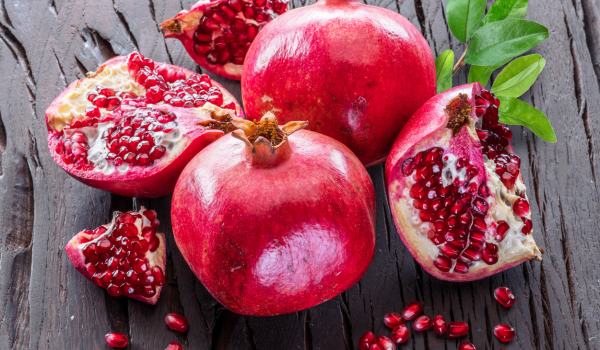
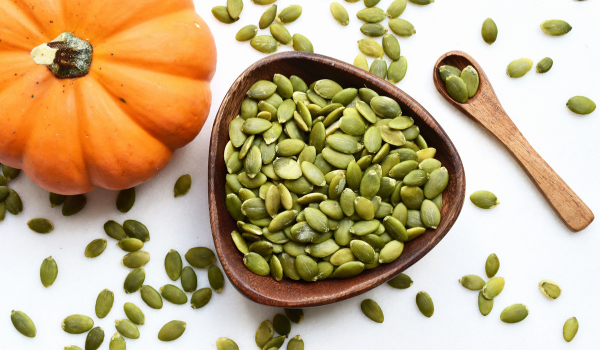
Healthy snack options include fruits, yogurt, nuts, seeds, boiled eggs, and vegetables with dips such as hummus.
These foods provide nutrients that help maintain energy levels between meals.
plan snacks in advance
Having healthy snacks readily available reduces the likelihood of choosing processed or less nutritious options.
Preparation helps make better choices more convenient.
Maintain Regular Meal Timing
Eating at consistent times can support metabolic balance and energy regulation.
avoid skipping meals
Skipping meals may lead to increased hunger later in the day, which can result in overeating or poor food choices.
Regular meals help maintain stable blood sugar levels and consistent energy.
listen to your body’s needs
While structure is helpful, it is also important to respond to natural hunger and fullness cues.
Balancing routine with flexibility supports a healthier approach to eating.
Add Variety To Your Diet
A diverse diet helps ensure that the body receives a wide range of nutrients.
rotate different foods
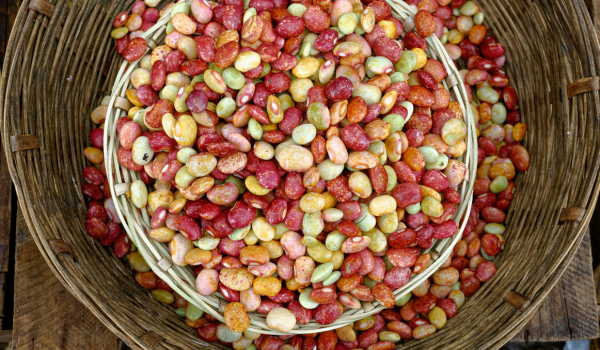
Different fruits, vegetables, grains, and protein sources provide unique vitamins and minerals. Including a variety of foods helps improve overall nutrient intake.
focus on color and diversity
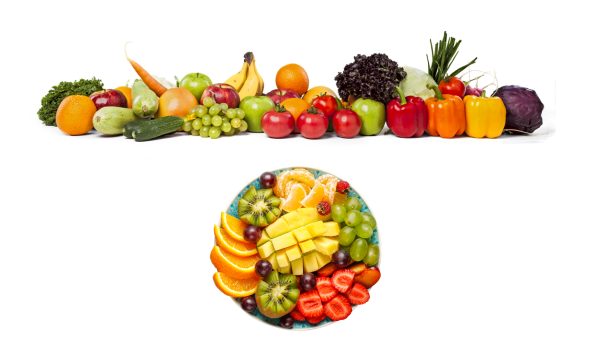
Colorful foods often indicate the presence of different phytonutrients. Eating a variety of colors can support different aspects of health.
Reduce Added Sugars And Excess Sodium
Limiting certain ingredients can improve the overall quality of your diet.
be mindful of hidden sugars
Many processed foods contain added sugars, even those not typically considered sweet. Reading labels can help identify these sources.
manage sodium intake
Excess sodium intake is common in processed foods and can affect overall health. Choosing fresh ingredients and cooking at home can help control sodium levels.
Conclusion
Healthy eating does not require drastic changes or complicated rules. Simple habits such as building balanced meals, choosing whole foods, staying hydrated, and practicing mindful eating can have a lasting impact on overall health.
By focusing on small, consistent improvements, it becomes easier to develop sustainable habits that support energy, digestion, and long-term wellness.
Start by adopting one or two of these habits today and gradually build on them over time. Explore more practical nutrition tips and healthy eating guides on Health365s to continue improving your lifestyle and well-being.

.png)















.png)
.png)
.png)
.png)


.png)
.png)
.png)
.png)
.png)
.png)
.png)
.png)
.png)
.png)



.png)
.png)
.png)
.png)
.png)
.png)

