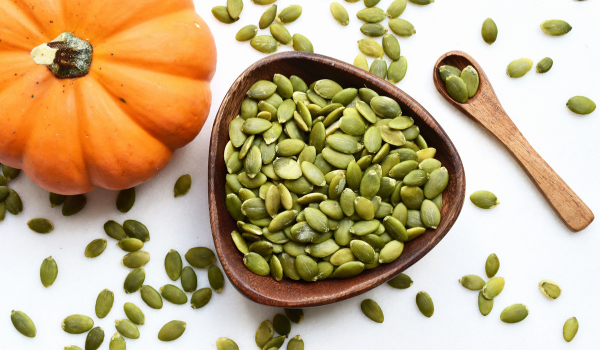
Pumpkin seeds are a nutrient-dense food that provides protein, fiber, healthy fats, and important minerals such as magnesium, phosphorus, zinc, iron, and potassium. They can be eaten whole, shelled, raw, or roasted, and each option offers slightly different nutritional benefits.
Whether you enjoy them as a snack or add them to meals, pumpkin seeds can be an easy way to increase your intake of beneficial nutrients.
Whole Vs. Shelled Pumpkin Seeds
Pumpkin seeds are available in two main forms.
Whole Pumpkin Seeds
Whole pumpkin seeds still have their cream-colored outer shell. They are flat, oval-shaped, and have a firm, crunchy texture.
Because the shell remains intact, whole pumpkin seeds usually contain more fiber than shelled seeds. Some people enjoy the extra crunch, while others may find the shell too tough.
Pepitas
Pepitas are the green inner seeds found inside the shell. They have a softer texture and a milder crunch.
Pepitas are easier to add to salads, yogurt, oatmeal, smoothies, and other dishes. They also tend to contain more protein, fat, magnesium, iron, and phosphorus per serving than whole seeds.
Both forms provide healthy monounsaturated and polyunsaturated fats.
Nutrition Of Whole Pumpkin Seeds
Whole pumpkin seeds are especially useful for people looking to increase fiber intake.
One ounce of roasted whole pumpkin seeds provides approximately:
- 5.22 grams of protein
- 5.5 grams of total fat
- 5.22 grams of fiber
- 0.94 milligrams of iron
- 74.3 milligrams of magnesium
- 26.1 milligrams of phosphorus
- 261 milligrams of potassium
- 2.92 milligrams of zinc
Main Benefit
The shell provides additional fiber, helping support digestion and fullness.
Nutrition Of Pepitas
Pepitas contain less fiber than whole seeds but provide more protein, healthy fat, iron, magnesium, and phosphorus per ounce.
One ounce of roasted pepitas provides approximately:
- 8.45 grams of protein
- 13.9 grams of total fat
- 1.84 grams of fiber
- 2.29 milligrams of iron
- 156 milligrams of magnesium
- 332 milligrams of phosphorus
- 223 milligrams of potassium
- 2.17 milligrams of zinc
Main Benefit
Pepitas are a more concentrated source of protein, magnesium, and phosphorus, making them a useful addition to meals and snacks.
Health Benefits Of Pumpkin Seeds
Pumpkin seeds contain several nutrients that support overall health.
Heart Health
The healthy fats found in pumpkin seeds may help support normal cholesterol and blood lipid levels when eaten as part of a balanced diet.
Nuts and seeds are commonly associated with better cardiovascular health because they provide unsaturated fats, plant protein, fiber, and antioxidants.
Muscle And Nerve Function
Pumpkin seeds are rich in magnesium, a mineral involved in muscle contraction, nerve signaling, energy production, and bone health.
Immune Support
Zinc plays an important role in immune function, wound healing, and normal cell growth.
Blood And Energy Production
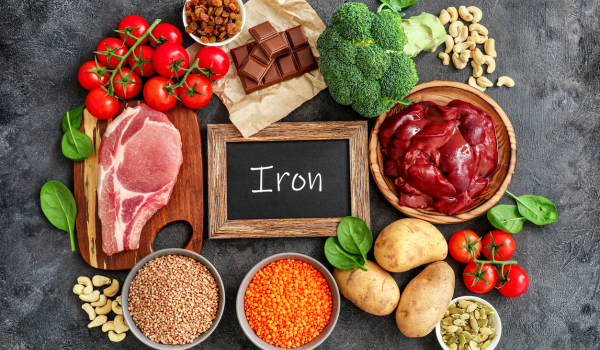
Iron helps transport oxygen throughout the body and supports normal energy production.
Possible Long-Term Benefits
Researchers are studying pumpkin seeds for possible roles in supporting blood sugar control, brain health, and protection against certain diseases. However, more human research is needed before firm conclusions can be made.
Are Raw Or Roasted Pumpkin Seeds Healthier?
Both raw and roasted pumpkin seeds can be nutritious.
The best option depends on your taste preference and how the seeds are prepared.
Raw Pumpkin Seeds
Raw seeds have a softer texture and a slightly bitter, natural flavor.
They are not exposed to high heat, which may help preserve certain heat-sensitive compounds.
Roasted Pumpkin Seeds
Roasting creates a stronger nutty flavor and a crispier texture.
Roasted seeds remain nutritious, but heavily salted or oil-coated versions may contain more sodium and calories.
Healthiest Choice
Choose plain or lightly seasoned seeds with minimal added salt, sugar, or oil.
How To Roast Whole Pumpkin Seeds
You can buy whole pumpkin seeds at the store or collect them from a fresh pumpkin.
Follow these steps:
- Preheat the oven to 350 degrees Fahrenheit, or about 176 degrees Celsius.
- Remove the seeds from the pumpkin and separate any stringy pulp.
- Rinse them thoroughly under cold water.
- Pat the seeds completely dry with a clean towel.
- Place them in a bowl and lightly coat them with olive oil.
- Add a small amount of salt or your preferred seasoning.
- Spread the seeds in a single layer on a baking sheet.
- Roast for 20–30 minutes.
- Stir occasionally and remove them once they are golden and crisp.
Watch them closely near the end because pumpkin seeds can burn quickly.
How To Roast Pepitas
Pepitas roast faster because they do not have an outer shell.
Prepare them using the same basic method:
- Preheat the oven to 350 degrees Fahrenheit.
- Toss the pepitas with a small amount of olive oil and seasoning.
- Spread them evenly on a baking sheet.
- Roast for 10–15 minutes.
- Stir once or twice and remove them when lightly browned.
Healthy Ways To Eat Pumpkin Seeds
Pumpkin seeds can be added to many meals and snacks.
Granola
Mix pumpkin seeds with oats, nuts, dried fruit, and a small amount of honey. Bake until crisp and serve with yogurt or milk.
Salads And Grain Bowls
Sprinkle pepitas over salads, quinoa bowls, brown rice, or roasted vegetables for added texture and nutrition.
Pesto
Blend pumpkin seeds with basil, garlic, olive oil, and Parmesan cheese to create a nut-free pesto.
Smoothie Bowls
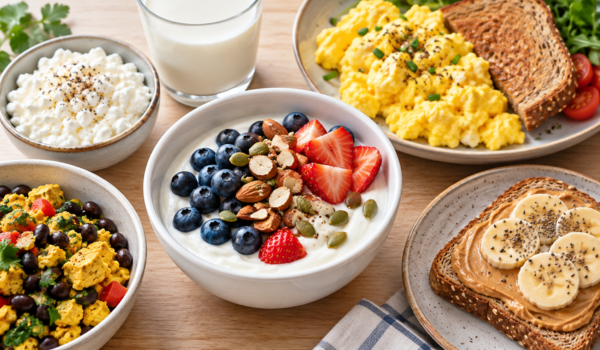
Use pumpkin seeds as a topping along with fruit, yogurt, oats, or other nuts and seeds.
Energy Bites
Combine pumpkin seeds with oats, nut butter, honey, and dark chocolate chips. Roll the mixture into small snack-sized balls.
Crunchy Breading
Crush pumpkin seeds and use them as a coating for baked chicken, fish, tofu, or vegetables.
Oatmeal And Yogurt
Add a spoonful of pepitas to oatmeal or yogurt for extra protein, healthy fats, and crunch.
How Much Should You Eat?
Pumpkin seeds are nutritious, but they are also calorie-dense because of their healthy fat content.
A typical serving is about one ounce, or a small handful.
This amount is enough to provide meaningful nutrients without adding excessive calories.
Portion Tip
Measure one serving before eating directly from a large bag, especially if the seeds are roasted or flavored.
How To Store Pumpkin Seeds
Storage time depends on whether the seeds are store-bought or freshly removed from a pumpkin.
Store-Bought Pumpkin Seeds
Keep them in an airtight container in a cool, dry place for up to three months.
For longer storage:
- Refrigerate them for up to six months.
- Freeze them for up to one year.
Always check the package expiration date and discard seeds that smell stale or rancid.
Fresh Pumpkin Seeds
Fresh seeds contain more moisture and spoil more quickly.
After rinsing and drying them, roast or use them within a few days.
Once roasted, they can usually be stored:
- For one to two weeks in an airtight container at room temperature
- Longer in the refrigerator
- Several months in the freezer
Final Thoughts
Pumpkin seeds are a versatile and nutritious food that can be eaten whole, shelled, raw, or roasted. Whole seeds provide more fiber, while pepitas offer more protein, magnesium, iron, and phosphorus per serving.
For the healthiest option, choose plain or lightly seasoned seeds and keep portions moderate. Add them to salads, yogurt, oatmeal, grain bowls, or homemade snacks to enjoy their flavor, crunch, and nutritional benefits.

.png)

.png)
.png)
.png)
.png)
.png)
.png)
.png)
.png)
.png)
.png)
.png)
.png)
.png)
.png)

.png)
.png)
.png)
.png)