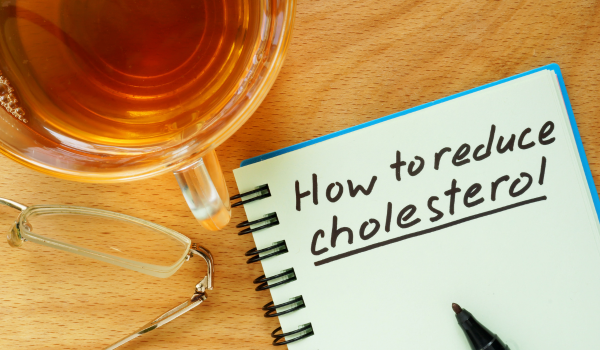
Lowering cholesterol isn’t only about what you eat. The habits you follow after dinner can influence your physical activity, sleep quality, stress levels, and food choices the next day.
No single evening habit will lower cholesterol overnight. However, consistently making heart-healthy choices may help improve LDL (“bad”) cholesterol, triglycerides, and overall cardiovascular health.
Here are five simple after-dinner habits worth adding to your routine.
1. Take a Walk After Dinner
A short walk after dinner is one of the simplest ways to increase daily physical activity and support heart health.
Regular exercise can help increase HDL (“good”) cholesterol, lower triglycerides, improve cardiovascular fitness, and support healthy weight management.
You don’t need a long workout to benefit. A 10-to-20-minute walk after dinner can contribute toward the recommended goal of at least 150 minutes of moderate-intensity aerobic activity per week.
Walking after meals may also support healthier blood sugar control. This can be important because insulin resistance and type 2 diabetes are associated with unfavorable cholesterol and triglyceride levels.
Make It Easier
Walk at a comfortable pace that raises your breathing slightly while still allowing you to have a conversation.
Walking with family, friends, or a pet may make the habit more enjoyable. When the weather is poor, try a treadmill, walk indoors, or spend a few minutes moving around the house instead.
2. Skip Unnecessary Late-Night Snacking
Eating after dinner isn’t automatically unhealthy. The bigger questions are whether you’re genuinely hungry and what foods you choose.
Cookies, chips, candy, ice cream, and other highly processed snacks are often high in saturated fat, added sugar, sodium, and calories. Frequently eating these foods can make cholesterol and weight management more difficult.
If you regularly become hungry soon after dinner, consider whether your meals earlier in the day contain enough protein, fiber, and healthy fats. These nutrients can help you stay satisfied for longer.
Choose Better Evening Snacks
If you’re genuinely hungry, consider:
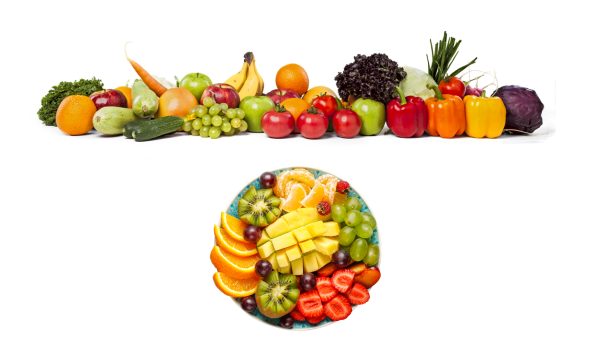
- Fresh fruit
- Unsalted nuts
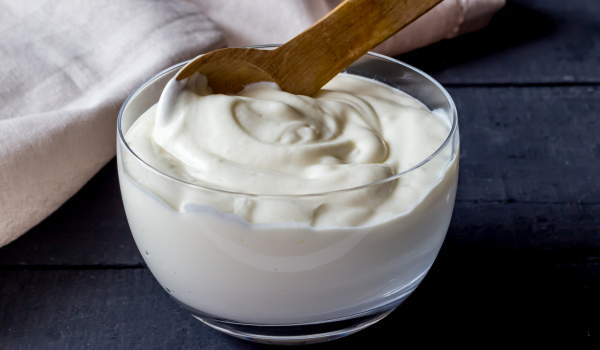
- Plain or low-sugar yogurt
- Air-popped popcorn
- Vegetables with hummus
- Whole-grain crackers
Nuts are particularly useful because they provide unsaturated fats, fiber, and plant-based protein.
The goal isn’t necessarily to eliminate evening snacks. Instead, choose nutrient-dense foods when you actually need something to eat.
3. Unwind Before Bed
Chronic stress can indirectly make cholesterol management more difficult.
When stress builds up, you may be more likely to overeat, exercise less, sleep poorly, or rely on highly processed convenience foods.
Creating a relaxing evening routine may help you transition from a busy day into a better night's sleep.
Even 10–20 minutes of intentional relaxation can be worthwhile.
Simple Ways To Relax
Consider activities such as:
- Reading
- Gentle stretching
- Yoga
- Journaling
- Meditation
- Deep breathing
- Taking a warm shower or bath
- Listening to relaxing music
Choose something you actually enjoy. A simple routine you can maintain consistently is usually better than an elaborate one you rarely follow.
4. Prioritize Quality Sleep
Sleep is an important but sometimes overlooked part of cardiovascular health.
Poor or insufficient sleep has been associated with cardiovascular risk factors, including unfavorable cholesterol and triglyceride levels.
Lack of sleep can also affect hormones involved in appetite regulation, potentially increasing hunger and cravings the following day.
Most adults should aim for approximately seven to nine hours of sleep each night.
Create a Consistent Sleep Schedule
Try going to bed and waking up at roughly the same times every day.
A consistent schedule supports your body's internal clock and may make it easier to fall asleep and wake up naturally.
Improve Your Sleep Environment
For better sleep, aim for a bedroom that is:
- Cool
- Dark
- Quiet
- Comfortable
Reducing screen exposure before bedtime may also help. Phones, televisions, tablets, and computers can make it harder for some people to wind down.
Consider limiting caffeine later in the day as well, especially if you're sensitive to its stimulating effects.
5. Spend a Few Minutes Meal Prepping
Healthy meal preparation doesn't require spending hours in the kitchen.
Even five or 10 minutes after dinner can make healthier food choices easier the following day.
When you don't have a plan, busy schedules can make fast food, restaurant meals, and packaged convenience foods more appealing. These foods are often higher in saturated fat, sodium, added sugar, and calories.
Simple Things To Prepare at Night
Consider:
- Packing tomorrow's lunch
- Washing and portioning fruit
- Chopping vegetables
- Preparing overnight oats
- Portioning nuts for snacks
- Cooking whole grains
- Planning tomorrow's dinner
- Preparing breakfast ingredients
Having nutritious foods ready can reduce the temptation to choose less nutritious options when you're hungry or short on time.
Include More Cholesterol-Friendly Foods
Meal preparation is also an opportunity to intentionally include foods that may support healthier cholesterol levels.
Soluble Fiber
Soluble fiber can reduce cholesterol absorption in the digestive system.
Good sources include:
- Oats
- Barley
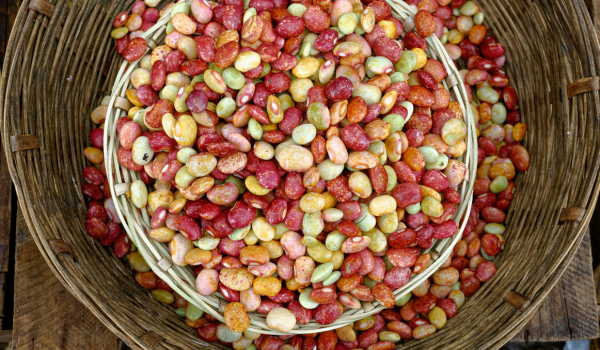
- Beans
- Lentils
- Apples
- Chia seeds
- Flaxseeds
Increase fiber gradually, especially if your current diet is relatively low in fiber.
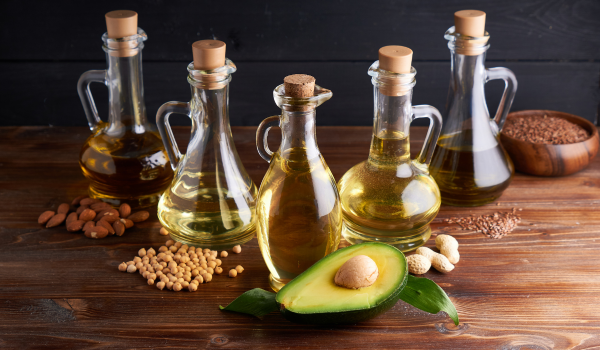
Unsaturated Fats
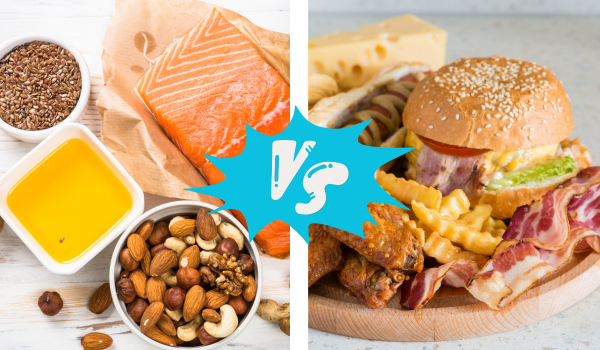
Replacing saturated fats with monounsaturated and polyunsaturated fats can help support healthier LDL cholesterol levels.
Good sources include:
- Extra-virgin olive oil
- Avocados
- Nuts
- Seeds
- Fatty fish
Rather than simply adding more fat to your diet, use these foods to replace sources that are higher in saturated fat.
Other Ways To Help Lower Cholesterol
After-dinner habits can contribute to better heart health, but they're most effective when combined with healthy choices throughout the day.
Eat More Soluble Fiber
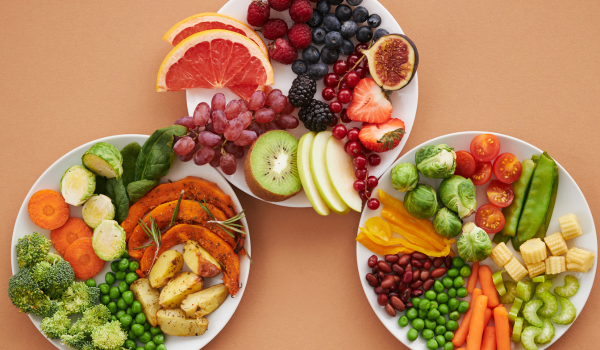
Regularly include oats, beans, lentils, fruits, chia seeds, flaxseeds, and other fiber-rich foods in your diet.
Choose Healthier Fats
Replace some saturated fats with foods rich in unsaturated fats, including olive oil, avocado, nuts, seeds, and fish.
Limit Saturated Fat
Foods worth limiting include:
- Fatty meats
- Processed meats
- Butter
- Full-fat dairy products
- Coconut and palm oils
- Fried foods
- Highly processed baked goods
You don't necessarily need to eliminate every source of saturated fat. What matters most is your overall dietary pattern.
Stay Physically Active
Aim for at least 150 minutes of moderate-intensity aerobic exercise each week.
Adults should also include muscle-strengthening activities on at least two days per week.
Walking, swimming, cycling, and dancing are all practical ways to increase activity.
Avoid Smoking
Smoking damages blood vessels and significantly increases cardiovascular disease risk. Avoiding tobacco is one of the most important steps for protecting long-term heart health.
Be Mindful of Alcohol
Excessive alcohol intake can raise triglyceride levels and contribute to other health problems.
If you drink alcohol, keep your intake moderate and discuss what's appropriate for you with a healthcare professional if necessary.
When To Have Your Cholesterol Checked
High cholesterol typically doesn't cause obvious symptoms. A blood test is the most reliable way to know whether your cholesterol levels are within a healthy range.
A standard lipid panel usually measures:
- Total cholesterol
- LDL cholesterol
- HDL cholesterol
- Triglycerides
How often you should be tested depends on your age, previous results, family history, medications, and cardiovascular risk factors.
Your healthcare provider can recommend an appropriate screening schedule.
The Bottom Line
Small changes to your after-dinner routine can contribute to better cholesterol and cardiovascular health over time.
Start with manageable habits: take a 10-to-20-minute walk, avoid unnecessary processed snacks, spend a few minutes relaxing, prioritize seven to nine hours of sleep, and prepare nutritious foods for the following day.
Combine these habits with regular exercise and a diet rich in soluble fiber, vegetables, fruits, whole grains, nuts, seeds, fish, and unsaturated fats.
Lifestyle changes can make a meaningful difference, but they aren't always enough to control high cholesterol. If your cholesterol remains elevated, talk with a healthcare provider about whether additional treatment is appropriate.
.png)
.png)
.png)
.png)
.png)

.png)
.png)
.png)
.png)
.png)
.png)
.png)
.png)
.png)
.png)


.png)
.png)
.png)
.png)
.png)
.png)