
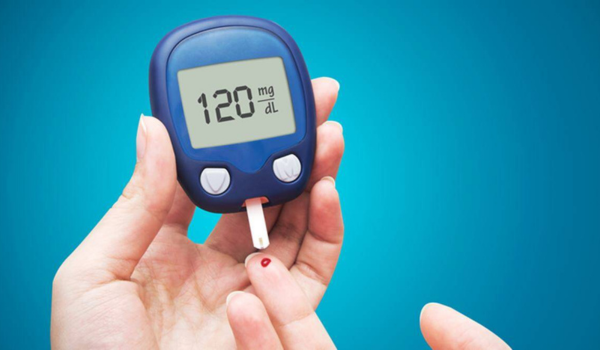
Blood sugar levels naturally rise and fall throughout the day, but certain everyday habits can cause unnecessary spikes that place extra strain on your body. Over time, repeated blood sugar spikes may increase the risk of insulin resistance, type 2 diabetes, heart disease, and other metabolic conditions.
The good news is that many of these habits are easy to recognize and change. Here are 10 common daily behaviors that may be raising your blood sugar—and what you can do instead.
1. Drinking Sugary Beverages
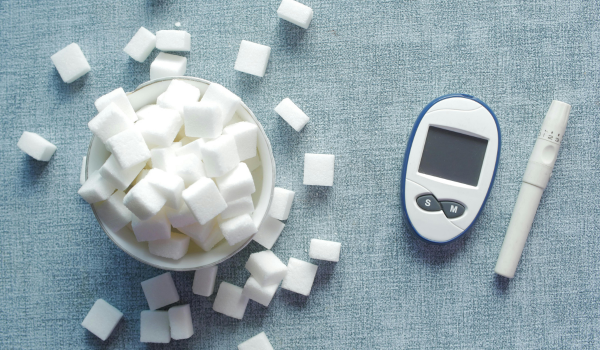
Sugary drinks are one of the fastest ways to increase blood sugar because liquid sugar is absorbed rapidly into the bloodstream. Regular consumption of soft drinks, sweetened coffee, fruit juices, chocolate milk, and sports drinks has been linked to a greater risk of developing type 2 diabetes and metabolic syndrome.
Better Habit
Choose water as your primary beverage. Unsweetened tea, sparkling water, or coffee with little to no added sugar are healthier alternatives that help support stable blood sugar.
2. Skipping Meals
Many people skip breakfast or delay meals to save time or lose weight. Unfortunately, going too long without eating may trigger the release of stored glucose and stress hormones like cortisol, causing blood sugar levels to rise.
Skipping meals also increases the likelihood of overeating later, resulting in even larger blood sugar spikes after lunch or dinner.
Better Habit
Eat balanced meals at consistent times throughout the day. Starting your morning with a nutritious breakfast may help improve blood sugar control for the rest of the day.
3. Not Eating Enough Protein And Fiber
Carbohydrates digest quickly, but protein and fiber slow digestion and reduce the speed at which glucose enters the bloodstream.
Research has shown that eating protein and vegetables before carbohydrates can significantly reduce blood sugar spikes after meals.
Better Habit
Include lean protein sources such as chicken, fish, tofu, eggs, or beans alongside fiber-rich vegetables, fruits, legumes, and whole grains at every meal.
4. Eating Fast Food Frequently
Fast food meals are often high in refined carbohydrates, unhealthy fats, sodium, and calories. These foods digest rapidly and may cause dramatic increases in blood sugar.
People who prepare meals at home more often generally have a lower risk of obesity and type 2 diabetes.
Better Habit
Cook more meals at home using whole-food ingredients, including lean proteins, healthy fats, vegetables, and whole grains.
5. Living A Sedentary Lifestyle
Sitting for long periods reduces insulin sensitivity and makes it harder for your body to regulate blood sugar effectively.
Even light movement after meals can improve glucose control and reduce post-meal blood sugar spikes.
Better Habit
Aim for at least 150 minutes of moderate-intensity exercise each week, along with two sessions of strength training. A simple 10-minute walk after meals can also make a meaningful difference.
6. Living With Constant Stress
Stress activates hormones such as cortisol and adrenaline, which increase blood glucose to prepare the body for a "fight or flight" response.
Chronic stress may also increase appetite and cravings for sugary, high-calorie foods.
Better Habit
Practice stress management techniques such as meditation, deep breathing, walking outdoors, journaling, or yoga to help regulate both your mood and blood sugar.
7. Drinking Sugary Coffee Or Energy Drinks
Many specialty coffee drinks and energy beverages contain surprisingly high amounts of added sugar.
For example:
- A Grande White Chocolate Mocha may contain around 46 grams of added sugar.
- A 16-ounce energy drink may contain more than 60 grams of sugar.
Drinking these beverages on an empty stomach may lead to even greater blood sugar spikes.
Better Habit
Reduce added sugar in coffee whenever possible. Pair your morning coffee with a breakfast that includes protein and fiber to help stabilize blood sugar.
8. Not Drinking Enough Water
Dehydration makes blood sugar more concentrated because there is less fluid circulating in the bloodstream. It may also increase hormones that interfere with normal glucose regulation.
Even mild dehydration can negatively affect blood sugar control.
Better Habit
Drink water consistently throughout the day instead of waiting until you feel thirsty. Staying hydrated supports healthy metabolism and overall wellness.
9. Not Getting Enough Sleep
Poor sleep affects hormones that regulate hunger, insulin sensitivity, and glucose metabolism.
People who regularly sleep too little often experience higher fasting blood sugar levels, stronger cravings for sugary foods, and increased insulin resistance.
Better Habit
Aim for at least seven hours of quality sleep every night. If sleep problems continue, consult a healthcare provider or sleep specialist.
10. Experiencing The Dawn Phenomenon
Many people naturally experience a rise in blood sugar during the early morning hours. This is known as the dawn phenomenon.
Hormones released before waking help prepare the body for the day by increasing glucose production. For individuals with insulin resistance or diabetes, this natural response may lead to higher-than-normal morning blood sugar.
Better Habit
Monitor your morning blood sugar if recommended by your healthcare provider. Maintaining healthy eating habits, regular exercise, and taking medications as prescribed can help manage this effect.
How To Lower High Blood Sugar Naturally
If you frequently experience high blood sugar, it's important to identify the underlying cause and consult a healthcare professional.
Several lifestyle changes can help improve blood sugar control over time, including:
- Reduce added sugars and refined carbohydrates.
- Eat balanced meals rich in protein and fiber.
- Stay physically active every day.
- Drink enough water.
- Get at least seven hours of sleep nightly.
- Manage stress through healthy relaxation techniques.
- Maintain a healthy body weight.
- Follow your healthcare provider's treatment plan if you have diabetes.
Final Thoughts
Small daily habits can have a surprisingly large impact on your blood sugar levels. While occasional spikes are normal, frequent and prolonged increases may contribute to long-term health problems.
By making healthier food choices, staying active, sleeping well, managing stress, and staying hydrated, you can help maintain more stable blood sugar and support your overall health for years to come.

.png)


















.png)
.png)
.png)
.png)


.png)
.png)
.png)
.png)
.png)
.png)
.png)
.png)
.png)
.png)




.png)
.png)
.png)
.png)
.png)
.png)

