

Healthy eating often feels confusing, especially with so many diets, trends, and conflicting advice available today. For beginners, understanding what truly matters can make a big difference. At the core of good nutrition is a simple concept: balance.
A balanced diet is not about strict rules or eliminating entire food groups. Instead, it focuses on providing the body with the right combination of nutrients to function effectively. When meals are balanced, they support energy levels, digestion, and long-term health.
Learning what a balanced diet is and how to apply it in everyday life can help you build sustainable eating habits that support overall well-being.
What A Balanced Diet Really Means
A balanced diet refers to eating a variety of foods in the right proportions to provide essential nutrients the body needs.
including all major nutrient groups
A balanced diet includes carbohydrates, proteins, fats, vitamins, and minerals. Each of these plays a unique role in supporting body functions.
Carbohydrates provide energy, proteins support growth and repair, and fats help with energy storage and nutrient absorption.
variety and moderation
Rather than focusing on a single type of food, a balanced diet emphasizes variety. Eating different foods ensures a broader range of nutrients.
Moderation is also important, as both too much and too little of certain nutrients can affect health.
The Key Components Of A Balanced Diet
Understanding the main components of a balanced diet helps make meal planning easier.
carbohydrates for energy
Carbohydrates are the body’s primary source of energy. Whole grains, fruits, and vegetables provide complex carbohydrates that support steady energy levels.
Choosing whole food sources helps maintain balance.
proteins for repair and growth
Proteins are essential for building and repairing tissues. They also support muscle health and various bodily functions.
Sources include fish, poultry, eggs, legumes, and dairy products.
healthy fats for essential functions
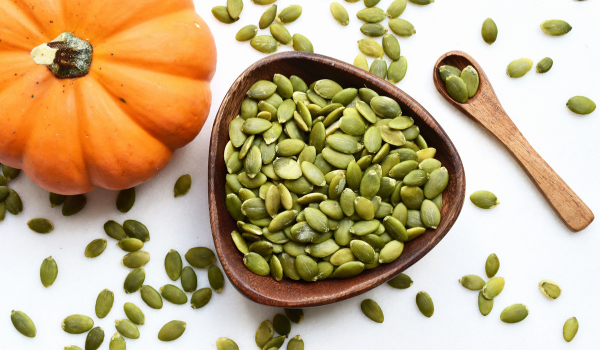
Fats are important for hormone production, brain function, and nutrient absorption. Healthy fats can be found in foods such as olive oil, nuts, seeds, and fatty fish.
Including moderate amounts of healthy fats supports overall health.
vitamins and minerals for regulation
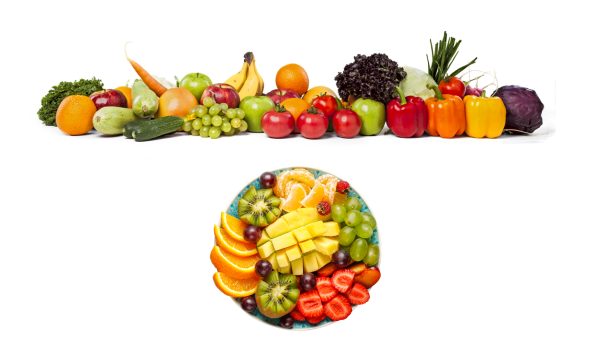
Micronutrients support immune function, bone health, and metabolic processes. Fruits and vegetables are rich sources of these nutrients.
A colorful variety of produce helps ensure adequate intake.
How To Build A Balanced Meal
Creating balanced meals does not require complicated calculations.
the plate method
A simple way to build a balanced meal is by dividing your plate into sections. Half of the plate can be filled with vegetables and fruits, one quarter with protein, and one quarter with whole grains.
Adding a small portion of healthy fats completes the meal.
combining food groups
Including multiple food groups in each meal helps provide a range of nutrients.
For example, a meal with grilled chicken, vegetables, whole grains, and olive oil offers a balanced combination.
Benefits Of Following A Balanced Diet
A balanced diet supports both short-term and long-term health.
steady energy levels
Balanced meals help maintain consistent energy throughout the day. This reduces fatigue and improves productivity.
supporting overall health
Providing the body with essential nutrients supports organ function, immune response, and overall well-being.
reducing the risk of nutrient deficiencies
Eating a variety of foods helps ensure that the body receives all necessary nutrients.
Common Misconceptions About Balanced Eating
There are several misunderstandings about what a balanced diet involves.
it does not mean strict eating
A balanced diet allows flexibility and does not require strict rules or elimination of foods.
it is not only about portion control
While portions are important, the quality and variety of foods also matter.
it is not a short-term plan
Balanced eating is a long-term approach rather than a temporary diet.
Practical Tips For Beginners
Starting a balanced diet can be simple with a few practical steps.
start with small changes
Adding more vegetables or choosing whole grains instead of refined grains can improve meal quality.
plan meals ahead
Planning helps ensure that balanced options are available and reduces reliance on less nutritious foods.
stay consistent
Consistency is key to building long-term habits.
Common Mistakes To Avoid
Being aware of common pitfalls can help maintain balance.
skipping meals
Skipping meals can lead to low energy and overeating later.
focusing on one nutrient
Overemphasizing a single nutrient can lead to imbalance.
relying on processed foods
Processed foods may lack essential nutrients needed for a balanced diet.
Conclusion
A balanced diet is the foundation of healthy eating, providing the body with the nutrients it needs to function effectively. By including a variety of foods, maintaining moderation, and building balanced meals, you can support both your daily energy and long-term health.
For beginners, the key is to start with simple changes and build consistent habits over time. A balanced approach to nutrition is sustainable, flexible, and effective.
Take your first step toward healthier eating today and explore more nutrition insights on Health365s to continue building a healthier lifestyle.

.png)


















.png)
.png)
.png)
.png)

.png)
.png)
.png)
.png)
.png)
.png)
.png)
.png)
.png)
.png)




.png)
.png)
.png)
.png)
.png)
.png)

