
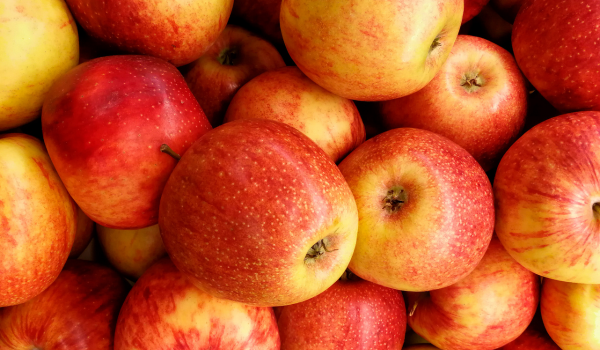
The phrase “an apple a day keeps the doctor away” may have some truth when it comes to heart health. Apples contain fiber, vitamins, and plant compounds that may support healthy blood pressure and cardiovascular function.
Heart disease remains one of the leading causes of death worldwide, and high blood pressure is a major contributing factor. Regularly eating nutrient-rich foods such as apples may help support heart health by improving blood vessel function, lowering inflammation, and supporting healthy cholesterol and blood sugar levels.
Apples May Help Relax Blood Vessels
High blood pressure occurs when the force of blood pushing against the walls of blood vessels becomes too strong.
Apples contain plant compounds known as polyphenols. Some of these compounds may help blood vessels relax and widen, which can support healthier blood pressure levels.
Research has found that people who eat apples regularly may have lower risks of certain health problems. In some observational studies, individuals who consumed apples several times per week had a lower risk of death from cardiovascular causes.
Another study observed that consuming apples daily for several weeks improved the ability of blood vessels to expand in individuals with high cholesterol. Although the improvement in blood vessel function was measurable, it was not strong enough to significantly change blood pressure levels during the study period.
Apples Can Help Protect Blood Vessel Cells From Damage
Apples contain vitamin C and other antioxidants that help protect cells from damage.
Daily exposure to environmental factors such as pollution, sunlight, smoking, infections, and metabolic processes can generate unstable molecules known as free radicals. These molecules may damage cells and contribute to chronic diseases.
The inner lining of blood vessels contains specialized cells called endothelial cells. These cells help regulate blood pressure by controlling the release of compounds that influence blood vessel relaxation and contraction.
When endothelial cells become damaged, their ability to regulate blood pressure may decline. Antioxidants and polyphenols found in apples may help protect these cells and support healthy vascular function.
Apples May Help Lower Inflammation
Chronic inflammation can damage blood vessels and increase the risk of cardiovascular disease.
Polyphenols in apples have antioxidant and anti-inflammatory properties that may help reduce inflammation throughout the body.
Some research has found that regularly consuming apples may increase the body’s antioxidant capacity and reduce inflammatory markers. These effects may contribute to better cardiovascular health.
Scientists believe that compounds such as flavonoids, pectin, and other phytochemicals in apples work together to reduce oxidative stress and support blood vessel health.
Apples Can Help Improve Blood Lipids
Apples contain soluble fiber known as pectin, which may help improve cholesterol levels.
Soluble fiber acts somewhat like a sponge in the digestive system. It binds to cholesterol in the digestive tract and helps remove it from the body before it enters the bloodstream.
Lowering low-density lipoprotein cholesterol, often called “bad cholesterol,” can help reduce the risk of heart disease.
Studies have shown that regularly eating apples may help lower low-density lipoprotein cholesterol while increasing high-density lipoprotein cholesterol, often called “good cholesterol.”
Apples Can Help Control Blood Sugar
High blood sugar and diabetes are major risk factors for cardiovascular disease.
Apples contain soluble fiber that slows digestion and helps regulate the absorption of carbohydrates. This slower digestion allows blood sugar levels to rise more gradually after meals.
Pectin, the soluble fiber found in apples, forms a gel-like substance in the digestive system. This process slows carbohydrate digestion and helps prevent sudden spikes in blood sugar levels.
Apples also provide insoluble fiber, which supports regular digestion and helps maintain gut health.
Together, these fiber types may help reduce insulin resistance and support healthier metabolic function.
Nutritional Breakdown Of Apples
Apples provide carbohydrates, fiber, vitamin C, and a wide range of beneficial plant compounds.
A small apple with the skin contains approximately:
-
Calories: About 78
-
Protein: About 0.3 grams
-
Carbohydrates: Around 21 grams
-
Natural sugars: About 15 grams
-
Fiber: About 3.5 grams
-
Vitamin C: Around 7 percent of the daily recommended intake
Apples are especially valued for their fiber content. Most adults need between 22 and 34 grams of fiber each day depending on age and sex.
Eating an apple with its skin can provide roughly 10 to 16 percent of the daily recommended fiber intake.
Apples are also rich in polyphenols. These plant compounds help protect cells from damage, support immune function, reduce inflammation, and help defend the body against infections.
Peel Or Not Peel The Skin?
Some people remove apple skins because of texture preferences, concerns about pesticides, or digestive sensitivity.
However, much of the fiber and many of the polyphenols in apples are concentrated in the peel.
Eating apples with their skin can nearly double the fiber content compared with peeled apples.
Instead of peeling apples, washing them thoroughly under running water may help reduce pesticide residue. Some people also soak apples briefly in water mixed with baking soda to help remove surface residues.
Organic apples are grown without synthetic pesticides or fertilizers and may be another option for those concerned about chemical exposure.
How To Add More Apples To Your Diet
Apples are versatile and can be incorporated into many different meals and snacks.
Use Applesauce In Baking
Applesauce can replace eggs in baked goods such as muffins, cakes, and cookies. About one quarter cup of applesauce can substitute for one egg.
Pair Apples With Nut Butter
Apple slices spread with peanut butter or almond butter provide a balanced snack with fiber, healthy fats, and protein.
Add Apples To Oatmeal
Chopped apples add natural sweetness and texture to oatmeal.
Include Apples In Trail Mix
Dried apple slices can be combined with nuts and seeds to make a nutritious snack mix.
Add Apples To Salads
Both sweet and tart apples can add crunch and flavor to salads.
Blend Apples Into Smoothies
Fresh or frozen apples can be blended with yogurt, milk, or plant-based beverages to create smoothies.
Bake Stuffed Apples
Apples can be hollowed out and filled with mixtures such as granola, cinnamon, and honey before baking.
Roast Apples With Vegetables Or Meat
Roasted apples pair well with root vegetables and can also add natural sweetness to savory dishes.
While apples themselves are nutritious, it may be best to limit highly processed apple products such as sugary juices and jams. These products often contain added sugars and lack the fiber found in whole apples.
Apple juice may also interfere with certain medications used to treat high blood pressure, such as atenolol. If you take blood pressure medication, it may be helpful to separate medication timing from juice consumption.
















.png)
.png)
.png)
.png)


.png)
.png)
.png)
.png)
.png)
.png)
.png)
.png)
.png)
.png)




.png)
.png)
.png)
.png)
.png)
.png)
.png)
.png)

