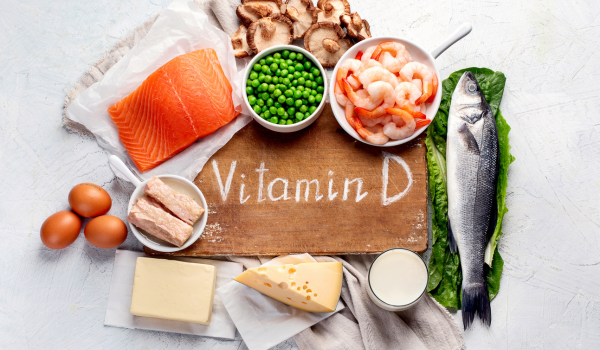
Vitamin D deficiency is very common worldwide. Some research estimates that around one in five adults in the United States does not get enough vitamin D. This nutrient is essential for maintaining bone strength and supporting proper nerve, muscle, and immune system function.
While vitamin D supplements are widely used, many people can improve their vitamin D intake through diet and regular sunlight exposure. Sunlight helps the body produce vitamin D naturally when ultraviolet rays interact with the skin.
For most adults, the recommended daily intake of vitamin D is about 600 international units per day. After age 71, the recommended intake increases to approximately 800 international units per day. Several foods naturally contain vitamin D or are fortified with it, making them helpful additions to a balanced diet.
Fatty Fish
Fatty fish are among the richest natural food sources of vitamin D. Examples include salmon, mackerel, sardines, and trout. These fish contain vitamin D3, the form of vitamin D that the body can absorb and use most effectively.
A three-ounce serving of rainbow trout contains approximately 645 international units of vitamin D. Sockeye salmon provides about 570 international units in the same serving size.
Canned fish options such as tuna or salmon are convenient and affordable sources of vitamin D. They can be easily incorporated into meals by adding them to salads, sandwiches, pasta dishes, or homemade fish patties.
Egg Yolks
Egg yolks contain vitamin D3, although in smaller amounts compared with fatty fish. One large egg provides roughly 40 to 45 international units of vitamin D.
Eggs are versatile and can be included in many meals. Omelets, scrambled eggs, fried rice, and baked dishes all provide easy ways to increase egg consumption.
Dishes that highlight egg yolks, such as deviled eggs, may offer slightly higher vitamin D intake. Some people choose to substitute ingredients such as Greek yogurt for mayonnaise in these recipes to increase protein content while maintaining flavor.
UV-Exposed Mushrooms
Most plant-based foods naturally contain little or no vitamin D. However, certain mushrooms can provide vitamin D when they are exposed to ultraviolet light during production.
Half a cup of sliced white mushrooms that have been exposed to ultraviolet light may provide more than 300 international units of vitamin D.
Mushrooms contain a compound called ergosterol. When exposed to ultraviolet light, this compound converts into vitamin D2 in a process similar to how sunlight stimulates vitamin D production in human skin.
Mushrooms can be roasted, sautéed, or added to soups, pasta dishes, and risotto. Because vitamin D is a fat-soluble nutrient, pairing mushrooms with healthy fats such as olive oil, avocado, or nuts may improve absorption.
Fortified Dairy Products And Plant Milks
Many dairy products are fortified with vitamin D to help increase dietary intake. Milk and yogurt are common examples of fortified dairy foods.
A cup of fortified reduced-fat milk typically provides around 120 international units of vitamin D.
Plant-based milk alternatives such as soy milk, almond milk, and oat milk are often fortified as well. These products may contain between 100 and 140 international units of vitamin D per cup, depending on the brand.
Fortified dairy and plant-based milks can be consumed on their own or added to smoothies, coffee, oatmeal, and cereal.
Fortified Breakfast Cereals
Many breakfast cereals are enriched with vitamin D during manufacturing. Although the exact amount varies by brand, a typical serving often contains about 80 international units of vitamin D.
Fortified cereals can help increase vitamin D intake, particularly for individuals who may not regularly eat fish, eggs, or mushrooms.
However, some cereals contain high amounts of added sugar or refined grains. Choosing whole-grain cereals with lower sugar content can provide a healthier option while still contributing to vitamin D intake.
Cod Liver Oil
Cod liver oil is one of the most concentrated dietary sources of vitamin D. A single teaspoon can provide more than the recommended daily intake for many adults.
In addition to vitamin D, cod liver oil also contains omega-3 fatty acids and vitamin A, which support immune health, brain function, and eye health.
Although cod liver oil can be beneficial, it should be used carefully because high doses of vitamin A may become harmful if consumed in excess.
When You Might Need A Vitamin D Supplement
Many individuals can maintain adequate vitamin D levels through a combination of diet and moderate sunlight exposure. Spending time outdoors regularly allows the body to produce vitamin D naturally.
However, some people may still require vitamin D supplementation.
Individuals who live in regions with limited sunlight, spend most of their time indoors, or have darker skin may produce less vitamin D from sun exposure. People who follow strict vegan diets may also have difficulty obtaining sufficient vitamin D from food alone.
Vitamin D deficiency often develops without noticeable symptoms. When symptoms do occur, they may include muscle weakness, bone pain, and fatigue.
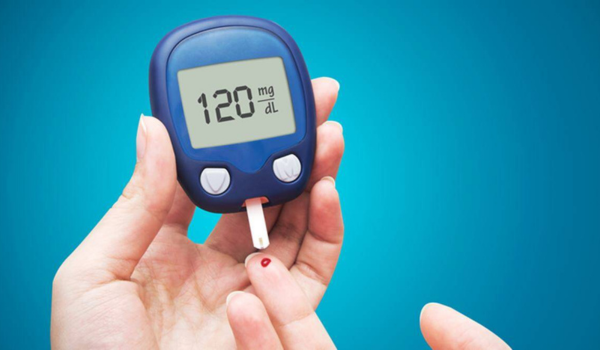
A simple blood test can measure vitamin D levels and determine whether supplementation is necessary.
Before starting vitamin D supplements, it is recommended to consult a healthcare professional. This helps ensure the supplement will not interact with medications or worsen existing health conditions.





.png)
.png)
.png)
.png)

.png)
.png)
.png)
.png)
.png)
.png)
.png)
.png)
.png)
.png)



.png)
.png)
.png)
.png)
.png)
.png)
.png)
.png)