
Managing weight can often feel like a cycle of strict diets, temporary results, and frustration. Many approaches focus heavily on calorie restriction or eliminating entire food groups, which can be difficult to maintain over time. The Mediterranean diet offers a different perspective by emphasizing balance, nutrient quality, and sustainable habits.
Rather than forcing rapid changes, this eating pattern supports gradual and long-term weight management. It encourages whole foods, healthy fats, and balanced meals that naturally help regulate appetite and energy intake.
Understanding how the Mediterranean diet supports weight management can help you build a healthier relationship with food while achieving more sustainable results.
How The Mediterranean Diet Supports Weight Management
The Mediterranean diet does not focus on strict calorie counting, yet it can support healthy weight management through its overall structure.
natural portion control through nutrient density
Foods commonly included in the Mediterranean diet are rich in fiber, protein, and healthy fats. These nutrients contribute to satiety, helping you feel full and satisfied after meals.
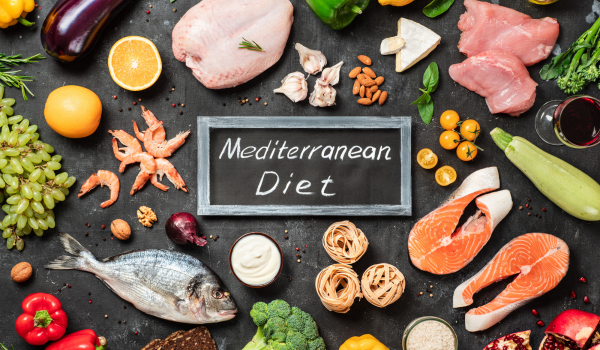
Vegetables, whole grains, legumes, and fruits provide fiber, while protein sources such as fish, poultry, and legumes help maintain fullness. Healthy fats from olive oil and nuts further enhance satiety.
This combination can naturally reduce overeating without the need for strict portion control.
balanced energy intake
Meals in the Mediterranean diet are designed to provide steady energy throughout the day. Complex carbohydrates from whole grains and legumes are digested slowly, preventing rapid spikes and drops in blood sugar levels.
Stable energy levels can reduce cravings and help maintain consistent eating patterns.
The Role Of Healthy Fats In Weight Management
One of the unique features of the Mediterranean diet is its inclusion of healthy fats.
why fats do not necessarily lead to weight gain
Healthy fats, such as those found in olive oil, nuts, seeds, and fatty fish, play an important role in satiety and overall nutrition.
These fats can help you feel satisfied for longer periods, reducing the likelihood of excessive snacking.
supporting metabolic health
Healthy fats contribute to metabolic processes and help the body absorb fat-soluble vitamins. They also enhance the flavor of meals, making healthy eating more enjoyable and sustainable.
Including moderate amounts of healthy fats can support long-term weight management.
Fiber-Rich Foods And Appetite Control
Fiber is a key component of the Mediterranean diet and plays an important role in managing appetite.
how fiber supports fullness
Fiber slows digestion and helps maintain stable blood sugar levels. This reduces hunger and prevents sudden cravings.
Foods such as vegetables, fruits, whole grains, and legumes are rich in fiber and form the foundation of the Mediterranean diet.
supporting digestive health
A diet high in fiber supports a healthy digestive system, which can influence overall metabolism and nutrient absorption.
Improved digestion contributes to better overall health and well-being.
Protein Intake And Muscle Maintenance
Protein is essential for maintaining muscle mass and supporting metabolism.
including protein in every meal
The Mediterranean diet includes a variety of protein sources such as fish, poultry, eggs, dairy, and plant-based options like legumes.
Protein helps maintain satiety and supports muscle health, which is important for metabolic function.
balancing animal and plant proteins
Combining different protein sources ensures a broader range of nutrients while maintaining balance.
Plant-based proteins also provide fiber, which adds to their overall nutritional value.
Reducing Processed Foods And Added Sugars
Limiting highly processed foods is a key aspect of the Mediterranean diet.
impact on calorie intake
Processed foods often contain added sugars, unhealthy fats, and excess calories. Reducing these foods can naturally lower overall calorie intake.
Replacing processed items with whole foods improves both nutritional quality and energy balance.
supporting long-term habits
Focusing on whole foods encourages healthier eating patterns that are easier to maintain over time.
This approach reduces reliance on restrictive dieting.
The Importance Of Lifestyle Factors
Weight management is influenced by more than just food choices. The Mediterranean lifestyle includes additional factors that support overall health.
mindful eating practices
Eating slowly and paying attention to hunger and fullness cues can help prevent overeating.
Mindful eating supports a healthier relationship with food.
regular physical activity
Daily movement, such as walking or light exercise, is an important part of the Mediterranean lifestyle.
Physical activity supports energy balance and overall fitness.
Practical Tips To Follow The Mediterranean Diet For Weight Management
Applying the principles of the Mediterranean diet can be simple with a few practical strategies.
build balanced meals
Include vegetables, whole grains, protein, and healthy fats in each meal. This combination supports satiety and balanced nutrition.
plan meals ahead
Meal planning helps ensure that healthy ingredients are available and reduces reliance on less nutritious options.
choose whole foods
Prioritize fresh and minimally processed foods to improve nutrient intake and support weight management.
monitor portion sizes
While the Mediterranean diet is flexible, being mindful of portions can help maintain balance.
Common Mistakes To Avoid
Even with a healthy diet, certain habits can reduce effectiveness.
overconsuming healthy fats
While beneficial, healthy fats are calorie-dense. Consuming them in moderation is important.
ignoring overall balance
Focusing too heavily on one food group can lead to imbalances. A varied diet ensures better nutrient intake.
expecting rapid results
The Mediterranean diet supports gradual and sustainable weight management rather than quick changes.
Conclusion
The Mediterranean diet offers a balanced and sustainable approach to weight management by focusing on nutrient-dense foods, healthy fats, and consistent habits. Its emphasis on whole foods, fiber, and protein helps regulate appetite and support long-term health.
Rather than relying on restrictive dieting, this approach encourages a healthier relationship with food and promotes gradual, lasting results.
Start incorporating Mediterranean principles into your daily meals and explore more nutrition tips on Health365s to continue building a healthier and more sustainable lifestyle.

.png)




















.png)
.png)
.png)
.png)


.png)
.png)
.png)
.png)
.png)
.png)
.png)
.png)
.png)
.png)


.png)
.png)
.png)
.png)
.png)
.png)