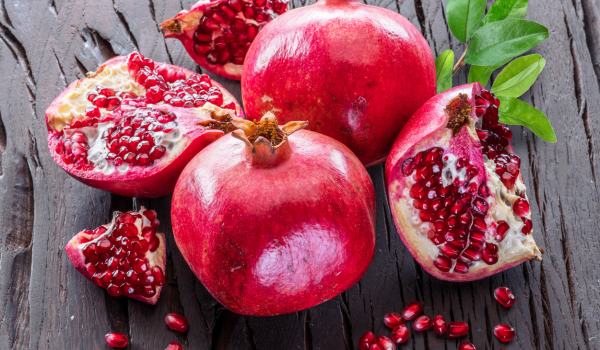
Choosing a ripe pomegranate can be easier than it looks once you know which signs matter most. The best fruit is usually heavy for its size, slightly angular, firm, and covered with tight, leathery skin.
Unlike some fruits, color alone does not always reveal how ripe or sweet a pomegranate is. Shape, weight, texture, and overall condition are often more useful when deciding which one to buy.
1. Choose A Slightly Angular Shape
A ripe pomegranate is not always perfectly round.
As the juice-filled seeds, known as arils, expand inside the fruit, they can push against the rind and create slightly flat or angular sides.
What To Look For
Choose a pomegranate that appears:
- Slightly boxy
- Angular rather than perfectly round
- Full and well-developed
- Firm on all sides
A perfectly spherical fruit may still be good, but a more angular shape can suggest that the arils inside are plump and filled with juice.
2. Pick The Heaviest Fruit For Its Size
Weight is one of the most reliable indicators of a juicy pomegranate.
Pick up several fruits of similar size and compare how heavy they feel.
Why Weight Matters
A heavier pomegranate generally contains more juice and fuller arils.
The fruit should feel:
- Dense
- Solid
- Heavy for its size
- Full rather than hollow
A pomegranate that feels unusually light may have dried-out arils or less juice inside.
3. Look For Tight, Leathery Skin
The rind should feel firm, smooth, and tightly stretched across the fruit.
Healthy pomegranate skin often has a leathery texture rather than feeling soft or flexible.
Signs Of Good Quality
Look for fruit with:
- Taut skin
- A firm surface
- Minimal wrinkling
- No soft patches
- No leaking areas
The skin may feel slightly dry, but it should not appear severely shriveled.
4. Avoid Cracks And Bruises
Inspect the entire fruit before buying it.
Small surface marks may not affect the inside, but deep cracks and significant bruising can reduce freshness and increase the risk of spoilage.
Avoid Pomegranates With
- Open cracks
- Deep cuts
- Large bruises
- Soft spots
- Leaking juice
- Visible mold
- An unpleasant or fermented smell
Some cracks may develop naturally from changes in moisture while the fruit grows, but split fruit is more exposed to bacteria, mold, and damage.
5. Do Not Rely On Color Alone
Many people assume the deepest red pomegranate is always the ripest, but rind color varies naturally.
A ripe pomegranate may be:
- Light pink
- Red
- Dark ruby
- Reddish brown
The outside color does not always match the color or sweetness of the arils inside.
What Matters More
Focus first on:
- Weight
- Firmness
- Shape
- Skin texture
- Overall condition
These signs are generally more useful than choosing the darkest red fruit.
6. Look For Even Coloring
Although color alone is not a reliable ripeness test, consistent coloring can still be a good sign.
A fruit with an even tone across the rind may have developed more uniformly.
Uneven, patchy, or unusually pale areas may suggest inconsistent ripening or damage.
Best Practice
Choose fruit with relatively even coloring, but do not reject a healthy pomegranate simply because it is not bright red.
7. Check The Crown
The crown is the flower-shaped area at the top of the pomegranate.
It should appear dry, intact, and free from mold.
Signs To Avoid
Skip fruit with a crown that is:
- Wet
- Moldy
- Soft
- Blackened
- Damaged
A dry crown usually suggests that the fruit has matured and been stored properly.
8. Gently Test The Firmness
A ripe pomegranate should feel firm when gently pressed.
It should not collapse, dent easily, or feel soft beneath the skin.
What The Texture May Mean
- Firm and dense may indicate fresh, juicy fruit.
- Soft spots may suggest bruising or decay.
- Shriveled skin may indicate moisture loss.
- A hollow or airy feel may suggest dry arils.
Avoid squeezing too hard because this can bruise the fruit.
Why Pomegranates Are Good For You
Pomegranates are rich in nutrients and plant compounds that may support overall health.
Antioxidants
Pomegranate arils and juice contain polyphenols, which help protect cells from oxidative stress.
Vitamin C
Vitamin C supports immune function, collagen production, and skin health.
Fiber
Eating the whole arils provides fiber, which supports digestion and may help you feel full.
Potassium
Potassium contributes to healthy blood pressure, muscle function, and nerve signaling.
Plant Compounds
Pomegranates contain beneficial compounds that are being studied for their potential effects on heart health and inflammation.
How To Open A Pomegranate
Pomegranates can be messy if opened incorrectly, but a simple method can make the process easier.
- Cut off the crown at the top.
- Score the rind vertically into several sections.
- Gently pull the fruit apart with your hands.
- Place the sections in a bowl of water.
- Loosen the arils with your fingers.
- Allow the arils to sink while the white membrane floats.
- Remove the membrane and drain the arils.
This method helps reduce juice splatter and makes separating the seeds easier.
Healthy Ways To Eat Pomegranate
Pomegranate arils can be eaten alone or added to many dishes.
Yogurt And Oatmeal
Sprinkle arils over yogurt, oatmeal, or overnight oats.
Salads
Add them to leafy green salads for sweetness, color, and texture.
Smoothie Bowls
Use pomegranate arils as a topping with fruit, seeds, and nuts.
Grain Bowls
Mix them into quinoa, couscous, or brown rice bowls.
Desserts
Add arils to dark chocolate, chia pudding, or fruit salads.
Drinks
Use fresh pomegranate juice in smoothies, sparkling water, or homemade dressings.
How To Store Pomegranates
Proper storage helps preserve flavor and juiciness.
Whole Pomegranates
Store whole fruit in a cool, dry place for a short period.
For longer freshness, keep it in the refrigerator.
Pomegranate Arils
Place removed arils in an airtight container and refrigerate them.
For longer storage, spread the arils on a tray, freeze them, and then transfer them to a freezer-safe container.
Discard any fruit or arils that develop mold, a fermented smell, or a slimy texture.
Final Thoughts
The juiciest pomegranates are usually heavy for their size, slightly angular, firm, and covered with tight, leathery skin. Their color can range from light pink to deep red, so color should not be the only factor you consider.
Comparing weight, checking for damage, and choosing a dense fruit with even coloring gives you the best chance of finding a sweet, juicy pomegranate every time.









.png)
.png)
.png)
.png)

.png)
.png)
.png)
.png)
.png)
.png)
.png)
.png)
.png)
.png)



.png)
.png)
.png)
.png)
.png)
.png)
.png)
.png)